• News
  • Videos
  • Adobe Premiere Tips
  • About
  • FocusPulling.com
Menu
  • News
  • Videos
  • Adobe Premiere Tips
  • About
  • FocusPulling.com

Author Description

Paul Moon
Connect on Facebook Connect on Twitter Connect on Linkedin

H. Paul Moon is a filmmaker based in New York City and Washington, D.C. whose works concentrate on the performing arts. Major films include “Sitka: A Piano Documentary” about the craftsmanship of Steinway pianos, “Quartet for the End of Time” about Olivier Messiaen’s transcendent WWII composition, and an acclaimed feature film about the life and music of American composer Samuel Barber that premiered on PBS. Moon has created music videos for numerous composers including Moondog, Susan Botti and Angélica Negrón, and three opera films set in a community garden. His film “The Passion of Scrooge” was awarded “Critic's Choice” by Opera News as a “thoroughly enjoyable film version, insightfully conceived and directed” with “first-rate and remarkably illustrative storytelling.” Further highlights include works featured in exhibitions at the Nevada Museum of Art and the City Museum of New York, PBS television broadcasts, and best of show awards in over a dozen international film festivals.

03 January 2026

My only writing advice is please, please try to sound like a human being

Written by Paul Moon

I love this piece, “Why Does A.I. Write Like… That?” which really captures a “novel form of paranoia” taking hold of many of us:

This year, I read an article in which a writer complained about A.I. tools cheapening the craft. But I could barely pay attention, because I kept encountering sentences that felt as if they’d been written by A.I. It’s becoming an increasingly wretched life. You can experience it too.

It’s a funny piece, and very helpful if you are curious what makes a piece of writing sound like a chatbot these days (whether or not it is).

But at one point in the piece, Kriss smartly points out that these “bland and predictable rhetorical move[s]” are also kind of… normal, even human?

Like: isn’t this what people mostly write and say and do: bland and predictable shit?

Even though I am a documentary film director for a living (not a professional writer), writing is a huge part of my job. Some examples from this week, not because they’re exciting, but because they are typical:

  1. I am writing a 15 page treatment for a doc I have in development;

  2. I am writing some initial outreach to someone I really want to make a documentary about in the new year;

  3. I wrote a director’s statement for another doc I’ve been “attached” to.1

  4. I did a bunch of press for Happy and You Know It — this isn’t writing per se, but I felt the writer inside of me working in real time to pitch the film to audiences;

  5. Needless to say, I wrote 9,000,000,000,000,000 emails, but we don’t need to dwell on that.

Every single one of these writing tasks requires me to be at least as good as and ideally better than A.I. Even more: I need to try really hard to not sound like a chatbot. I need there to be no doubt in the mind of the reader that the person who wrote this actually wrote this. Not for every single thing I write ever, but for a pitch or a funding proposal or important outreach? It’s like the main thing, I think, at this point…

I asked a chatbot to summarize my article for you…

There’s a book I adore by Brian Christian called The Most Human Human: What Talking with Computers Teaches Us About What It Means to Be Alive. Christian’s basic premise is that the essence of what makes us human can be found when we discover what A.I. struggles most with — spontaneity, unpredictability, situated knowledge, personal vulnerability. Yes, by now this is a familiar refrain, but he wrote this book more than 15 years ago. The more important point he makes, IMO, is how much of our lives we exalted human beings execute as automatically as machines:

Computers can only do one thing: math. Fortunately for them, a shockingly high percentage of life can be translated into math . . . What a familiarity with the construction of Turing test bots had begun to show me was that we fail – again and again – to actually be human with other humans.

(The section on pickup artists is revelatory.)

One thing I realized when I started experimenting with ChatGPT was that generating a perfectly fine director’s statement, synopsis, outreach email —was trivial. I could, with very little effort, easily meet the normal standards I see in my field. I could even ask it to write “in the voice of Penny Lane” and it like, put in some pretty good jokes. Sad, but true. I liked some of the jokes.

What this told me, and what I started to immediately implement in all my writing tasks, was that I’d better get better at sounding like a human being.

Now, this is harder than it sounds, and this is a familiar insight. I have had it many times before. I can trace it back to experiences on grant panels and hiring committees, reviewing hundreds of applications. Long before we had little AI overlords in our pockets doing Chatbot Omnispeak, we were already very good at doing it to ourselves.

Try reading 100 cover letters for the same academic job. Trust me: any little spark of personality that manages to make it through feels like a freaking miracle. Ditto for grant applications; it is absolutely deadening to read the same jargon, the same fashionable buzzwords, the same boring safe passive-voice artist statements (“My work deals in the intersection of…”), the same same sameness of it all… it is deadening.

(Please take a moment to pity anyone serving on a grant committee in this godforsaken era. My advice to those organizations is cut the word count for a grant application WAY DOWN. Those long applications are just begging to be written by a chatbot, which loves nothing more than to generate good-looking blather endlessly. We are going to need to rethink the grant application immediately!)

My only writing advice is please, please try to sound like a human being. It’s more important than ever. It’s a competitive world out there, with an endless torrent of noise (slop) you’ve got to try to cut through. And maybe it’s important just to keep our souls intact.

I know it is hard. I often struggle with sounding like a human being in writing. (I blame academia, but I’m just kidding because it’s hard for everyone.) Just getting it in the sound of my spoken voice is usually a good first step. Like, I’ll just walk around the house talking to myself until I get it.

But if you’re stuck, you could ask a friend to listen to your idea. Ask them to ask questions like, “but why?” or “I don’t follow that part, can you say that again?” and most importantly (in my line of work) “so what exactly is on the screen?” Record the conversation and look at the transcription. How you speak is going to be closer to human-sounding than writing. Writing adds another layer of abstraction.

It is so hard! I have been painstakingly hand-writing and hand-drawing an 8-page letter this week, instead of just doing the normal, sane thing which would be to write an email (and maybe let ChatGPT write it for me). If it doesn’t work, at least they’ll get something nice in the mail?

A detail from my “About Me” page. ChatGPT could never! Although I do run the risk of seeming totally deranged, so IDK. This reminds me of when I was in college and I did internship applications for the very first time. Despite knowing nothing about how to apply for a job that was not a fast food restaurant, I sought no advice, and I wrote all the cover letters in like different color markers with little drawings?? I did not get any of those jobs. A humiliating memory… but maybe I was just ahead of my time!

1

If it’s starting to sound like I have soooooo much work, well let me assure you: most of what I am describing here is not paid work and/or will never happen. I should really do a study of how much of my my one wild and precious life is spent on unpaid projects that die on the vine, but also, I’d probably rather not know.
Uncategorized Comments are off
03 January 2026

Write an artist statement (the easy way!)

Written by Paul Moon

I have done this exercise* with lots of different types of artists and filmmakers, students and veterans alike, and it always seems to bear fruit. It is best done in a group, but you can do it alone, too.

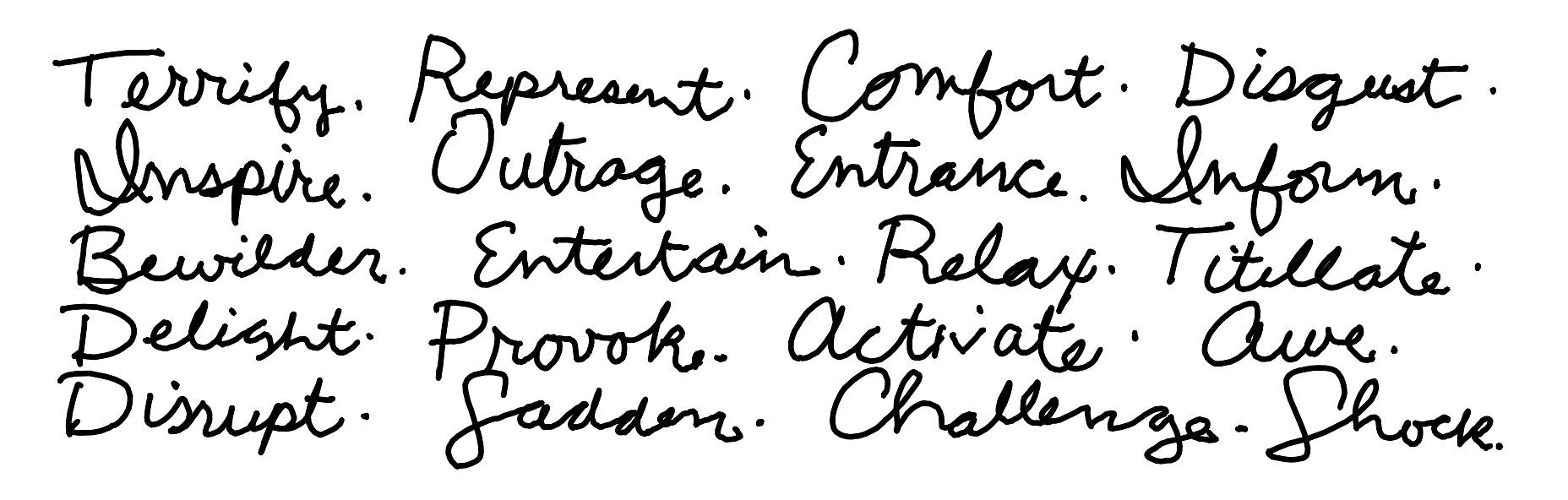
IMAGINE A LIST OF VERBS. Each verb is a way that an artist, or a given work of art, might IMPACT an audience:

In a group setting, we would brainstorm these for a while and write them all down. You want to generate a really long list, which is not hard, because it’s kind of infinite and people always come up with new verbs. In and of itself, that’s an interesting part of this experience.

Then, each person privately circles the verbs they like — for some particular work of art they’re working on right now, or more dispositionally. Circle up to 10. You can even rank them.

One thing to note: nobody’s list much resembles anyone else’s. Beginning with that mission statement — with action words relating to the effect we are trying to create — gets us quickly to the heart of our intentions.

The next level to the exercise would be to IMAGINE A TRIANGLE. Now you have Artist/Artwork, Audience and Subject. What are the action verbs you would place between all three points? How do you define those relationships? The sooner you get these highly specific active words in your mind, the less you end up with generic, passive statements like the film is about X or my work deals with Y.

The further you go with this line of thinking, the more clear it becomes that every artist truly has their own unique mission statement or raison d’être. For myself, I realized there were some verbs I always gravitated toward (“delight” and “surprise” and “provoke” are some of those). I gravitated to these words so naturally, it felt as if anyone would have the same list. But that just isn’t true. This exercise started to help me see what it is about my work that would make someone say it is characteristically “Penny Lane.” A harder task than it may seem, to really see your own work.

*I know I adapted this exercise many years ago from a book, but I can’t remember which book. If you know, tell me and I’ll update this post!

Uncategorized Comments are off
03 January 2026

Documentary Ethics in Real Life, part 2

Written by Paul Moon

This is a story about how hard basic journalism can be, making mistakes, and doing your best in a less than perfect world. It also has pretty serious ethical implications, which is how I got myself into this mess in the first place.

But first, one tiny announcement for any NYC locals: I am doing a special 10th anniversary screening of NUTS! at Nitehawk Prospect Park on Jan 6th. Jill Lepore is moderating!!! I want to do more of these special screenings in 2026, because let’s just say it was very weird to release the movie during the very beginning of the Trump Era (I feel like Nitehawk chose Jan 6th for a reason) AND ALSO it’s the 10th anniversary of the footnote project). Let me know if you’d like to host a screening in your classroom or theater or wherever!

Onto the dilemma…


I start a book and I want to make it perfect, want it to turn every color, want it to be the world. Ten pages in, I’ve already blown it, limited it, made it less, marred it. That’s very discouraging. I hate the book at that point. After a while I arrive at an accommodation: Well, it’s not the ideal, it’s not the perfect object I wanted to make, but maybe—if I go ahead and finish it anyway—I can get it right next time. Maybe I can have another chance. —Joan Didion

My film Confessions of a Good Samaritan is about altruistic kidney donation. Specifically, my own experience of doing it. The movie is loaded with ethical landmines, but only one of them caused me to change the film months after its festival premiere.

It’s an embarrassing story.


Read more

Uncategorized Comments are off
03 January 2026

Live chat with Austin Kleon

Written by Paul Moon

My first foray into live video with was the most fun! Excited to do more soon, so stay tuned on that.

Austin and I have been kind of mutual fans and loosely connected on social media for a few years, but didn’t meet until today. In this clip, we talk about one of the most important things in art is that it’s understood to be an act of communication and communion between two souls, two humans. This is something that I think gets lost a lot in artists’ fear of being replaced by AI. (I’m sharing as a kind of brief follow-up to my last newsletter.)

When I sent Austin an advanced copy of the new film, it was just that I had a hunch he’d be into it, and because I knew he and his son were into the Kenny G doc. I had no idea he was working on a book that so closely aligned with the themes of the film! In the next clip, we start out talking about Divinity Roxx, this world class bass player featured in my film. Watching this clip back, I just imagine substituting the word “people” for “kids” and yeah that still works…

In another part of the chat, I told Austin how I started making films really only because I was around little kids doing it, and I saw how much fun they were having, and how free and uninhibited they were… anyway, I am so excited to read Austin’s new book! He describes his books as kind of comics, kind of self-help, kind of just weird zines… and that’s accurate, I think, I’d just add they’re great gifts for artists and I’d add “for all ages” too.

https%3A%2F%2Fsubstack-post-media.s3.ama
Get more from Penny Lane in the Substack app
Available for iOS and Android

Get the app

Uncategorized Comments are off
03 January 2026

How to garden in winter

Written by Paul Moon

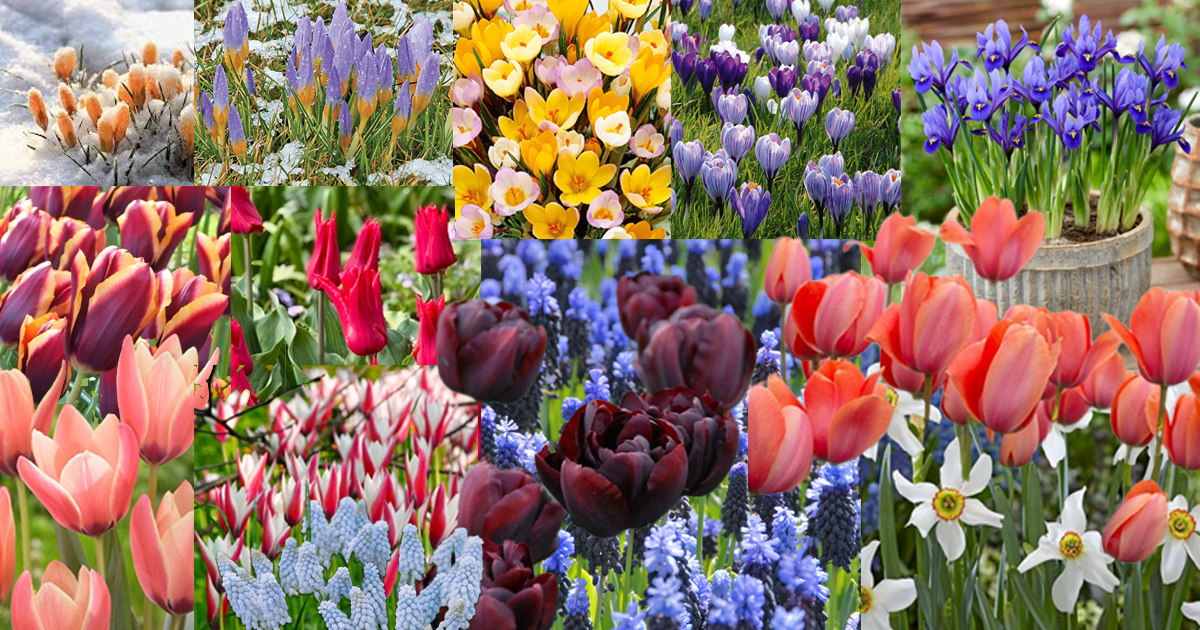
This November, before the first frost came, I planted bulbs in the garden. I planted a fair amount of bulbs. Okay, I planted 800 bulbs.

I may have taken it a bit far.

Despite many gardening years past, I never planted bulbs before. I just never got around to learning about it. But this year, I didn’t want gardening season to end, and I realized I could make gardening season start earlier next year if I planted bulbs.

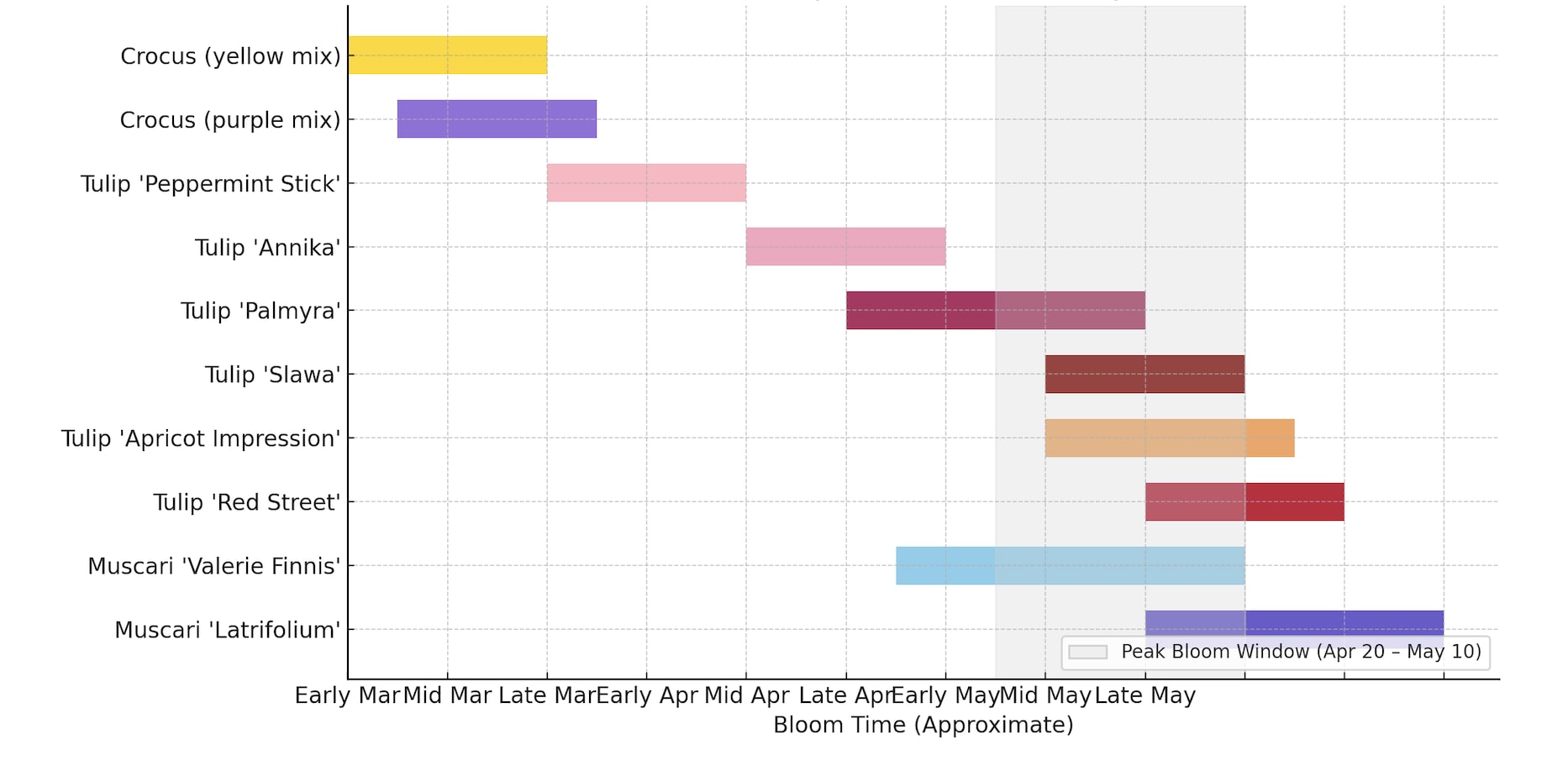
I spent weeks researching, planning, making drawings, and mooning over catalogue pictures. I labored over bloom progression and color stories (see below). I planted a bulb everywhere I could conceivably plant a bulb. Again: I planted 800 bulbs.

The other day I was asking myself, “… why live, though?” and the answer came quick and easy: because I have to see my tulips!

Sorry, is that too dark? Well, at least where I live, winter is literally dark! Perhaps you are also a winter melancholic and you might enjoy a dark winter playlist? Here is one I made called “it’s death to be alone in winter”.

I’m fine, it’s fine; it’s just winter.

Planting these bulbs changed how I think about what it means to garden in winter.

It used to be that winter came on and I’d just forget about the garden. If I thought about my garden at all, it was just to hope my perennials survived the winter and came back in the spring. (They usually do. Yet it always feels like a miracle!) I put no thought into what the plants were actually doing in winter, and how I might help them along. But the bulbs changed all that.

I learned that tulips (and all my other bulbs) don’t just “survive” winter; they have to go through the winter cycle in order to bloom. They need a real, cold winter, at least 10 weeks where the soil temperature is under 45 degrees. They stay buried in the freezing darkness of the earth, turning starches into sugars to feed the nascent flowers. This miserable cold serves a purpose by telling them what time it is.

I realized this was true of all my other plants, my perennials. They’re not just frozen in place doing nothing, or dead. It’s just the action has all moved underground.

I started to think about katabasis and anabasis again, the underworld journey structure I relied on for Confessions of a Good Samaritan. Katabasis: the hero journeys to the underworld, a downward journey into a dark, chaotic, dangerous unknown. Anabasis: the hero returns, the upward march toward the light of wisdom. Death/rebirth, down/up. You can’t have the latter without the former.

I am thinking about my plants every day now: how can I give them the protection they need to survive those chaotic depths of hell—I mean, winter? I am thinking about all of this as I move my garden containers out of the wind blast zone. As I put down a layer of cedar mulch. As I wrap them in burlap.

I am inspired by the infinite brilliance of these living things, how they know now is not the time to show off, but instead a time to put down roots and store up energy; a time for patience, introspection, and protection; a time for anticipation, tidying up and planning for the spring.

I don’t think creative lives are that different. There are seasons for output and seasons for going underground. Seasons where the work looks dormant from the outside but is quietly reorganizing itself below the surface. You don’t get to skip the winter and still expect a spring.

So if this is a cold, dark, unglamorous moment for you, in your work, your thinking, your ambitions, or just life in general: it may just be the necessary cold that tells you what time it is.

Happy New Year. May whatever you’re tending survive the winter, and surprise you when it comes back up. I can’t wait to see what you all have in store.

Uncategorized Comments are off
03 January 2026

I didn’t get into Sundance (again).

Written by Paul Moon

Subscribe now

I didn’t get into Sundance (again).

There is an unspoken rule in my world that you’re not supposed to say you didn’t get into Sundance (or whatever prestigious thing you had your heart set on), because you don’t want the stench of failure attached to your baby before it’s even born. You’re supposed to maintain the plausible deniability that you didn’t submit to Sundance and that Tribeca was the plan all along or whatever.

You are all welcome to know for sure I really, really, really wanted WILD INSIDE to premiere at Sundance. It was rejected, and I cried about it. A lot. And not for the first time. And probably not the last time.

Most likely, if you sent a film to Sundance, you are like me and you didn’t get in. It’s less than 1% who will. Truthfully: it is partially that ridiculously tiny chance of getting in that makes us want it (duh — ever heard of the scarcity principle?).

Well-meaning people will say to you, “don’t worry, it doesn’t matter.” Well, actually, if you are trying to make a living as an indie filmmaker, it does matter — quite a bit, actually. Why?

Because Sundance comes first in the 2026 calendar. Some films will start to get noticed before you, and this will matter as the year goes on. Watch how many Sundance films end up on year-end lists, win big awards, etc. They’re absolutely starting — not ending, but starting — the conversation on what are the films of the year. (Not to say this is a disaster; it’s not. My film will be a hit anyway, nobody gives me awards anyway, so who cares! It’s just now I gotta work on plan B, plan C, etc.)

Because Sundance still carries significant cachet in lots of situations, like really ALL OF THEM if we’re being honest, especially if you’re American, because even your random cousin knows to be impressed by Sundance. If you don’t think this matters to your ability to get funded, seem relevant, etc. you’re nuts. Yes this is true even if “nothing sells at Sundance anymore.” In art, it’s not just about sales; prestige and relevance matters too. (Not to say there aren’t other ways to be impressive and relevant! There are! I’ll go get ‘em! But don’t try and tell me “nobody cares about Sundance.”)

Because now I have to say no to some really great smaller festivals who want the film while I sit at home with my finished film playing the stupid premiere game. (Does the premiere game even matter anymore?)

Because all your collaborators (and definitely your funders) want a film in Sundance too. For all the above reasons. It’s a bummer to let them all down (again).

…and for a truly long list of other reasons. Long story short: it’s okay to admit that a Sundance premiere would have been a benefit to your film in the short- to medium-term. That’s the bad news.

But the good news is this: in the long term, I promise you it doesn’t matter. Nobody will remember whether you got into Sundance in two years.

In fact, when I got into Sundance for the first time in 2016 with Nuts!, the programmer introducing the premiere said I was a Sundance alum and that my previous feature Our Nixon had played there. I was stunned, because it definitely… did not.

I cried for days upon receiving that rejection, so to me it was a very memorable experience. But three years later, even Sundance thought Sundance had shown the film. What a valuable lesson that taught me!

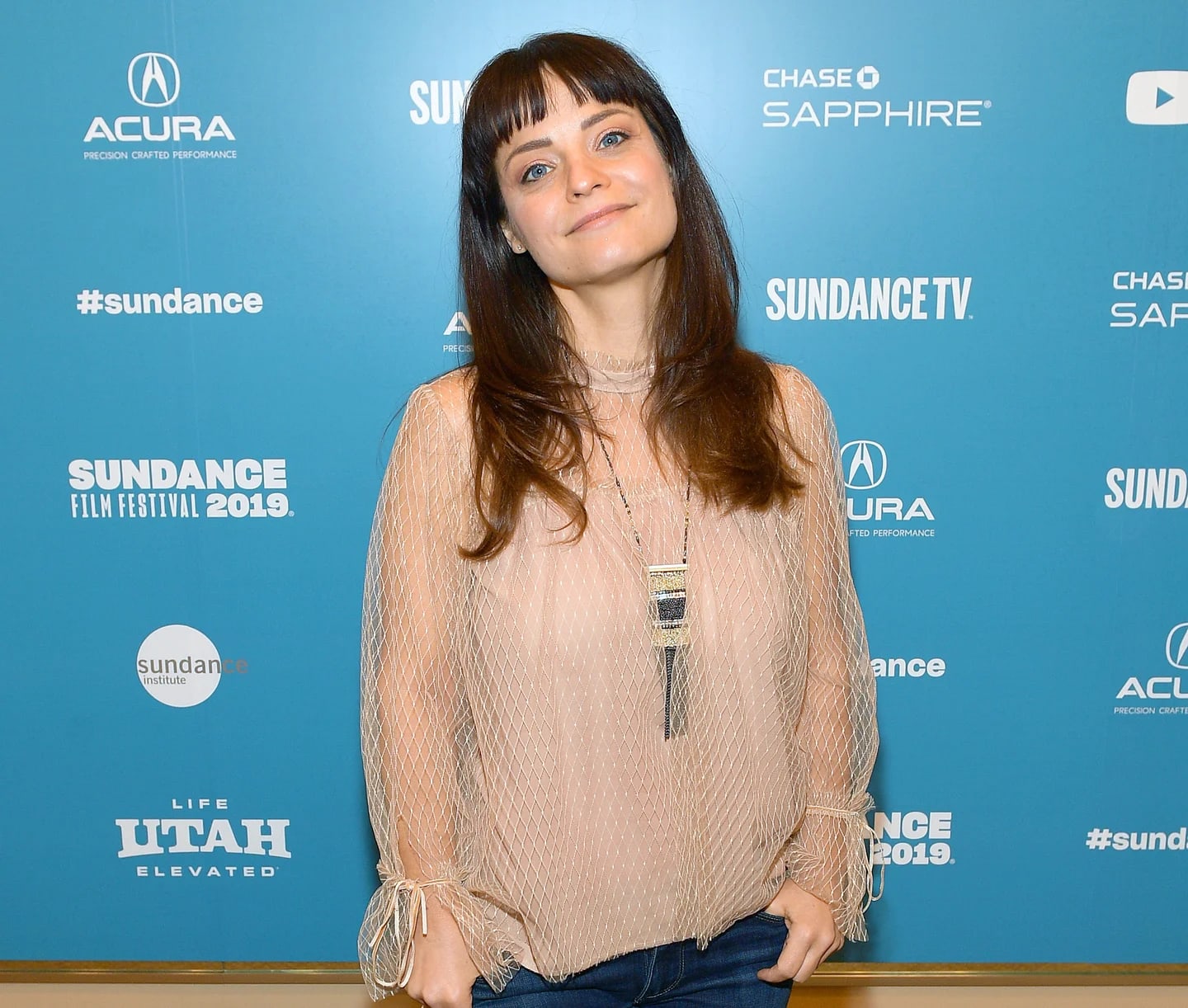
Getty Image provided to prove I was once in Sundance (actually twice —2016 and 2019). By 2019 you better believe I thought I was part of the “Sundance family” as they like to call it lol lol lol lol lol

I wrote this post because I know I am not alone, in neither my stupid Sundance rejection (again) nor my generalized fear on how I can stay afloat (I used to dream of “thriving” lol) in the film industry. I hope to share more in the coming months about how my “plan B, plan C, etc.” is working out with my Sundance-rejected movie. I think it’ll go just fine… eventually.


Thanks for reading Penny Lane Is My Real Name! Subscribe for free to receive new posts and support my work.

Uncategorized Comments are off
02 January 2026

The New Year In Documentary: Most Anticipated Of 2026

Written by Paul Moon

To begin our third year on Substack, Nonfics is looking ahead to the next 12 months and previewing our most anticipated documentaries of 2026. Last year, we named 25 films we were looking forward to, and most of them lived up to our expectations. Only six made our list of the best documentaries of 2025, but 12 of them were nominated at the Critics Choice Documentary Awards. Nine of the titles never actually wound up being released in the U.S., with three of them not even premiering anywhere last year.

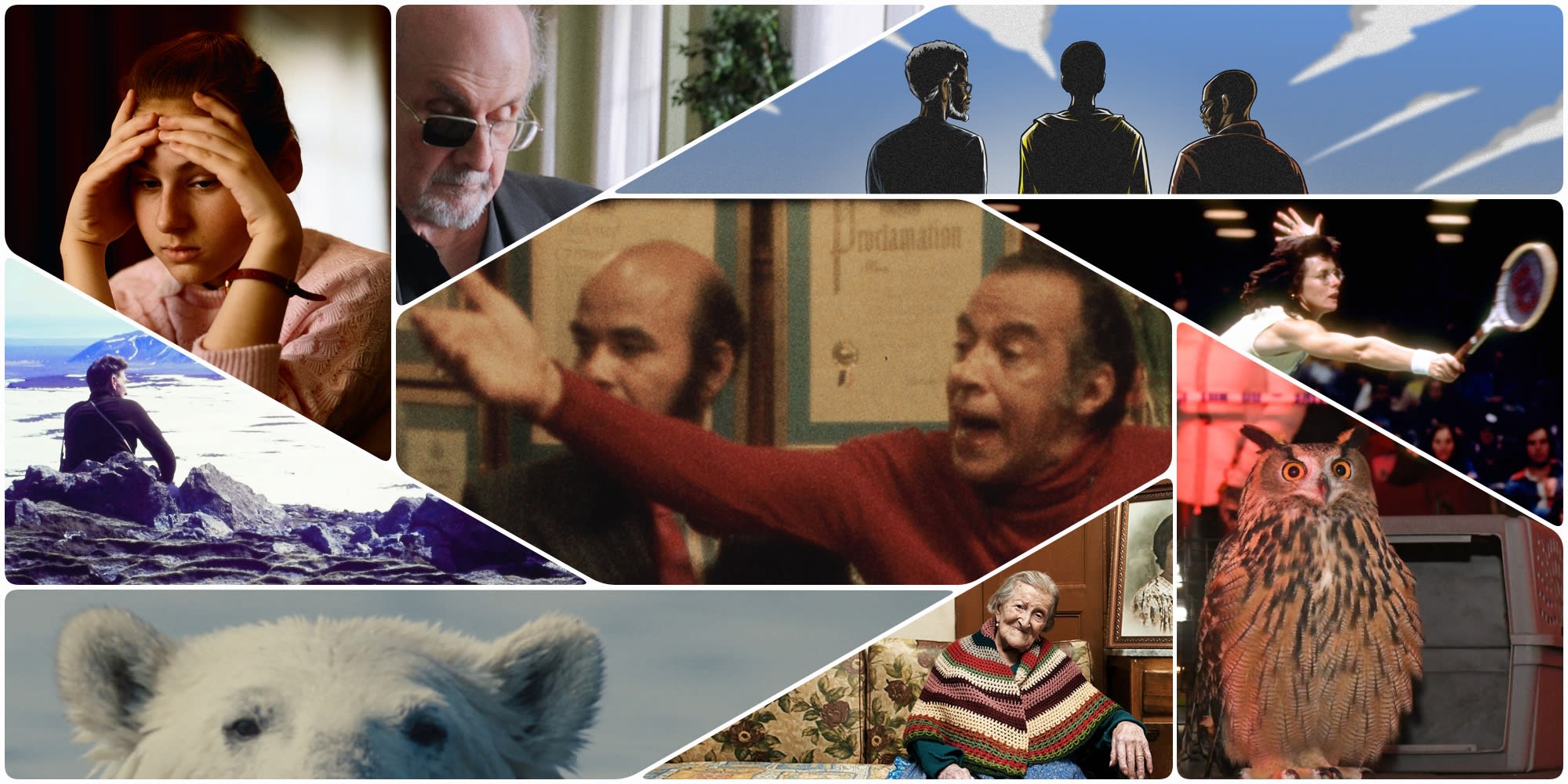
How many of this year’s most anticipated documentaries will be among the very best of 2026, come December? How many, if any, will be huge disappointments? Will they all make it to release at least? Which films are we not even aware of, or considering, or adequately estimating, that will wind up on our list of favorites at the end of the year? We’ll start to see some answers soon, as most of these debut soon, at Sundance or elsewhere. Here are 26 documentaries coming in 2026 that we can’t wait to watch:

26. Billie Eilish: Hit Me Hard And Soft – The Tour (Live In 3D)

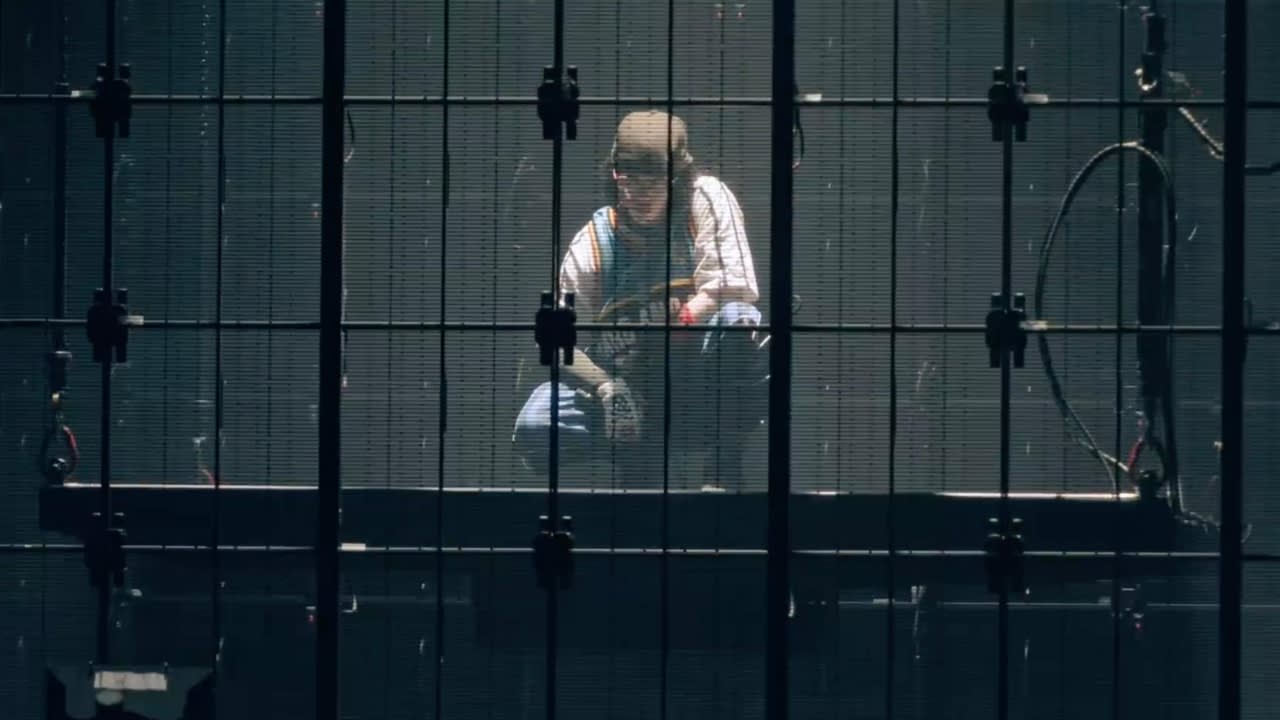
When U2 3D was released back in 2008, I thought it was the future, setting the stage for a new standard for concert films (I recognized it on my list of the best documentaries of the 2000s). While a few others followed, 3D concert films were not even a trend, let alone a game-changing advancement in cinema. But 3D movies in general failed to catch on as the norm, thanks to only James Cameron (plus Martin Scorsese, Wim Wenders, and Ang Lee, to a lesser extent) doing right by the format. Now, Cameron is finally applying his skills with 3D to a concert film. He co-directed Billie Eilish: Hit Me Hard and Soft – The Tour (Live in 3D) with its star, Billie Eilish, and if it’s at least as technically fascinating as U2 3D and even half as good as R.J. Cutler’s Billie Eilish: The World’s a Little Blurry, I’ll be satisfied.

Billie Eilish: Hit Me Hard and Soft – The Tour (Live in 3D) will be released in theaters by Paramount Pictures on March 20, 2026. Watch the trailer here.

25. The History Of Concrete

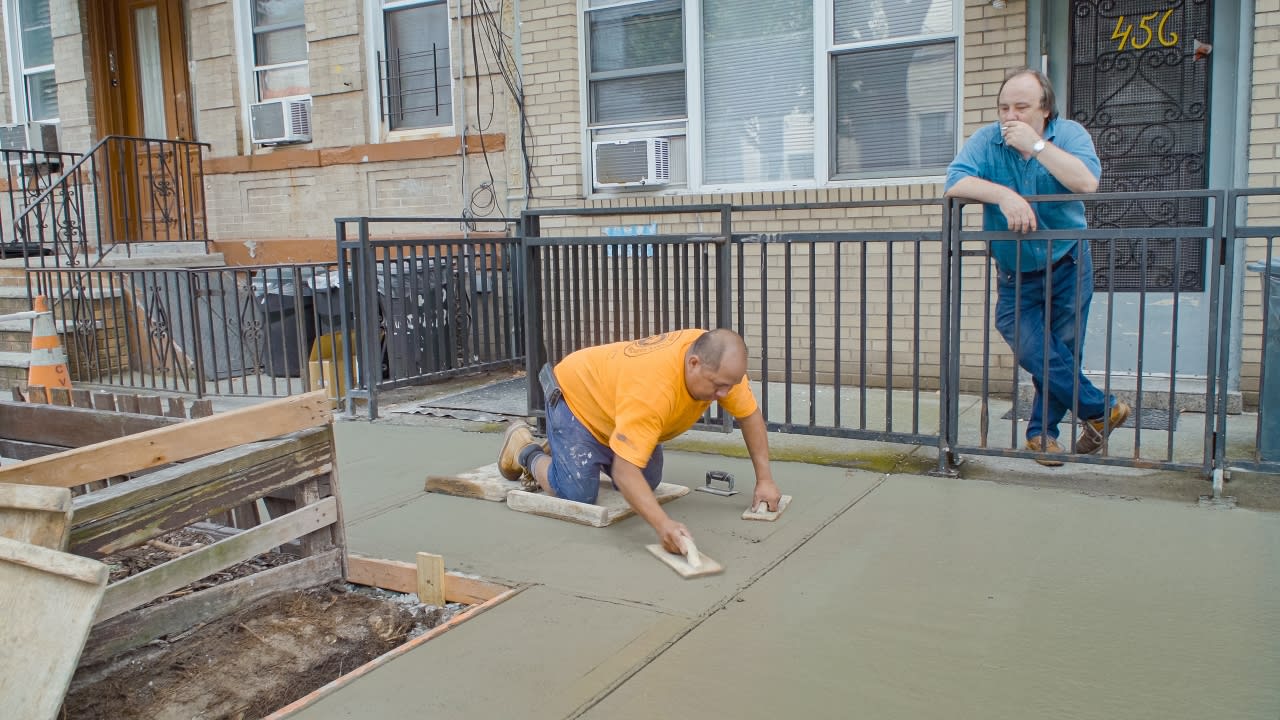
The eponymous star of How to With John Wilson makes his feature directorial debut with this meta-sounding documentary. The History of Concrete seems to be a film about making a film about concrete, which would be funnier if we didn’t just get a legitimately interesting documentary about concrete (Victor Kossakovsky’s Architecton) last year. I hope it displays a better understanding of its mark than 2025’s biggest disappointment, the overrated true-crime deconstruction Zodiac Killer Project.

The History of Concrete premieres at the Sundance Film Festival on January 22, 2026.

Nonfics is a reader-supported publication. To receive new posts and support my work, consider becoming a free or paid subscriber.

24. The Brittney Griner Story

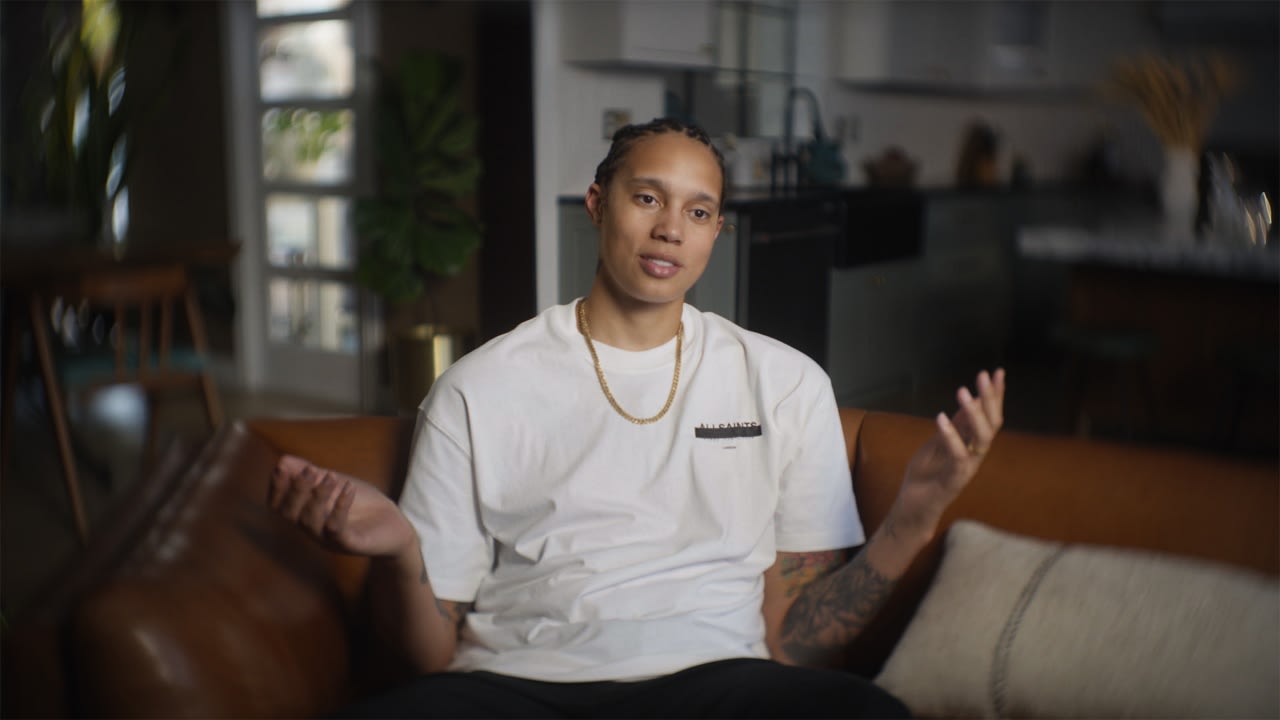
Alex Stapleton, who made the unexpectedly entertaining sports documentary Reggie a few years ago, now turns her lens toward a basketball player with The Brittney Griner Story. This film also concentrates on a popular issue at the moment: Russian oppression. Brittney Griner was arrested and sentenced to prison in Moscow on drug charges, and she wound up being part of a politically motivated exchange. It’s a fascinatingly frustrating story that will hopefully be told properly in Stapleton’s hands with production oversight from ESPN Films.

The Brittney Griner Story premieres at the Sundance Film Festival on January 27, 2026. The documentary is likely to be released later this year via ESPN.

23. The Disciple

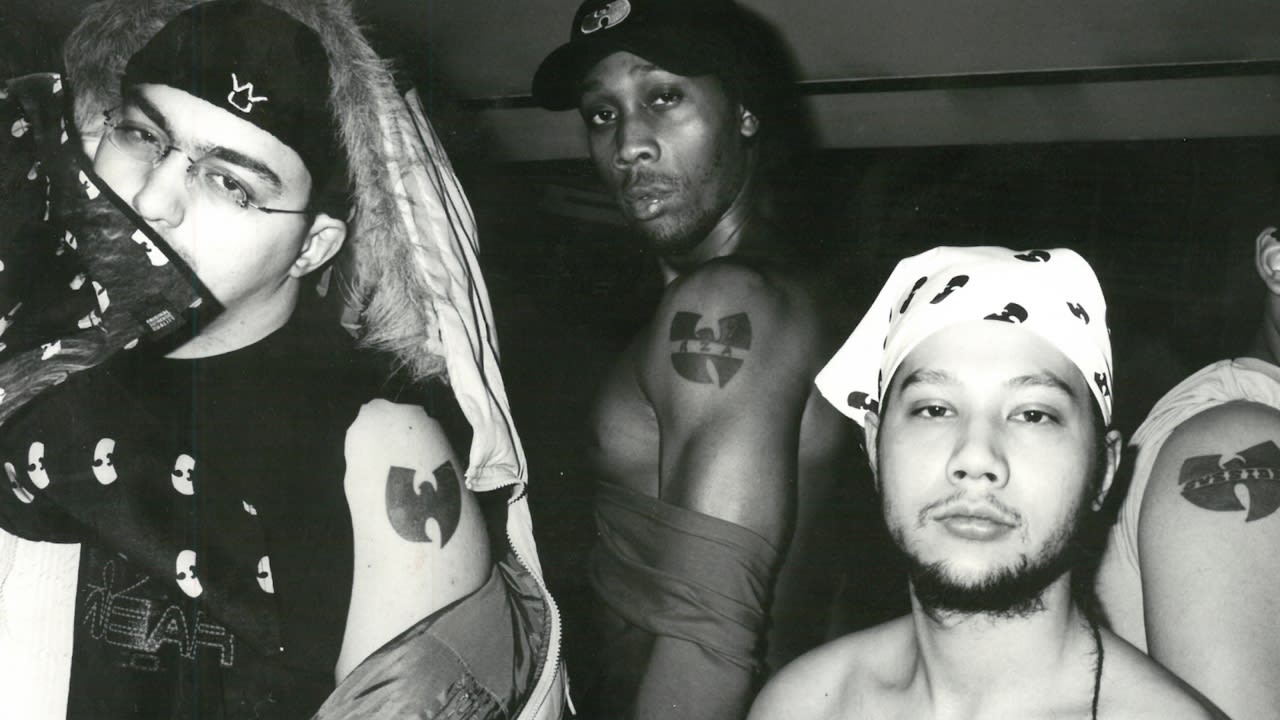
Joanna Natasegara has produced two Oscar-nominated documentary features (Virunga and The Edge of Democracy) and two Oscar-nominated documentary shorts (The White Helmets and Nai Nai & Wài Pó), winning for one of the latter. The Disciple is her solo feature directorial debut and tells the story of Dutch-Moroccan rapper/producer Cilvaringz and his association with the Wu-Tang Clan, for whom he oversaw the making of the controversially rare album Once Upon a Time in Shaolin.

The Disciple premieres at the Sundance Film Festival on January 22, 2026.

22. The Home Of The Brave

Science Fair and Sally director Cristina Costantini makes her solo short debut with The Home of the Brave, which is also known as La Tierra del Valor. The 23-minute documentary deals with the ICE raids in Los Angeles last summer and “one small act of bravery” that “gives a community hope.”

The Home of the Brave premieres at the Sundance Film Festival on January 22, 2026.

21. American Doctor

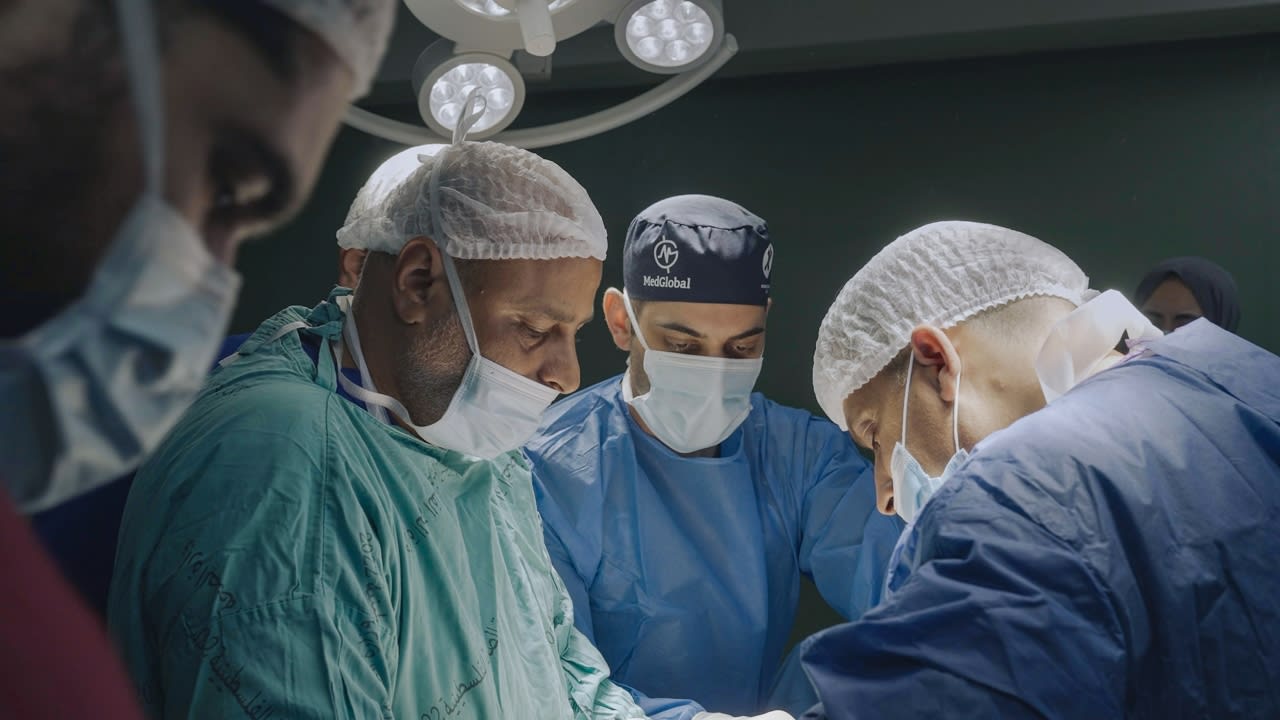
Kirstine Barfod earned an Oscar nomination for producing Feras Fayyad’s The Cave, which followed women doctors in wartorn Syria. She’s also one of the producers of the similarly focused American Doctor, which follows three doctors of different religious backgrounds working in wartorn Gaza. Perhaps this one will find repeat recognition at next year’s Academy Awards. The film also marks the feature directorial debut of Emmy-winning producer Poh Si Teng (Patrice: The Movie).

American Doctor premieres at the Sundance Film Festival on January 23, 2026.


Read more

Uncategorized Comments are off
02 January 2026

The New Year In Documentary: Most Anticipated Of 2026

Written by Paul Moon

To begin our third year on Substack, Nonfics is looking ahead to the next 12 months and previewing our most anticipated documentaries of 2026. Last year, we named 25 films we were looking forward to, and most of them lived up to our expectations. Only six made our list of the best documentaries of 2025, but 12 of them were nominated at the Critics Choice Documentary Awards. Nine of the titles never actually wound up being released in the U.S., with three of them not even premiering anywhere last year.

How many of this year’s most anticipated documentaries will be among the very best of 2026, come December? How many, if any, will be huge disappointments? Will they all make it to release at least? Which films are we not even aware of, or considering, or adequately estimating, that will wind up on our list of favorites at the end of the year? We’ll start to see some answers soon, as most of these debut soon, at Sundance or elsewhere. Here are 26 documentaries coming in 2026 that we can’t wait to watch:

26. Billie Eilish: Hit Me Hard And Soft – The Tour (Live In 3D)

When U2 3D was released back in 2008, I thought it was the future, setting the stage for a new standard for concert films (I recognized it on my list of the best documentaries of the 2000s). While a few others followed, 3D concert films were not even a trend, let alone a game-changing advancement in cinema. But 3D movies in general failed to catch on as the norm, thanks to only James Cameron (plus Martin Scorsese, Wim Wenders, and Ang Lee, to a lesser extent) doing right by the format. Now, Cameron is finally applying his skills with 3D to a concert film. He co-directed Billie Eilish: Hit Me Hard and Soft – The Tour (Live in 3D) with its star, Billie Eilish, and if it’s at least as technically fascinating as U2 3D and even half as good as R.J. Cutler’s Billie Eilish: The World’s a Little Blurry, I’ll be satisfied.

Billie Eilish: Hit Me Hard and Soft – The Tour (Live in 3D) will be released in theaters by Paramount Pictures on March 20, 2026. Watch the trailer here.

25. The History Of Concrete

The eponymous star of How to With John Wilson makes his feature directorial debut with this meta-sounding documentary. The History of Concrete seems to be a film about making a film about concrete, which would be funnier if we didn’t just get a legitimately interesting documentary about concrete (Victor Kossakovsky’s Architecton) last year. I hope it displays a better understanding of its mark than 2025’s biggest disappointment, the overrated true-crime deconstruction Zodiac Killer Project.

The History of Concrete premieres at the Sundance Film Festival on January 22, 2026.

Nonfics is a reader-supported publication. To receive new posts and support my work, consider becoming a free or paid subscriber.

24. The Brittney Griner Story

Alex Stapleton, who made the unexpectedly entertaining sports documentary Reggie a few years ago, now turns her lens toward a basketball player with The Brittney Griner Story. This film also concentrates on a popular issue at the moment: Russian oppression. Brittney Griner was arrested and sentenced to prison in Moscow on drug charges, and she wound up being part of a politically motivated exchange. It’s a fascinatingly frustrating story that will hopefully be told properly in Stapleton’s hands with production oversight from ESPN Films.

The Brittney Griner Story premieres at the Sundance Film Festival on January 27, 2026. The documentary is likely to be released later this year via ESPN.

23. The Disciple

Joanna Natasegara has produced two Oscar-nominated documentary features (Virunga and The Edge of Democracy) and two Oscar-nominated documentary shorts (The White Helmets and Nai Nai & Wài Pó), winning for one of the latter. The Disciple is her solo feature directorial debut and tells the story of Dutch-Moroccan rapper/producer Cilvaringz and his association with the Wu-Tang Clan, for whom he oversaw the making of the controversially rare album Once Upon a Time in Shaolin.

The Disciple premieres at the Sundance Film Festival on January 22, 2026.

22. The Home Of The Brave

Science Fair and Sally director Cristina Costantini makes her solo short debut with The Home of the Brave, which is also known as La Tierra del Valor. The 23-minute documentary deals with the ICE raids in Los Angeles last summer and “one small act of bravery” that “gives a community hope.”

The Home of the Brave premieres at the Sundance Film Festival on January 22, 2026.

21. American Doctor

Kirstine Barfod earned an Oscar nomination for producing Feras Fayyad’s The Cave, which followed women doctors in wartorn Syria. She’s also one of the producers of the similarly focused American Doctor, which follows three doctors of different religious backgrounds working in wartorn Gaza. Perhaps this one will find repeat recognition at next year’s Academy Awards. The film also marks the feature directorial debut of Emmy-winning producer Poh Si Teng (Patrice: The Movie).

American Doctor premieres at the Sundance Film Festival on January 23, 2026.


Read more

Uncategorized Comments are off
02 January 2026

The New Year In Documentary: Most Anticipated Of 2026

Written by Paul Moon

To begin our third year on Substack, Nonfics is looking ahead to the next 12 months and previewing our most anticipated documentaries of 2026. Last year, we named 25 films we were looking forward to, and most of them lived up to our expectations. Only six made our list of the best documentaries of 2025, but 12 of them were nominated at the Critics Choice Documentary Awards. Nine of the titles never actually wound up being released in the U.S., with three of them not even premiering anywhere last year.

How many of this year’s most anticipated documentaries will be among the very best of 2026, come December? How many, if any, will be huge disappointments? Will they all make it to release at least? Which films are we not even aware of, or considering, or adequately estimating, that will wind up on our list of favorites at the end of the year? We’ll start to see some answers soon, as most of these debut soon, at Sundance or elsewhere. Here are 26 documentaries coming in 2026 that we can’t wait to watch:

26. Billie Eilish: Hit Me Hard And Soft – The Tour (Live In 3D)

When U2 3D was released back in 2008, I thought it was the future, setting the stage for a new standard for concert films (I recognized it on my list of the best documentaries of the 2000s). While a few others followed, 3D concert films were not even a trend, let alone a game-changing advancement in cinema. But 3D movies in general failed to catch on as the norm, thanks to only James Cameron (plus Martin Scorsese, Wim Wenders, and Ang Lee, to a lesser extent) doing right by the format. Now, Cameron is finally applying his skills with 3D to a concert film. He co-directed Billie Eilish: Hit Me Hard and Soft – The Tour (Live in 3D) with its star, Billie Eilish, and if it’s at least as technically fascinating as U2 3D and even half as good as R.J. Cutler’s Billie Eilish: The World’s a Little Blurry, I’ll be satisfied.

Billie Eilish: Hit Me Hard and Soft – The Tour (Live in 3D) will be released in theaters by Paramount Pictures on March 20, 2026. Watch the trailer here.

25. The History Of Concrete

The eponymous star of How to With John Wilson makes his feature directorial debut with this meta-sounding documentary. The History of Concrete seems to be a film about making a film about concrete, which would be funnier if we didn’t just get a legitimately interesting documentary about concrete (Victor Kossakovsky’s Architecton) last year. I hope it displays a better understanding of its mark than 2025’s biggest disappointment, the overrated true-crime deconstruction Zodiac Killer Project.

The History of Concrete premieres at the Sundance Film Festival on January 22, 2026.

Nonfics is a reader-supported publication. To receive new posts and support my work, consider becoming a free or paid subscriber.

24. The Brittney Griner Story

Alex Stapleton, who made the unexpectedly entertaining sports documentary Reggie a few years ago, now turns her lens toward a basketball player with The Brittney Griner Story. This film also concentrates on a popular issue at the moment: Russian oppression. Brittney Griner was arrested and sentenced to prison in Moscow on drug charges, and she wound up being part of a politically motivated exchange. It’s a fascinatingly frustrating story that will hopefully be told properly in Stapleton’s hands with production oversight from ESPN Films.

The Brittney Griner Story premieres at the Sundance Film Festival on January 27, 2026. The documentary is likely to be released later this year via ESPN.

23. The Disciple

Joanna Natasegara has produced two Oscar-nominated documentary features (Virunga and The Edge of Democracy) and two Oscar-nominated documentary shorts (The White Helmets and Nai Nai & Wài Pó), winning for one of the latter. The Disciple is her solo feature directorial debut and tells the story of Dutch-Moroccan rapper/producer Cilvaringz and his association with the Wu-Tang Clan, for whom he oversaw the making of the controversially rare album Once Upon a Time in Shaolin.

The Disciple premieres at the Sundance Film Festival on January 22, 2026.

22. The Home Of The Brave

Science Fair and Sally director Cristina Costantini makes her solo short debut with The Home of the Brave, which is also known as La Tierra del Valor. The 23-minute documentary deals with the ICE raids in Los Angeles last summer and “one small act of bravery” that “gives a community hope.”

The Home of the Brave premieres at the Sundance Film Festival on January 22, 2026.

21. American Doctor

Kirstine Barfod earned an Oscar nomination for producing Feras Fayyad’s The Cave, which followed women doctors in wartorn Syria. She’s also one of the producers of the similarly focused American Doctor, which follows three doctors of different religious backgrounds working in wartorn Gaza. Perhaps this one will find repeat recognition at next year’s Academy Awards. The film also marks the feature directorial debut of Emmy-winning producer Poh Si Teng (Patrice: The Movie).

American Doctor premieres at the Sundance Film Festival on January 23, 2026.


Read more

Uncategorized Comments are off
01 January 2026

Elvis Presley: A Boy from Tupelo Mississippi

Written by Paul Moon

A short documentary about how Elvis became a superstar playing a new type of country bop, a mix of rockabilly and country. Directed by Robert Gordon!

The post Elvis Presley: A Boy from Tupelo Mississippi appeared first on Channel Nonfiction.

Uncategorized Comments are off
← Older posts
Newer posts →

B&H Search Engine Banner


B&H Photo - Video - Pro Audio


© Copyright 2022 by Zen Violence Films LLC, all rights reserved. To read the site privacy policy and ethics statement, click here.