
When I was an undergraduate studying film, I thought everything was the director’s decision.
At that time, I was taking a lot of film classes. But these were not craft classes — GOD NO! I was not self-confident enough to make art in front of peers and professors that would be judged for a grade. My artistic pursuits in that era were entirely private or gift-based: elaborate comics-strewn letters to friends, mixtapes, collage-y journals, etc. It took a few years of watching kids make movies at my job at a community media center, Children’s Media Project, before I got the confidence to make my own. A story for another day!
Anyway, back to film class. I mean, I understood metatextual and marketing elements like posters and trailers were different, and very occasionally we would read about some time the director was in conflict with the studio and had to change something against their will, or craft elements (costume design, music, acting) for which significant credit was due to other members of the film team.
But generally speaking, what I learned was to analyze these films like every detail was full of meaning. Now that I’ve making films professionally for well over a decade, I can confirm: everything is indeed full of meaning, but not in the way I imagined.
Reality check: things go wrong all the time!
Much is said about the supposedly great power of the documentary director. I mean… I guess so? Personally, it feels like everything I do is in negotiation with 10,000 forces I do not control.
My favorite movie podcast is What Went Wrong.1 The genius of this show is that the hosts understand just how hard it is to make any movie at all, let alone a good one. Their frame for each story is, “What went wrong on [X movie]?” This frame applies equally well to classic films as to legendary bombs, films you love to death and films you’ve never heard of. They have never applied the “What went wrong” frame to a documentary, but I often wonder what would happen if they did.
I made this 30-second PSA for Instagram recently about just one of the many things that went wrong on my children’s music documentary Happy and You Know It:
Even this casting “decision” (I say “decision” because it was not my decision, it was Raffi’s decision to not appear in the film!!!) has an ethical dimension to it. I understand why someone even called it “an unforgivable sin” to leave him out.2
But even as the great and all-powerful director: you don’t always get to decide who’s in your movie or what you’re allowed to film. Sometimes, #raffisaidno.
My Raffi example is silly. But the issue of access is not.
In real life, you don’t always get the access you want. When it is an ethical imperative to get it, and what do you do when you can’t?
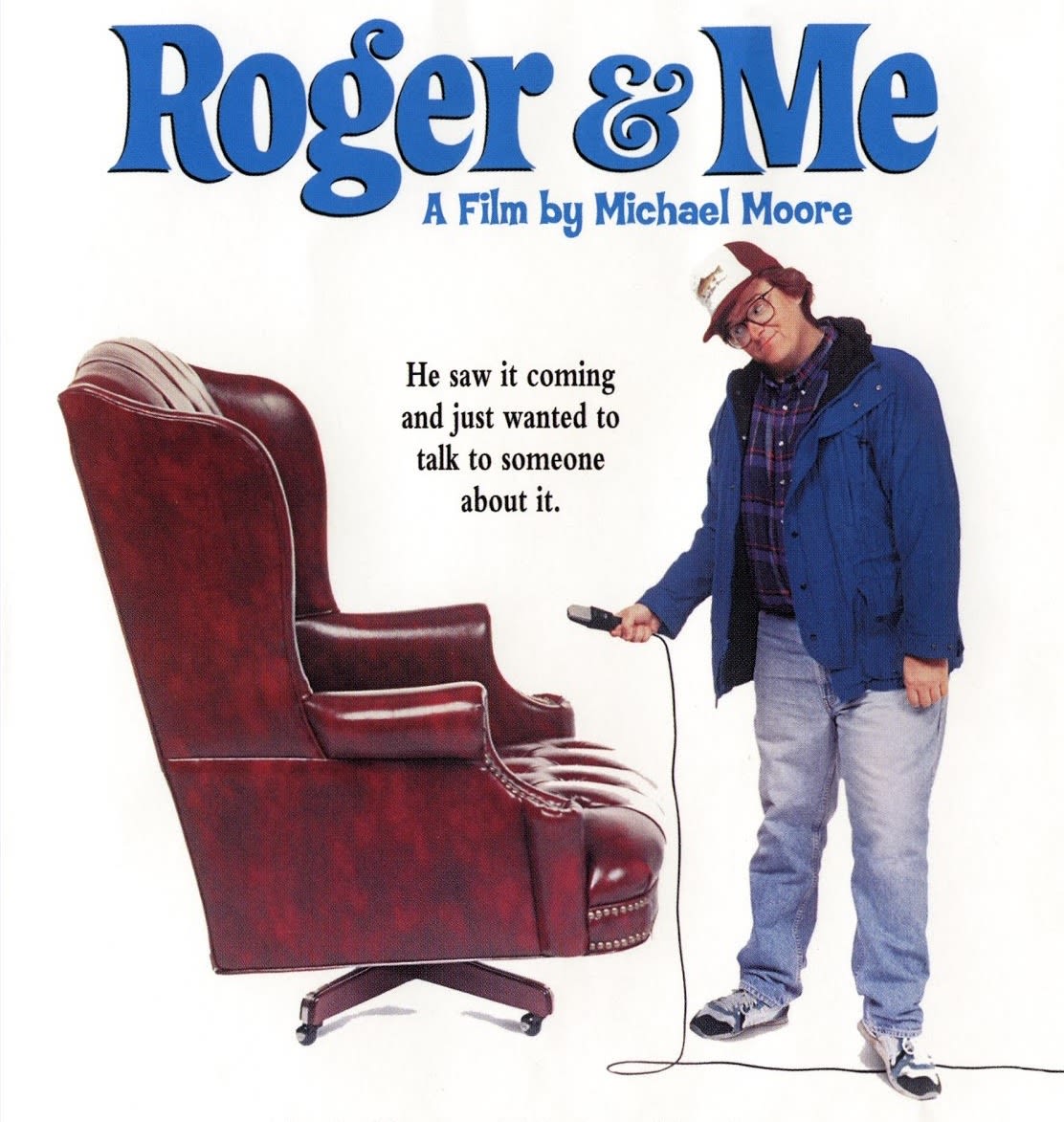
Michael Moore famously turned his inability to get access to General Motors CEO Roger Smith into the central gag of Roger & Me (definitely the first, and probably the only, documentary my family ever rented from the video store to watch together). That poster image of him pointing his mic at the empty chair is brilliant and iconic!
But there’s a wrinkle in the Roger & Me story. Or at least a potential wrinkle, depending on who you believe…