
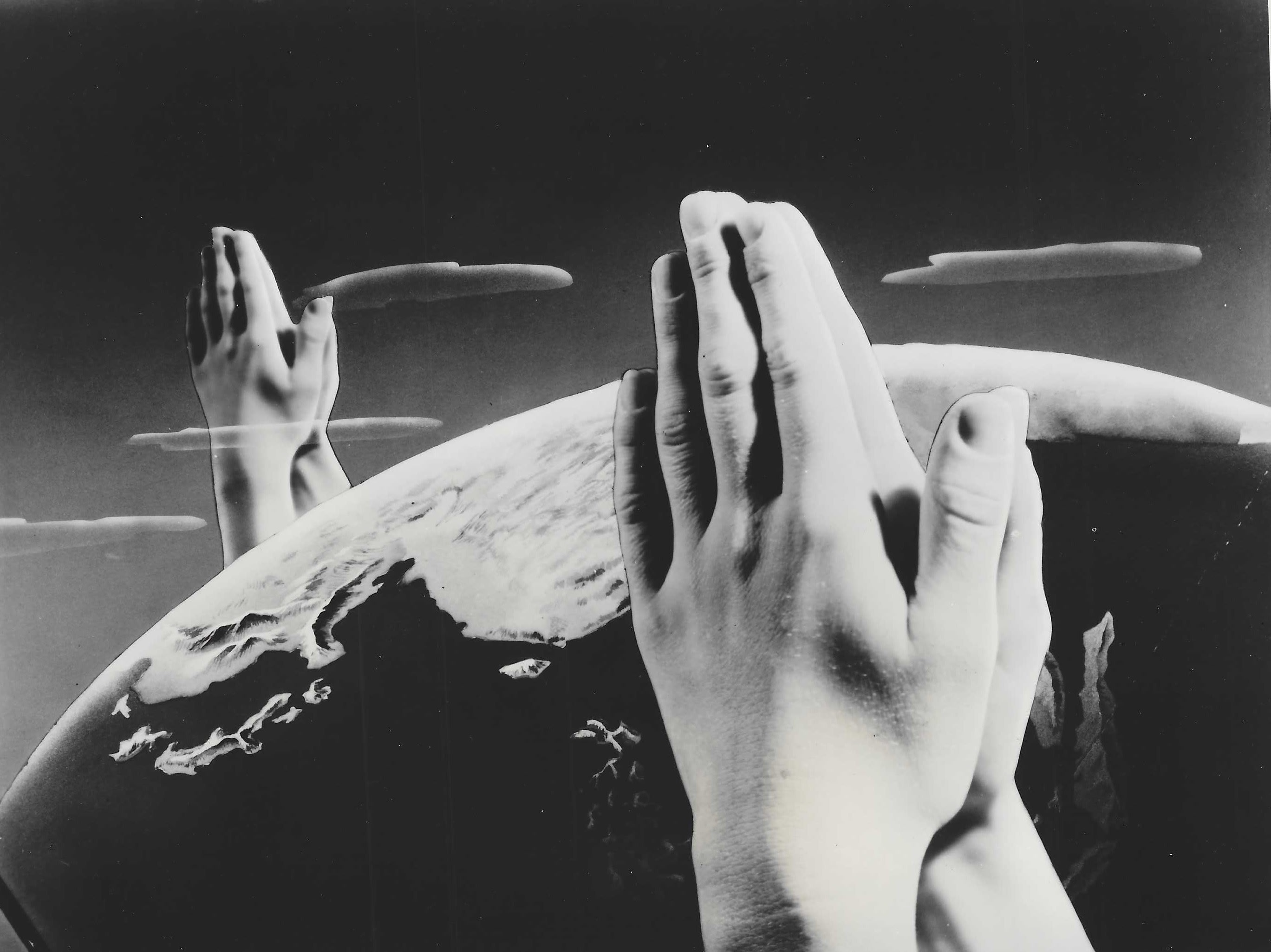
Following the death of Diane Keaton last October, her feature directorial debut garnered some due acknowledgment. The film, Heaven, was released in 1987 and received a good amount of press for a work of its kind. But it was mostly forgotten afterward. Outside of it being made by one of the greatest actresses of her generation, the film may have been a difficult sell (the curiosity, at least, contributed to its respectable $78 million box office gross). I think it’s hilarious, a quirky collage of ideas of what the afterlife will be like. And a sly revelation of how media informs such ideas.
Keaton was hesitant to label it a documentary, but its mix of new interviews and repurposed archival footage fit the definition. There are no experts on the subject, which is too unknowable for there to be any. Representatives from Christianity are the closest thing, maybe, but what do they really know that the comments from man-off-the-street participants aren’t just as valid? Only one famous face is among the talking heads: Don King. Another non-stranger is Keaton’s grandmother, who died during the production, impacting the actress-director’s attitude while finishing the project. I wonder if it wouldn’t have come off so cynical without that personal experience.
Nonfics is a reader-supported publication. To receive new posts and support my work, consider becoming a free or paid subscriber.
The context of Heaven’s creation is interesting. Keaton had recently published a book of old Hollywood photographs, in which she shared her idea of Heaven in the introduction. The same year as Heaven’s release, Keaton directed the first of two Belinda Carlisle music videos, for a song titled “Heaven Is a Place on Earth.” The documentary and the video have a similar aesthetic at times, most notably in shots where hard shadows cross people’s faces. The documentary, with its abstract sets and stylish cinematography (shot by David Lynch collaborator Frederick Elmes), was often compared to music videos. Roger Ebert, though, negatively compared it to Gates of Heaven. I’d liken it more favorably to Errol Morris’s early films (Heaven’s editor, Paul Barnes, incidentally, next worked on Morris’s The Thin Blue Line).
Keaton’s Heaven is a dated product of its time and occasionally feels like a beginner art student’s first experimental film. For those of us cinephiles who base our concepts of Heaven on what we’ve seen in the movies and who may consider film itself to be Heaven, we can appreciate the compilation montage side of the documentary. Most of the contemporary people interviewed are kooky or even downright absurd, however, and were obviously only selected for their amusing soundbites and ridiculous arguments (Keaton recognized that most of the people she talked to who didn’t make the cut were boring). But they’re perfect for a topic that can’t rightfully be taken too seriously or with any certainty, which is so fascinating for a documentary to tackle.
Thanks for reading Nonfics! This post is public so feel free to share it.