• News
  • Videos
  • Adobe Premiere Tips
  • About
  • FocusPulling.com
Menu
  • News
  • Videos
  • Adobe Premiere Tips
  • About
  • FocusPulling.com

Author Description

Paul Moon
Connect on Facebook Connect on Twitter Connect on Linkedin

H. Paul Moon is a filmmaker based in New York City and Washington, D.C. whose works concentrate on the performing arts. Major films include “Sitka: A Piano Documentary” about the craftsmanship of Steinway pianos, “Quartet for the End of Time” about Olivier Messiaen’s transcendent WWII composition, and an acclaimed feature film about the life and music of American composer Samuel Barber that premiered on PBS. Moon has created music videos for numerous composers including Moondog, Susan Botti and Angélica Negrón, and three opera films set in a community garden. His film “The Passion of Scrooge” was awarded “Critic's Choice” by Opera News as a “thoroughly enjoyable film version, insightfully conceived and directed” with “first-rate and remarkably illustrative storytelling.” Further highlights include works featured in exhibitions at the Nevada Museum of Art and the City Museum of New York, PBS television broadcasts, and best of show awards in over a dozen international film festivals.

17 April 2026

Lorne Review: Live from New York, It’s an Evasive Doc Subject!

Written by Paul Moon

Lorne

(USA, 101 min.)

Dir. Morgan Neville

Prod. Morgan Neville, Lauren Belfer


For the last few years, Oscar winning filmmaker Morgan Neville (20 Feet from Stardom) has been on a tear. He’s looked in depth at the careers of musical legends like Keith Richards and Paul McCartney, delved into the mind of one of the most cerebral and celebrated comedians ever in Steve Martin, crafted a LEGO animated portrait of Pharrell Williams, and sunk his teeth into the tale of the celebrated chef and raconteur Anthony Bourdain. However, his latest documentary, a portrait of the producer/writer/impresario Lorne Michaels, may prove to the biggest test of his skills by extracting a narrative from a private individual who for decades has been the heart of Saturday Night Live (SNL).

The broad strokes of Michaels’ biography are well known. The man born Lorne David Lipowitz was delivered in Toronto, beginning his career on local radio. He headed to Hollywood to work as a writer, then soon returned north to star alongside Hart Pomerantz in a variety show that also showcased talents of likes future SNL cast member Dan Aykroyd. In 1975, Michaels assembled a retinue of his so-called “Not Ready for Primetime Players” and helped changed television and sketch comedy history.

It’s a running gag of sorts in Neville’s Lorne that this tale of SNL’s birth has practically been beaten into the ground by overtelling. From numerous authorized, Broadway video-produced docs through to Jason Reitman’s fictionalized telling of that harried, coke-fuelled first show starring George Carlin, this engaging yet well-known storyline hardly needs further articulation. What’s often missed in all of the cacophony of comedic commemoration is a focus on the reticent person at the core of much of the show’s lasting legacy, and that’s exactly the way Michaels always wanted it.

And so, what’s most fun about Neville’s film is that it’s in many ways about an almost Sisyphean task, climbing up the unclimbable hill, trying to break down the walls of this sardonic subject. Numerous eloquent and engaging collaborators, many of whom have worked with Michaels for years, talk about how they actually don’t know him very well. Paul Simon, whose appearances on TV working with Michaels pre-dated the first SNL episodes, seems like a rare figure truly in the know, while Lorne’s current wife and children are seemingly shielded from introspection about his life outside of 30 Rock.

Many who consider themselves beholden to Lorne for their success, including the likes of Conan O’Brien, Jimmy Fallon, and Tina Fey, seem genuinely surprised when Neville brings up a point about Lorne’s past that even they were unaware of. The result is more playful than frustrating, making Michaels’ reticence to let the reality of the man outside of the work environment be known even to colleagues who weathered wars with him.

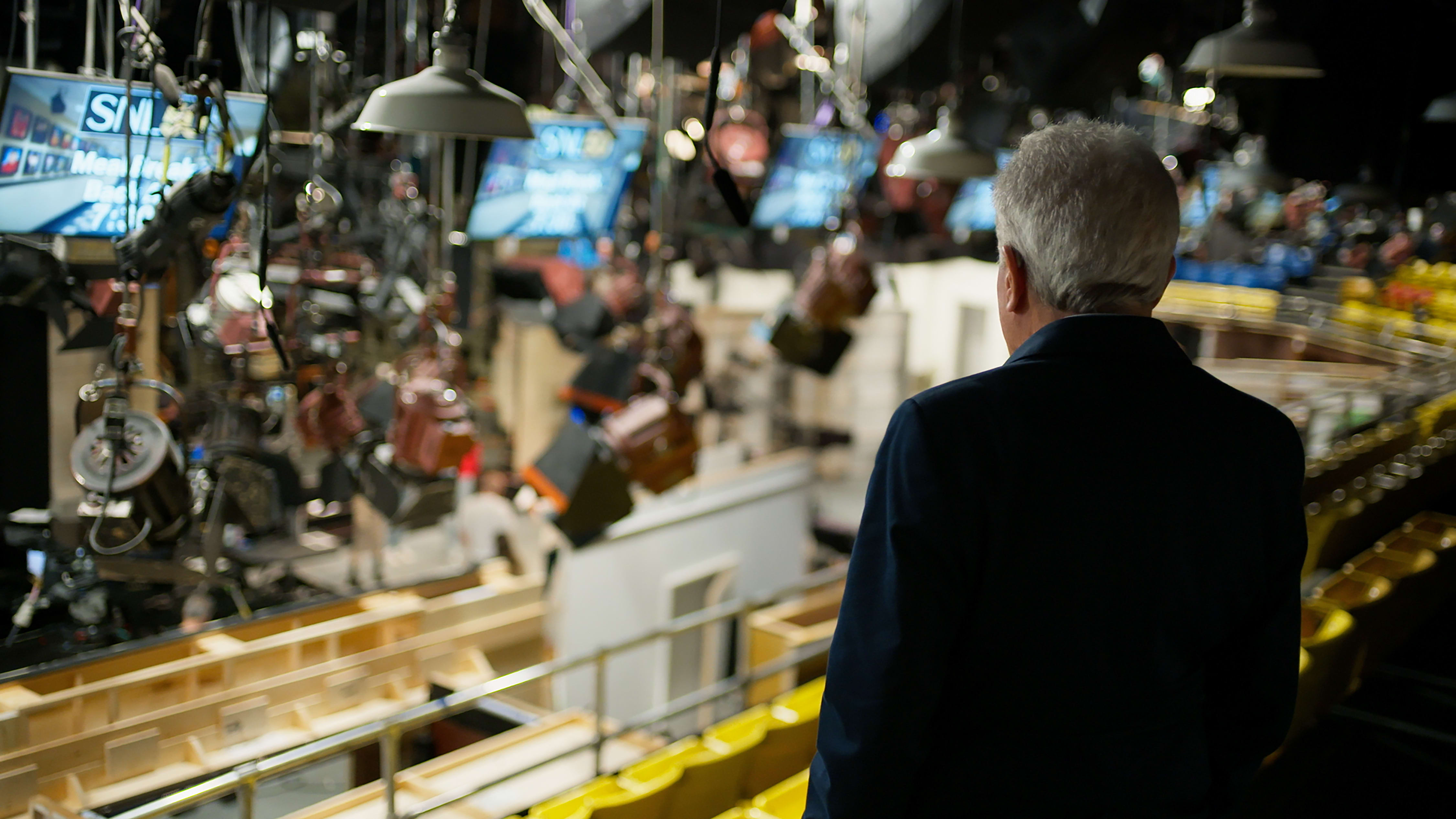
It’s a tribute to Neville’s tenacity and narrative patience that we get some glimpses over that wall, and for fans of what Michaels has accomplished, there are many insights that feel minor but prove to be anything but insignificant. Even the moments captured during the taping of the show are seen through a unique lens, providing a kind of vérité gaze on the mayhem of doing live television that’s truly welcome.

One way of making up for the lack of access is through the use of Robert Smigel and his collaborators’ TV Funhouse animated sequences, along with former cast member Chris Parnell’s laconic narration that feels celebratory in some moments, while at others akin to the elucidating voiceover from a nature documentary. There is a safari-like sense to the whole affair, with Neville’s camera evoking the sensation of tracking elusive game, making Michaels akin to a snow leopard, or at least one whose most notable trait is to head to the same Italian restaurant for almost half a century on the Tuesday of a show week and order the same food every time.

It’s Lorne’s life, with its mix of chaos and regularity, along with the paradox of taking the silly very seriously, that truly gets exemplified in the film. For what Lorne does better than just about every other version of the SNL story is to fully commit to the idea that while the show is bigger than the man who created it, Michaels’ comedic DNA is woven through just about every element of the series. One must understand that point to grasp the show’s enduring success.

Lorne is a warm, sympathetic portrait, but it’s no mere hagiography. For a man who thrives on chaos yet finds solace in the quiet of Maine, there’s much to learn from a subject who never quite opens up to his interlocutor, no matter how much Neville skilfully prods. The result may be frustrating to audiences that want grand revelations, but even the tiniest of revelations that Michaels concedes are welcome.

Lorne is the story of one man while also the tale of an entire legion of artists who helped make SNL and all his other projects come to the fore. It succeeds by not trying to be definitive. It shines when it admits its inability to crack the code and snag some Rosebud-like revelation. Because of this, it may be one of Neville’s most interesting films formally, highlighting the very challenge of doing justice to such a seemingly mercurial subject. The only way it works, it seems, is to approach Lorne the way that SNL treats the world: with equal parts irreverence and seriousness.

Lorne opens in theatres April 17.

The post Lorne Review: Live from New York, It’s an Evasive Doc Subject! appeared first on POV Magazine.
Uncategorized Comments are off
17 April 2026

‘Lorne’ Review

Written by Paul Moon

I expected to like Lorne. The director is Morgan Neville. The subject’s usual elusivity would seem to make him intriguing. And all of last year’s plethora of Saturday Night Live documentaries and specials were better than they needed to be. But Lorne is probably my least favorite Neville documentary besides the second half of Steve! (Martin): A Documentary in 2 Pieces. I can’t blame Neville for this. He clearly gave it his all. He even tried to make it fun and occasionally meta. When covering Lorne Michaels’s life in the 1960s, he has (aptly cast) narrator Chris Parnell explain that, as required, the ‘60s segment of this one begins with the obligatory clips of the Vietnam War and hippies. As someone who has seen a lot of documentaries about that era, I appreciate the joke.

The problem is that Michaels is not that interesting. It’s not just that he’s elusive and that Neville can’t seem to crack the nut here (it’s not The Unknown Known). Michaels realizes this. He confesses that there’s no “Rosebud” mystery to his life (though he does answer the question of what his “Rosebud” would be if he had one, and it’s so perfectly unremarkable that I guess that says something). A scant few interesting stories are shared, mostly by longtime pal Paul Simon (who knew that “Graceland” was partly based on a trip he made with Michaels?), but most of the expected roster of talking heads have little insight into the man. Especially outside his work on Saturday Night Live, none of which feels new after all the coverage the show got for its 50th anniversary last year.

Maybe I’m just tired of these documentary profiles that aren’t at least verite records of a moment. Similar to the Steve! piece, there’s too much talking to the director and acknowledgment of the film crew as it’s being made, not enough actual storytelling. But with Michaels, that wouldn’t be very entertaining. It’s said in the film that he’s a great producer because he leaves no fingerprints behind. It’d be like watching ghosts and empties, if you understand the reference to what I’m now pretending is a lyric referencing Michaels. His legacy is not here; his legacy is just the show. I’ll give Lorne something, though: there’s a great bit with Jimmy Fallon feeling vindicated that any fan of Saturday Night Live needs to see.

Uncategorized Comments are off
17 April 2026

‘Robert Wilson And The Civil Wars’ Review

Written by Paul Moon

My first takeaway after watching this 41-year-old documentary is that Robert Wilson is a terribly bland screen personality. That may be a surprise to anyone familiar with his wildly out-there work as an avant-garde theatre artist. For anyone not familiar with his work, Howard Brookner’s Robert Wilson and the Civil Wars spends half its runtime tracking Wilson’s life and career up to his overly ambitious Civil Wars project. The latter half would seem to be the focus of the film, given its title, and it’s the more interesting material because — spoiler alert — the project was never fully performed as intended as an accompaniment to the 1984 Summer Olympics in Los Angeles.

That makes it similar to the handful of behind-the-scenes “unmaking-of” documentaries out there about incomplete films, such as Lost in La Mancha and Jodorowsky’s Dune. I wish it had gone even deeper into the topic of its financing, considering this was a time when it seemed money was abundant for all kinds of modern art. Perhaps this experimental opera was just that much more expensive an undertaking. We don’t get the context of the art world of that moment. What we get is some documentation of a project that could have been (and honestly wouldn’t seem that strange next to many of the opening ceremonies lately), for posterity.

The last few minutes of Robert Wilson and the Civil War are when it starts to get good, with Wilson having a warranted meltdown at a staging in France. Then, the documentary concludes with a compelling point from the artist about his work. The performances of his operas are only done by him and then exist in the memory of those who saw them. All that’s left are archives, and that’s the same for this piece, which was never performed in its entirety at all. The film represents that archive. He may as well be talking about the documentary with his final line: “This is what remains of the work. And so through these records, one has some idea of what happened.”

The sentiment is all the more meaningful with the legacy of the documentary, which was one of only three films by Brookner before he died of AIDS in 1989. Part of the original material for the documentary was lost during Hurricane Sandy in 2012. Yet the filmmaker’s nephew, Aaron Brookner, toiling for more than a decade, was able to create a 4K restoration from a 16mm print and some VHS copies that looks almost as good as new. Even if I don’t love the whole thing, I have to appreciate that the film and what it captures have been preserved.

Uncategorized Comments are off
17 April 2026

‘Lorne’ Review: Morgan Neville’s Lightweight Documentary Sees Lorne Michaels as the Last True Guardian of Show Business as We Know It

Written by Paul Moon

L_FP_00082r2.jpg?w=650

Morgan Neville’s “Lorne” is a documentary about Lorne Michaels. It’s also — more acutely — a documentary about how hard it is to make a documentary about Lorne Michaels.

Uncategorized Comments are off
16 April 2026

How Do You ‘Inadvertently’ Get Lorne Michaels to Be Your Next Documentary Subject? Morgan Neville Explains

Written by Paul Moon

GettyImages-2271388822-e1776266405122.jp

The prolific documentarian has long had the “SNL” creator on his dream subject list. As he tells IndieWire, getting that to happen? Well, it’s kind of a funny story.

Uncategorized Comments are off
15 April 2026

IDA Statement on Open Letter Opposing the Warner Bros./Paramount Merger

Written by Paul Moon

IDA Statement on Open Letter Opposing the Warner Bros./Paramount Merger
ida-admin
Tue, 04/14/2026 – 14:38

Uncategorized Comments are off
15 April 2026

IDA Statement on Open Letter Opposing the Warner Bros./Paramount Merger

Written by Paul Moon

IDA Statement on Open Letter Opposing the Warner Bros./Paramount Merger
ida-admin
Tue, 04/14/2026 – 14:38

Uncategorized Comments are off
15 April 2026

‘The Loving Story’ Is Necessary History Strengthened By Extraordinary Footage

Written by Paul Moon
The Loving Story

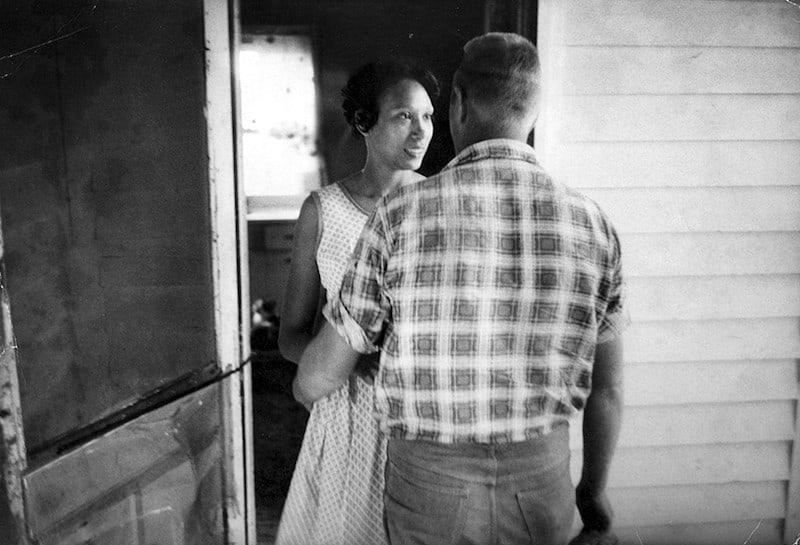
If you wrote an original romantic screenplay called The Loving Story and the main characters were named Mildred and Richard Loving, that’d seem pretty cheesy. But there’s nothing bogus about the “epunymous” title of an incredibly essential documentary focused on the story of the Lovings, an interracial couple whose union in 1958 led to their arrest, con…


Read more

Uncategorized Comments are off
← Older posts
Newer posts →

B&H Search Engine Banner


B&H Photo - Video - Pro Audio


© Copyright 2022 by Zen Violence Films LLC, all rights reserved. To read the site privacy policy and ethics statement, click here.