

“So, if you didn’t actually film the film, why are you calling yourself a director? Aren’t you just, like, an editor?”
This was one of the first audience questions I ever got about Our Nixon, and I’ve thought about it many times over the years.
Our Nixon is composed entirely of pre-existing material — “found footage,” like home movies, TV news and Nixon’s White House tapes. So I really should have been more prepared, and less completely thrown off by this question!
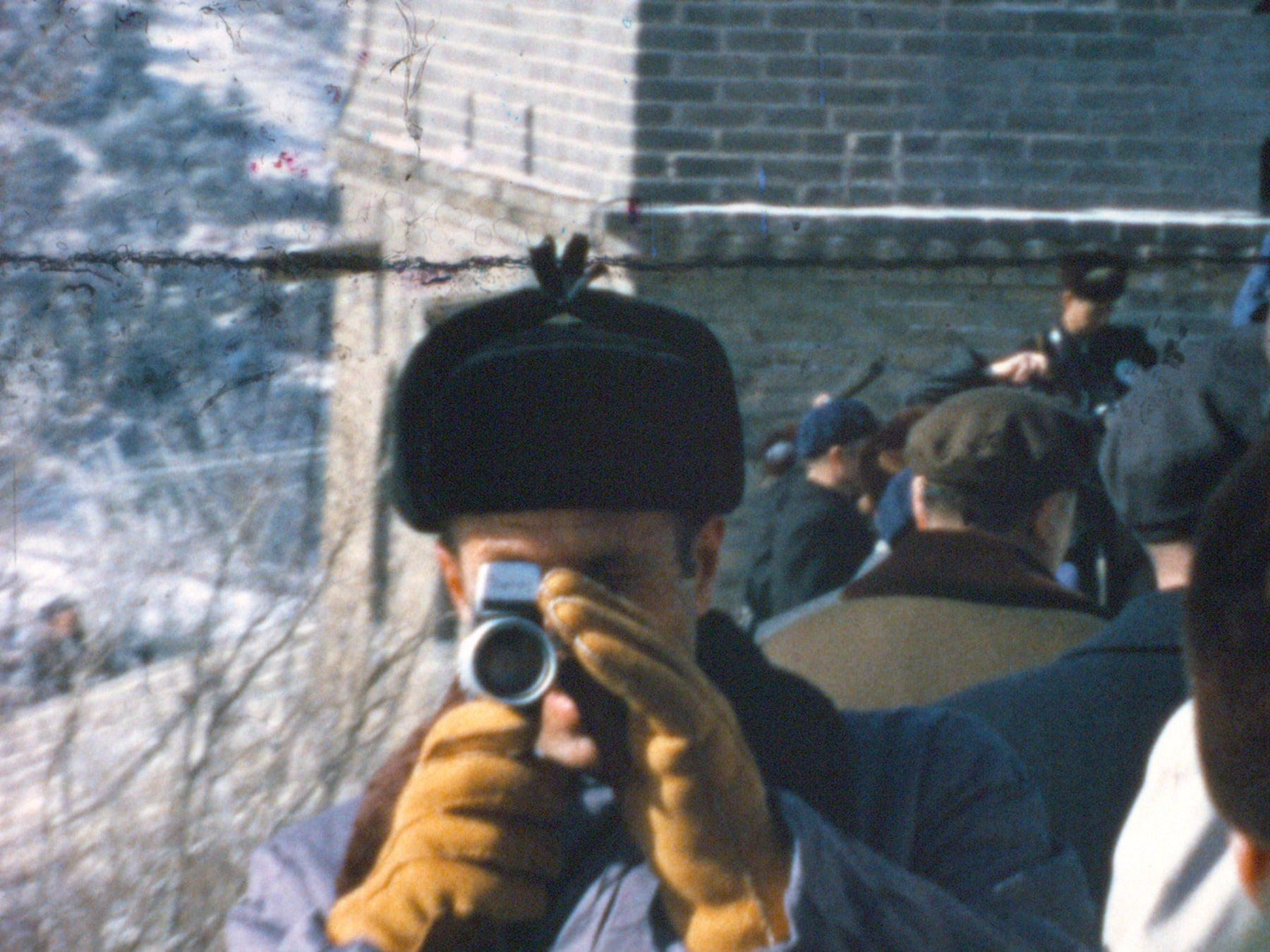
I find there’s a lot of confusion about what a documentary director actually does.
Sometimes, I feel confused myself. On one of the first shoots on Hail Satan? — this was January 2017— I found myself crying in a bathroom stall because I truly had no idea what my job was.
We were filming a black mass in Los Angeles. Producer Gabriel had done a great job staffing the shoot: we had multiple camera and sound operators, a PA, etc. It was a dark, loud, chaotic event. I couldn’t tell what the camera people were filming, because we didn’t have the budget for a director’s monitor (or even if we did, I did not know such a thing existed!). Consequently, during the event, I didn’t have anything to do. Everyone else on the crew was doing their jobs, and I just kind of stood around, feeling bored and anxious.
I was convinced everyone else on the crew — including the PA, who was keeping an eye on the gear — knew their purpose and was fulfilling it. Whereas I had absolutely no idea in that moment what a documentary director does, what she should be doing right now, or why I’d paid to fly her/me across the country for this shoot!!!
Since then, I’ve had other moments where it seems like I am the only person not actually doing anything (!!!), but I’ve also learned what the job really is — and isn’t.

Close your eyes and picture a documentary director.
I’ll wait…
You probably pictured someone with a camera in their hands, headphones on, out in the field, following action as it unfolds. Perhaps even something like this, the top Google Image result for “documentary director”:
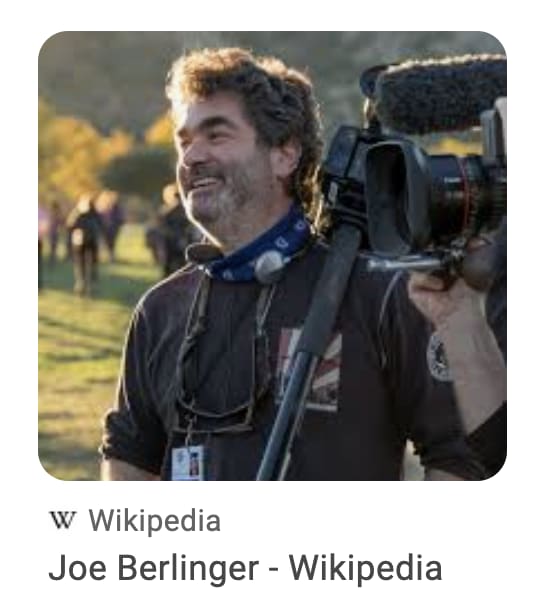
There are tons of doc directors for whom that image is a pretty accurate depiction of their primary artistic process. It does feel, in some ways, like the center of the whole thing.
So, I’ve always felt awkward and a bit fraudulent about my utter lack of interest in, or talent for, cinematography, which seems so central to doc directing! I have tried and failed many times to force myself to become a Camera Loving Person because on some level I still believe a real documentarian holds the camera at least sometimes, damn it.
I have realized by now there are infinite ways to be a documentary director. The job can look extremely different, from person to person.
Some of us work with DPs and some of us shoot our own material, some of us are deep researchers, some of us are super visual thinkers or highly analytic or really into story structure, some of us are crazy about editing and others are not so involved. I could go on and on and on about how varied the job can look — that’s part of what I love about it.
But I think regardless of what form your directorial process takes, there are 2 essential parts of the job that no director can escape. These remain the same in every situation, from development to distribution.
The 2 Most Important Things a Documentary Director Does
1. KNOW WHAT THE MOVIE IS, AND BE READY TO EXPLAIN IT TO LITERALLY EVERYONE, FOREVER.
Your job is to create, maintain and shepherd a specific, holistic vision for the film, and to communicate that vision effectively in any context, at any time, to anyone.
Set a compass bearing.
Sometimes, you’ll tack one way or another, but keep an eye on that bearing.
In most cases, you’ll need to be the decider.1 So be prepared to decide.
Also be prepared to listen and change your mind.
No, you will never know if you’re getting this balance right. But you have to commit to a vision, and negotiate both feedback and chance.
Remember that almost everyone else on the project is only aware of their piece of the larger puzzle, and your job is have the larger puzzle always in mind. So, when filming something, for example, think about how it fits into the bigger whole and communicate that to anyone who needs to know.
2. BE THE ONE WHO CARES THE MOST, AND KNOW IT FALLS TO YOU TO MAKE IT WORK.
Directing is a leadership position.
You need to build a team and manage it.
You need to activate, motivate, inspire, and collaborate.
You should probably be the one who cares the most.
There may be times when you are the only one who cares, and that’s okay, that’s also part of the job.
That doesn’t mean you need to micromanage, or do it all yourself! God no.
Instead, discover what you are really good at and drawn to — is it research? shooting? editing? interviewing? — and surround yourself with people that are incredibly talented, especially in the areas you are weaker in.
Fill in the gaps. And let others fill in yours.
For example, since I am no good at camera stuff, I always work with a great DP.
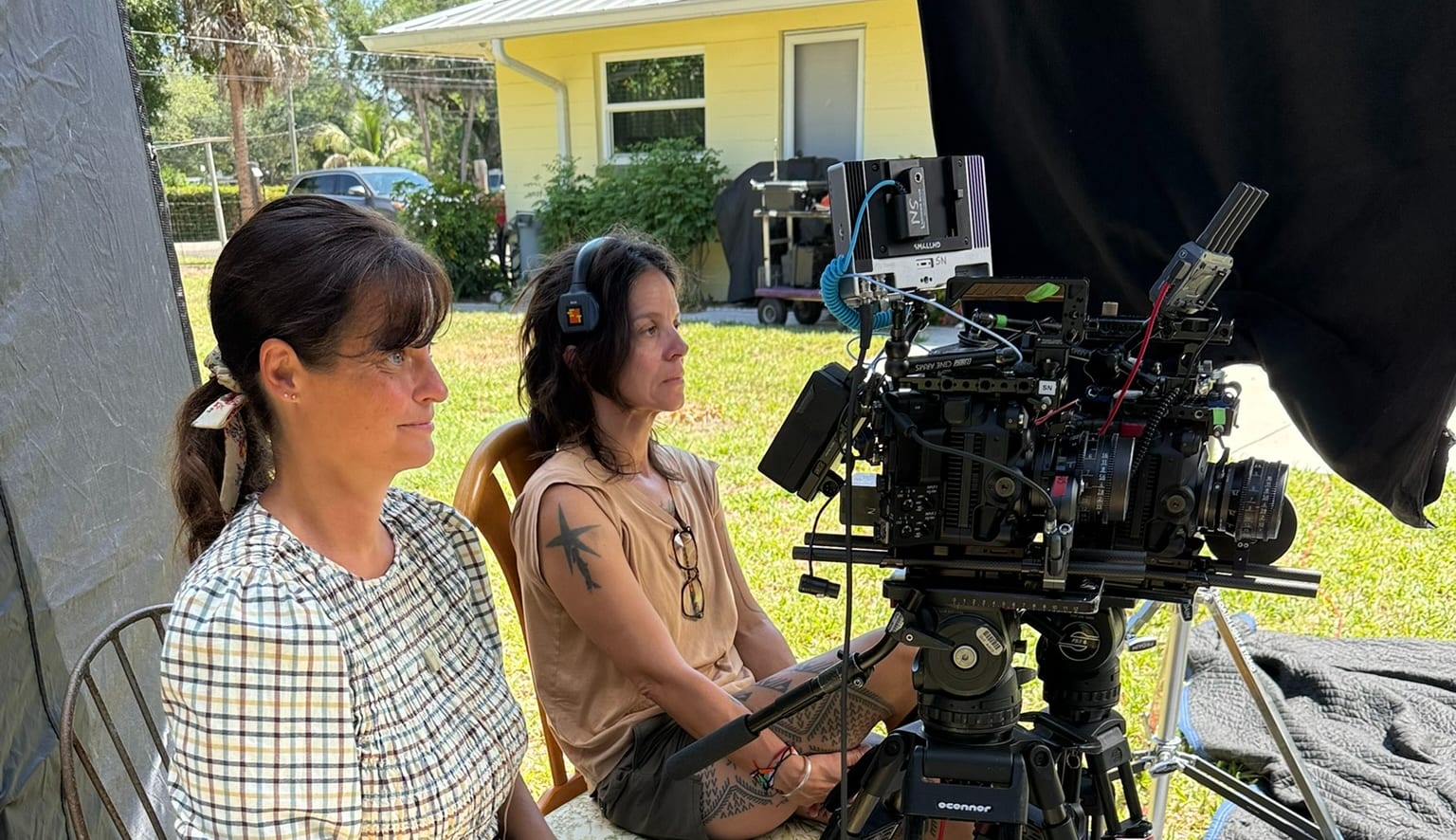
If you choose to be a director, remember you’ve taken on the ultimate responsibility for the success or failure of the film.
Everyone has their job, and yours is to make it all work.
You’ll get lots of credit, but to earn it, you have to take on that burden.
So, to answer that question from the Our Nixon Q&A: no, I didn’t shoot the footage. But I did know what the movie was, I spent years explaining it to literally everyone, I cared about it more than anyone and I built my team to support my own idiosyncratic strengths and weaknesses.
That night in the bathroom on the Hail Satan? shoot, I worried I was failing the film. It turns out I will always worry about that — and I should, because I know it falls to me to make it all work in the end.
I am reminded of this piece by Elaine McMillion Sheldon where she, too, considers how hard it is to define what documentary directing is, to people who don’t know, and even people who do. Elaine’s piece contained many wonderful insights about directing, but the one that really stayed with me is this:
If you don’t make those decisions, someone else will. The person you’re filming, likely. Your crew will too, out of desperation. The situation itself can start determining the direction [emphasis mine]. And often, that means the moment won’t work – not for the people involved, not for the film, and not for you.