• News
  • Videos
  • Adobe Premiere Tips
  • About
  • FocusPulling.com
Menu
  • News
  • Videos
  • Adobe Premiere Tips
  • About
  • FocusPulling.com

Author Description

Paul Moon
Connect on Facebook Connect on Twitter Connect on Linkedin

H. Paul Moon is a filmmaker based in New York City and Washington, D.C. whose works concentrate on the performing arts. Major films include “Sitka: A Piano Documentary” about the craftsmanship of Steinway pianos, “Quartet for the End of Time” about Olivier Messiaen’s transcendent WWII composition, and an acclaimed feature film about the life and music of American composer Samuel Barber that premiered on PBS. Moon has created music videos for numerous composers including Moondog, Susan Botti and Angélica Negrón, and three opera films set in a community garden. His film “The Passion of Scrooge” was awarded “Critic's Choice” by Opera News as a “thoroughly enjoyable film version, insightfully conceived and directed” with “first-rate and remarkably illustrative storytelling.” Further highlights include works featured in exhibitions at the Nevada Museum of Art and the City Museum of New York, PBS television broadcasts, and best of show awards in over a dozen international film festivals.

20 May 2025

Interview: Matt Wolf On ‘Pee-wee As Himself’

Written by Paul Moon

With the two-part documentary Pee-wee as Himself, Matt Wolf proves, yet again, that celebrity-focused films are not all disposable fluff. They just need great filmmakers like Wolf (or Morgan Neville, Davis Guggenheim, Lana Wilson, Reginald Hudlin, R.J. Cutler, Susan Lacy, Ryan White, Asif Kapadia, among others) to tell great stories and consciously avoid tropes, as they would with any of their subjects.

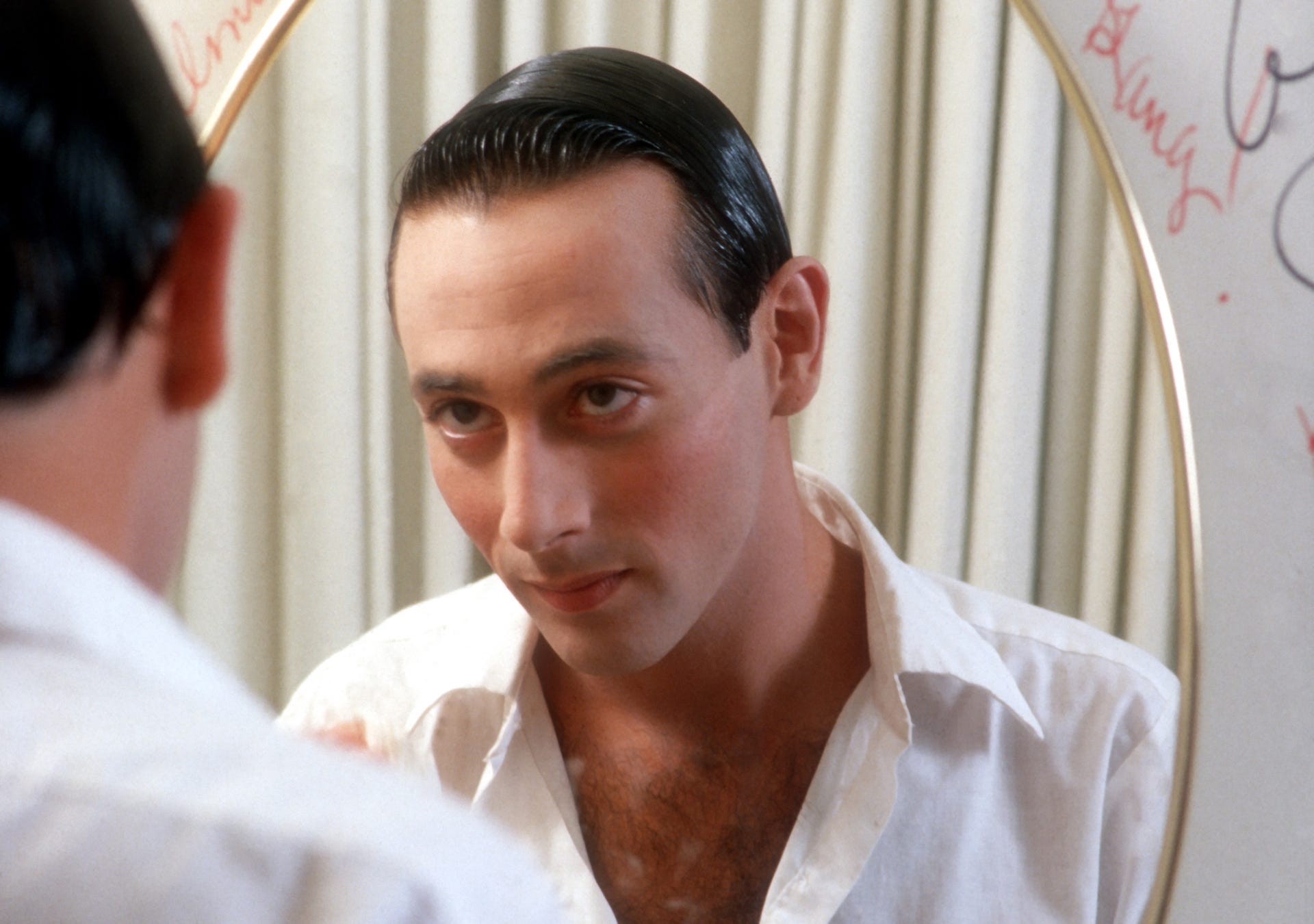
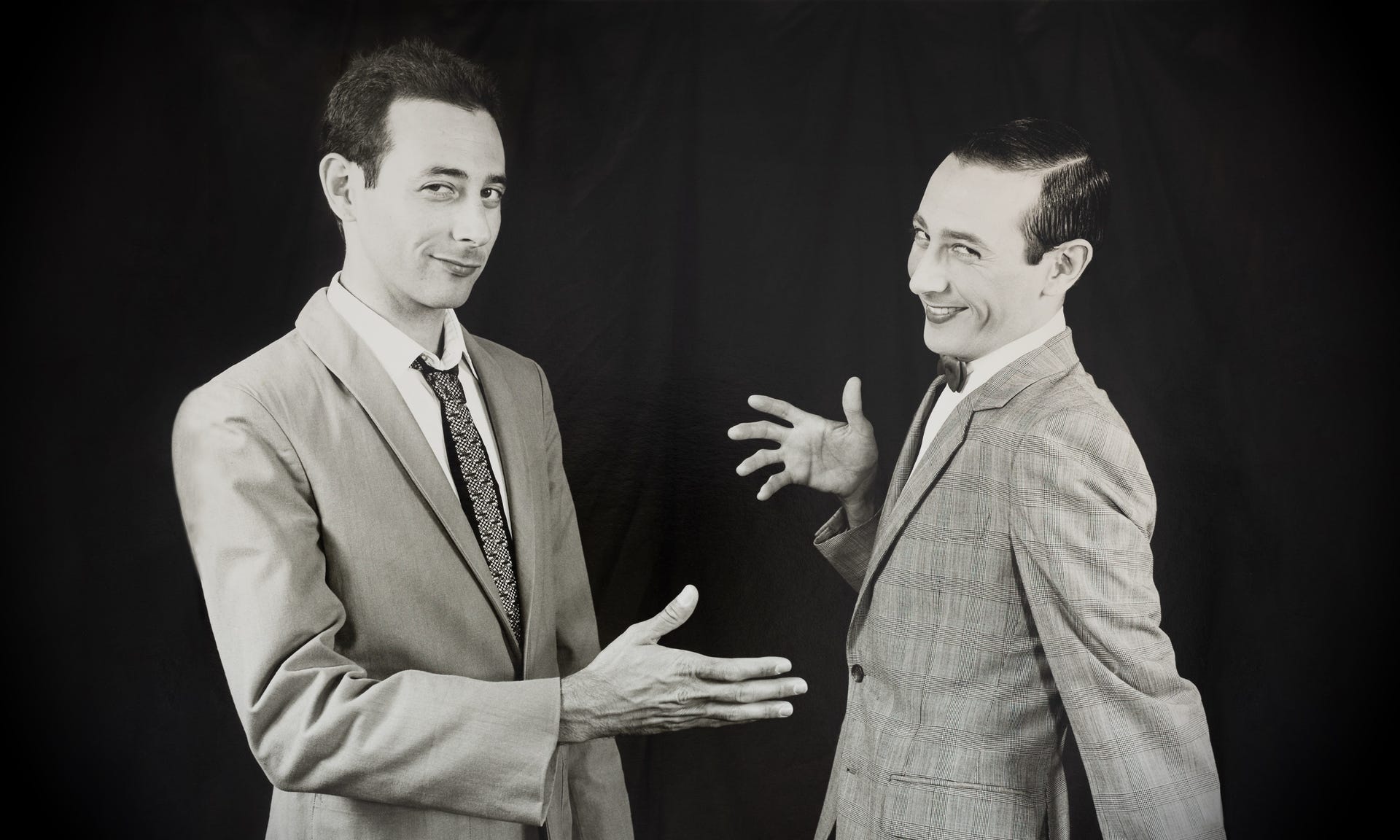
The subject of Pee-wee as Himself brought unique benefits, such as the complexity of Paul Reubens’s dual artistic identity, with his true self hidden behind his hugely popular comedic alter-ego, Pee-wee Herman. The film also presented unique challenges in that complexity, as well as the misfortune of unexpectedly losing Reubens to cancer before his planned participation had concluded.

Ahead of the documentary’s release on HBO Max, I got on a Zoom call with Wolf to discuss the making of Pee-wee as Himself and why it stands out in its genre. Our complete conversation can be found below with minor edits for clarity.

Nonfics is a reader-supported publication. To receive new posts and support my work, consider becoming a free or paid subscriber.

What made you want to make a film about Paul Reubens, a.k.a. Pee-wee Herman, at this time? You didn’t know he was dying and that we were running out of time with him, so how did the project begin, and why now?

Paul was my dream subject. Everybody asks a documentary filmmaker who they want to make a film about, and I would say him. And basically, I had made outreach efforts several times with no response. Then, finally, I read an article in a trade magazine saying that the Safdie brothers were working with Paul on his long-rumored dark Pee-wee film.

I know them, so I reached out and expressed that he was my dream subject, and it was not true that they were working together, but fortuitously, my producer Emma Koskoff was old friends with Paul. He had approached her saying, “I want to make a documentary; I don’t know how to go about doing this,” and she said, “Well why don’t you approach the Safdies?” given this news was out there, and they all kind of match made Paul and I.

“Paul was my dream subject.”

Then we had a Zoom in which Paul said exactly what he says at the beginning of the film, that he wants to make the film himself, everybody’s advising him against it, and he doesn’t know why. I said, “Well, I’m here to introduce you to me to direct the film; why don’t we get to know each other and maybe conceive of a way to do this?”

So he had already been actively trying to make a documentary?

Yeah, he was meeting with directors. He wanted there to be a documentary. He was also pursuing writing a book. He was ready to tell his story, but very wary of the documentary process or the idea that a documentary filmmaker could come in with final cut and use his life story as the raw material for their work.

That was always confounding to Paul, and he wanted to be very involved. He wanted it to be a collaborative process. Ultimately, he wanted to have a lot of control over the telling of his story.

Share

And that does happen a lot with these kinds of documentaries. I noticed that he had an executive producer credit. I assume that was agreed on before he passed?

I had final cut, and he would have meaningful consultation. That’s pretty commonplace nowadays. But it’s pretty ambiguous as to what that means. I think I was always clear that this wasn’t a puff piece, but it also wasn’t a hit piece. And that I would work with Paul and involve him on a day-to-day level to tell him what’s up and what I’m up to. To give him insight into how I’m seeing his story. I’m a very transparent person with everybody I make films with, so that didn’t bother me.

“I was always clear that this wasn’t a puff piece, but it also wasn’t a hit piece.”

But I think it became clearer that documentaries are made in post-production. A lot of these conversations that I was having with Paul was educating him about the process and explaining that documentaries aren’t scripted. We try to capture as much as possible and then craft the story from that. So, as much as I could tell him what my ideas were for the story, I wouldn’t know until I had a cut of the film, and I would show that cut of the film to him.

That was very anxiety-provoking for Paul, the idea that I’d run off and go do my thing. It resulted in a power struggle between us because I was pretty adamant that I would maintain my editorial control and integrity as an independent documentary filmmaker, and he was somebody who had lost control of his personal narrative in the media, so he was rightfully concerned about that all happening again.
Did you have an idea of what you wanted the film to be going in, and did that change because of his death?

Well, I knew that Paul wanted to, in his own words, set the record straight about his arrests, overcome those controversies, which are without a doubt an unfortunate footnote to his career. But I wanted to make a portrait of an artist. And to veer away from some of the tropes of celebrity documentary biopics that are out there, with other famous people singing platitudes and the performance of introspection that viewers are now very skeptical and critical of.

I told Paul that. I said, “If you like films that I’ve made, you’ve gotta let me do my thing and make a portrait of you. That involves being complicated. People expect that you are complex, and you can portray a simple kind of flattened version of yourself, or you can share your authentic self with the world, and I think people will appreciate that.”

He made the decision early on that he wanted to come out in the documentary. And I’m gay and have made films about other gay artists, and I think that was a point of connection and also a point of alienation for him because I’m from a different generation and didn’t have to grapple with some of the things that he did. I think he was concerned that I would overly focus on that. Even more so than the arrests, which were not my point of entry or main interest in doing the documentary.

“I wanted to create a portrait with complexity and nuance that reappraised the significance of his art and made viewers question their own attachment to controversy.”

So, it was an ongoing debate, but it was something he was committed to doing, and together we found a way for him to do it on his own terms, and I was proud of him. But he knew he needed to address his arrests. He knew he wanted to discuss his sexuality. He was ambivalent about being a documentary subject, but he understood that people wanted to know Paul.

Share Nonfics

But in the end, he didn’t get to set the record straight. As you say in the film, he died before you could interview him about the arrests.

I think he did in the sense that he was able to address his arrests, but I don’t think when you say “set the record straight,” it means to defend yourself. I think it means to give the full context of what happened to him factually in his life, but also who he was internally as an artist and as a person, and the choices he made personally to bring us the artwork that is so beloved. There were a lot of sacrifices involved in that.

Paul made a conscious decision, as you see in the film, to separate himself from his alter-ego and to only appear in a public way as Pee-wee, because he wanted people to believe that Pee-wee was a real person. So he led this anonymous, very private life. He was closeted, and in a sense that served him very well professionally. Until it really didn’t, when he was arrested. I think that to set the record straight is to explain why he lived anonymously. It was for artistic and professional reasons and to help people understand how devastating it was for him when that careful calibration he created collapsed.

“The job of a documentary filmmaker is to make meaning out of the material they do have.”

In terms of presenting the facts around the arrest, that was sort of my job to do because once presented with the facts, it would clearly vindicate Paul from wrongdoing. And there was a lot of misinformation out there. So, in terms of what Paul’s ultimate goal was, I think on a superficial level it was to overcome the arrest, and on a deeper level it was to be known. In terms of what I wanted to do, I wanted to create a portrait with complexity and nuance that reappraised the significance of his art and made viewers question their own attachment to controversy.

Subscribe now

Was it still difficult to get through that section of the film where he doesn’t really appear? He’s kind of absent, and then you explain it in the titles why. There’s more where others are talking about him than before that. I assume that wasn’t your original intent because you had planned to interview him about that.

Paul died a week before we were scheduled to do the final interview. I, of course, had no awareness that he was terminally ill or really ill at all until the final conversation we had. Paul wanted to address those things; that’s why he recorded audio the day before he died.

When I went into the edit, I was pretty worried that the film might seem lopsided because Paul wasn’t able to address in the same level of granular detail these controversies in his life, but he had, I realized, discussed the arrests in sort of anecdotal or digressive ways over the course of our 40 hour interview. And he had been kind of interviewed on the record about his second arrest, and I was able to allow other people to flesh out his story.

To bring Paul back for final words — both very poignant words from the day before he died, but also deeper, more profound reflections on what he tried to accomplish as an artist in the world — I felt very fortunate that I had the material to bring him back at the end in a way that’s very emotionally compelling. But that was an editorial concern for me because, in some respect, even though I interviewed Paul for 40 hours, there is an incompleteness to that. Because of his death.

Did you ever want to talk to him — or did you talk to him — about the Phil Hartman fallout? The only side we get is Hartman’s, and he’s also gone now.

There’s all sorts of stuff I wish I had gotten. But as documentary filmmakers, we always miss things. Either if we’re filming verité [and] there are things we can’t be present for, or in an interview, there are limits to what you can accomplish. There are limits to what you can know about another person. You can get closer and closer and closer, and there are boundaries.

“I did everything I could to earn Paul’s trust, and I had to come to terms with the fact that Paul, for very specific and real reasons, was not necessarily a trusting person.”

There are always things one wishes they can have, but the job of a documentary filmmaker is to make meaning out of the material they do have. I had an embarrassment of riches and was also able to help tell the story directly through archival material or in the anecdotes of others.
Is it tough for you as a documentary filmmaker to feel your subject doesn’t trust you? Or to feel that they still think they’re in control?

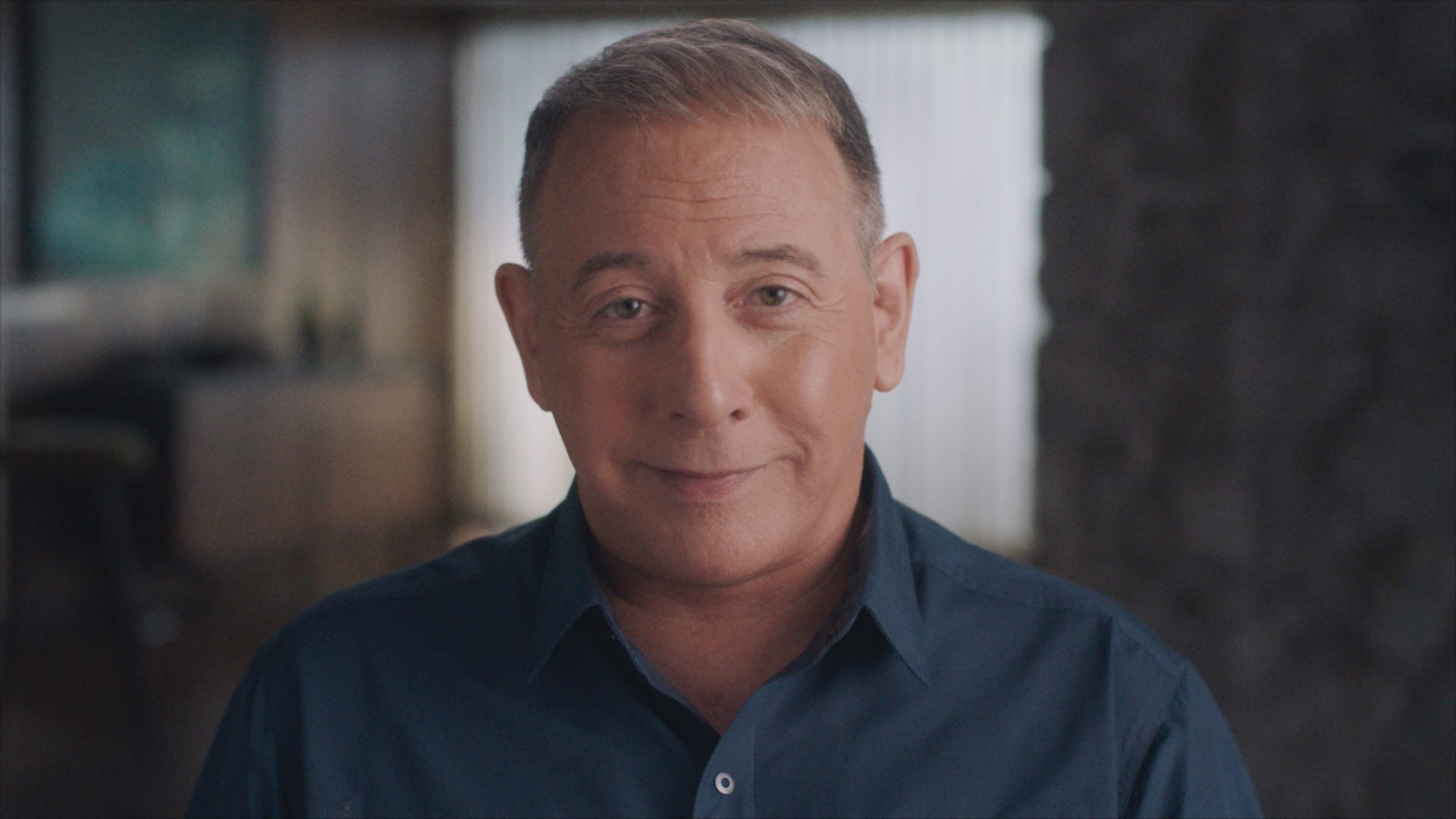
Yeah, it was really hard. I wanted to do everything in my power to earn Paul’s trust. I always say to people I’m making films about, “I don’t think trust should be expected, it has to be earned.” I did everything I could to earn Paul’s trust, and I had to come to terms with the fact that Paul, for very specific and real reasons, was not necessarily a trusting person. He said that himself.

People move through the world with baggage or trauma or issues that limit the level at which they’re able to trust, but it doesn’t mean they’re not able to connect. I was able to move through a process — granted with difficulty and struggle — but I was able to move through a process with Paul in which he was able to share himself despite his reservations.

Part of how we dealt with it was by discussing those directly in a sort of meta way in the film. And that I think was cathartic for Paul and important for him to articulate and say, “This isn’t my nature; it isn’t my nature to reveal all aspects of myself.” But he was committed to doing that. I had to accept the limits of his trust and the limits of my ability to control the process and just go with what was happening at hand.

Thanks for reading Nonfics! This post is public so feel free to share it.

Share

How different was this film to make compared to previous projects?

It was really different because I’ve made a lot of films about deceased subjects. And Paul was alive. That was incredible to have access to the mind, imagination, and personality of somebody as singular and influential as him, and it was also difficult because of his will and his agency and his confrontational style and his desire for control that he was always transparent about.

“I think the problem with a lot of these documentaries is that people speak about somebody else, but you don’t have a sense of who they are.”

Unfortunately, after Paul passed away, this film became more like other films I had made. It was as if I were dealing with a monumental archive in a kind of discovered interview, except that I had conducted that interview myself. So my process became pretty similar to how I make my other films, but through a very unfortunate term of events.

This is more a compliment than a question, but I was very impressed with the restraint you showed in featuring other famous people talking about Paul. I’m sure Laurence Fishburne, Natasha Lyonne, and others had soundbites that could have been easily inserted throughout the documentary, but you only include people when they’re part of and relevant to the story.

Because Paul is more compelling than anybody in the telling of his story. I had really extraordinary editorial freedom with this film. People really let me do my thing because of how complex the whole process had been. People gave me that trust, and I wanted the film, the primacy of the film, to be from Paul’s point of view. His point of view was obviously the most compelling.

I was looking for contrasting perspective or additional context where I could find it, and I wanted to show the consolation of personalities who gravitated around Pee-wee and Paul’s world. But the more Paul, the merrier, was everybody’s attitude. I think the problem with a lot of these documentaries is that people speak about somebody else, but you don’t have a sense of who they are. When I have additional interviewees or subjects in a film, they have to feel like three-dimensional humans that you understand the nature of their relationship with Paul.

There are a lot of other people actually in the film. It’s just such a long film, it doesn’t feel like it. But you have a sense of who those people are and how they relate to Paul in the trajectory of his life. I was pretty particular about who I chose, and I did interview other people who weren’t included in the film, but the goal was always to prioritize Paul telling his own story.

Given the negative attitude toward celebrity documentaries overall lately, was that a concern while making the film? Did you make an effort to do something different?

I always said to Paul, “I don’t want to make a celebrity documentary. Everybody’s exhausted by them, and they’re kind of throwaways sometimes.” There are good celebrity documentaries. It’s interesting, early in my career, an executive said to me, “People want to see things that they already know about. They want to hear more about what they already know. They don’t want to hear about things that they know nothing about.” Which I thought at the time was incredibly cynical, but I recognize now, as an older person, that that is true. For better or worse.

“I often make films about unconventional visionaries who beg for reappraisal. Paul was that.”

Paul was a unique subject in that a large amount of people know who Pee-wee Herman is, but they know nothing about Paul, so it’s the best of both worlds. You have the entry point of people knowing who this subject is, but he is a completely different, unfamiliar, and unknown person. It’s sort of like in my wheelhouse. I don’t know if I’m ever going to make another film about someone who has this much public interest. It just happened to be such a me subject and a me world that also happened to be mainstream.

I think people I work with and people who watch my films will see that it really was a synthesis of a lot of things I’ve done. It’s not really a departure, even though Pee-wee is a known entity. Paul wasn’t. I often make films about unconventional visionaries who beg for reappraisal. Paul was that. In some ways, he was hidden in plain sight, even though he had had such an enduring and deep impact on so many people.

In the film, Paul says he only liked one of your films. Did he tell you which?

He liked two. The reason he decided to work together was because of my first film [Wild Combination: A Portrait of Arthur Russell]. I think that film really moved Paul. It’s about an experimental musician who aspired to be a part of mainstream pop music but died prematurely of AIDS. The film brings his story to life and is really a love story between him and his boyfriend at that time.

I think there’s a world in which Paul would have become an experimental underground performer. Where he wouldn’t have become a mainstream pop culture figure. I can’t speak for Paul in any way, but I know that that aspect or time in his life was a very special time for him, and that there is something kind of dreamy about that artistic period in his life. He responded to the dreaminess of that film artistically and I think he connected emotionally to Arthur Russell’s music and the filmmaking, and that’s why he decided to work with me.

Nonfics is a reader-supported publication. To receive new posts and support my work, consider becoming a free or paid subscriber.

Uncategorized Comments are off
20 May 2025

Interview: Matt Wolf On ‘Pee-wee As Himself’

Written by Paul Moon

With the two-part documentary Pee-wee as Himself, Matt Wolf proves, yet again, that celebrity-focused films are not all disposable fluff. They just need great filmmakers like Wolf (or Morgan Neville, Davis Guggenheim, Lana Wilson, Reginald Hudlin, R.J. Cutler, Susan Lacy, Ryan White, Asif Kapadia, among others) to tell great stories and consciously avoid tropes, as they would with any of their subjects.

The subject of Pee-wee as Himself brought unique benefits, such as the complexity of Paul Reubens’s dual artistic identity, with his true self hidden behind his hugely popular comedic alter-ego, Pee-wee Herman. The film also presented unique challenges in that complexity, as well as the misfortune of unexpectedly losing Reubens to cancer before his planned participation had concluded.

Ahead of the documentary’s release on HBO Max, I got on a Zoom call with Wolf to discuss the making of Pee-wee as Himself and why it stands out in its genre. Our complete conversation can be found below with minor edits for clarity.

Nonfics is a reader-supported publication. To receive new posts and support my work, consider becoming a free or paid subscriber.

What made you want to make a film about Paul Reubens, a.k.a. Pee-wee Herman, at this time? You didn’t know he was dying and that we were running out of time with him, so how did the project begin, and why now?

Paul was my dream subject. Everybody asks a documentary filmmaker who they want to make a film about, and I would say him. And basically, I had made outreach efforts several times with no response. Then, finally, I read an article in a trade magazine saying that the Safdie brothers were working with Paul on his long-rumored dark Pee-wee film.

I know them, so I reached out and expressed that he was my dream subject, and it was not true that they were working together, but fortuitously, my producer Emma Koskoff was old friends with Paul. He had approached her saying, “I want to make a documentary; I don’t know how to go about doing this,” and she said, “Well why don’t you approach the Safdies?” given this news was out there, and they all kind of match made Paul and I.

“Paul was my dream subject.”

Then we had a Zoom in which Paul said exactly what he says at the beginning of the film, that he wants to make the film himself, everybody’s advising him against it, and he doesn’t know why. I said, “Well, I’m here to introduce you to me to direct the film; why don’t we get to know each other and maybe conceive of a way to do this?”

So he had already been actively trying to make a documentary?

Yeah, he was meeting with directors. He wanted there to be a documentary. He was also pursuing writing a book. He was ready to tell his story, but very wary of the documentary process or the idea that a documentary filmmaker could come in with final cut and use his life story as the raw material for their work.

That was always confounding to Paul, and he wanted to be very involved. He wanted it to be a collaborative process. Ultimately, he wanted to have a lot of control over the telling of his story.

Share

And that does happen a lot with these kinds of documentaries. I noticed that he had an executive producer credit. I assume that was agreed on before he passed?

I had final cut, and he would have meaningful consultation. That’s pretty commonplace nowadays. But it’s pretty ambiguous as to what that means. I think I was always clear that this wasn’t a puff piece, but it also wasn’t a hit piece. And that I would work with Paul and involve him on a day-to-day level to tell him what’s up and what I’m up to. To give him insight into how I’m seeing his story. I’m a very transparent person with everybody I make films with, so that didn’t bother me.

“I was always clear that this wasn’t a puff piece, but it also wasn’t a hit piece.”

But I think it became clearer that documentaries are made in post-production. A lot of these conversations that I was having with Paul was educating him about the process and explaining that documentaries aren’t scripted. We try to capture as much as possible and then craft the story from that. So, as much as I could tell him what my ideas were for the story, I wouldn’t know until I had a cut of the film, and I would show that cut of the film to him.

That was very anxiety-provoking for Paul, the idea that I’d run off and go do my thing. It resulted in a power struggle between us because I was pretty adamant that I would maintain my editorial control and integrity as an independent documentary filmmaker, and he was somebody who had lost control of his personal narrative in the media, so he was rightfully concerned about that all happening again.

Did you have an idea of what you wanted the film to be going in, and did that change because of his death?

Well, I knew that Paul wanted to, in his own words, set the record straight about his arrests, overcome those controversies, which are without a doubt an unfortunate footnote to his career. But I wanted to make a portrait of an artist. And to veer away from some of the tropes of celebrity documentary biopics that are out there, with other famous people singing platitudes and the performance of introspection that viewers are now very skeptical and critical of.

I told Paul that. I said, “If you like films that I’ve made, you’ve gotta let me do my thing and make a portrait of you. That involves being complicated. People expect that you are complex, and you can portray a simple kind of flattened version of yourself, or you can share your authentic self with the world, and I think people will appreciate that.”

He made the decision early on that he wanted to come out in the documentary. And I’m gay and have made films about other gay artists, and I think that was a point of connection and also a point of alienation for him because I’m from a different generation and didn’t have to grapple with some of the things that he did. I think he was concerned that I would overly focus on that. Even more so than the arrests, which were not my point of entry or main interest in doing the documentary.

“I wanted to create a portrait with complexity and nuance that reappraised the significance of his art and made viewers question their own attachment to controversy.”

So, it was an ongoing debate, but it was something he was committed to doing, and together we found a way for him to do it on his own terms, and I was proud of him. But he knew he needed to address his arrests. He knew he wanted to discuss his sexuality. He was ambivalent about being a documentary subject, but he understood that people wanted to know Paul.

Share Nonfics

But in the end, he didn’t get to set the record straight. As you say in the film, he died before you could interview him about the arrests.

I think he did in the sense that he was able to address his arrests, but I don’t think when you say “set the record straight,” it means to defend yourself. I think it means to give the full context of what happened to him factually in his life, but also who he was internally as an artist and as a person, and the choices he made personally to bring us the artwork that is so beloved. There were a lot of sacrifices involved in that.

Paul made a conscious decision, as you see in the film, to separate himself from his alter-ego and to only appear in a public way as Pee-wee, because he wanted people to believe that Pee-wee was a real person. So he led this anonymous, very private life. He was closeted, and in a sense that served him very well professionally. Until it really didn’t, when he was arrested. I think that to set the record straight is to explain why he lived anonymously. It was for artistic and professional reasons and to help people understand how devastating it was for him when that careful calibration he created collapsed.

“The job of a documentary filmmaker is to make meaning out of the material they do have.”

In terms of presenting the facts around the arrest, that was sort of my job to do because once presented with the facts, it would clearly vindicate Paul from wrongdoing. And there was a lot of misinformation out there. So, in terms of what Paul’s ultimate goal was, I think on a superficial level it was to overcome the arrest, and on a deeper level it was to be known. In terms of what I wanted to do, I wanted to create a portrait with complexity and nuance that reappraised the significance of his art and made viewers question their own attachment to controversy.

Subscribe now

Was it still difficult to get through that section of the film where he doesn’t really appear? He’s kind of absent, and then you explain it in the titles why. There’s more where others are talking about him than before that. I assume that wasn’t your original intent because you had planned to interview him about that.

Paul died a week before we were scheduled to do the final interview. I, of course, had no awareness that he was terminally ill or really ill at all until the final conversation we had. Paul wanted to address those things; that’s why he recorded audio the day before he died.

When I went into the edit, I was pretty worried that the film might seem lopsided because Paul wasn’t able to address in the same level of granular detail these controversies in his life, but he had, I realized, discussed the arrests in sort of anecdotal or digressive ways over the course of our 40 hour interview. And he had been kind of interviewed on the record about his second arrest, and I was able to allow other people to flesh out his story.

To bring Paul back for final words — both very poignant words from the day before he died, but also deeper, more profound reflections on what he tried to accomplish as an artist in the world — I felt very fortunate that I had the material to bring him back at the end in a way that’s very emotionally compelling. But that was an editorial concern for me because, in some respect, even though I interviewed Paul for 40 hours, there is an incompleteness to that. Because of his death.

Did you ever want to talk to him — or did you talk to him — about the Phil Hartman fallout? The only side we get is Hartman’s, and he’s also gone now.

There’s all sorts of stuff I wish I had gotten. But as documentary filmmakers, we always miss things. Either if we’re filming verité [and] there are things we can’t be present for, or in an interview, there are limits to what you can accomplish. There are limits to what you can know about another person. You can get closer and closer and closer, and there are boundaries.

“I did everything I could to earn Paul’s trust, and I had to come to terms with the fact that Paul, for very specific and real reasons, was not necessarily a trusting person.”

There are always things one wishes they can have, but the job of a documentary filmmaker is to make meaning out of the material they do have. I had an embarrassment of riches and was also able to help tell the story directly through archival material or in the anecdotes of others.

Is it tough for you as a documentary filmmaker to feel your subject doesn’t trust you? Or to feel that they still think they’re in control?

Yeah, it was really hard. I wanted to do everything in my power to earn Paul’s trust. I always say to people I’m making films about, “I don’t think trust should be expected, it has to be earned.” I did everything I could to earn Paul’s trust, and I had to come to terms with the fact that Paul, for very specific and real reasons, was not necessarily a trusting person. He said that himself.

People move through the world with baggage or trauma or issues that limit the level at which they’re able to trust, but it doesn’t mean they’re not able to connect. I was able to move through a process — granted with difficulty and struggle — but I was able to move through a process with Paul in which he was able to share himself despite his reservations.

Part of how we dealt with it was by discussing those directly in a sort of meta way in the film. And that I think was cathartic for Paul and important for him to articulate and say, “This isn’t my nature; it isn’t my nature to reveal all aspects of myself.” But he was committed to doing that. I had to accept the limits of his trust and the limits of my ability to control the process and just go with what was happening at hand.

Thanks for reading Nonfics! This post is public so feel free to share it.

Share

How different was this film to make compared to previous projects?

It was really different because I’ve made a lot of films about deceased subjects. And Paul was alive. That was incredible to have access to the mind, imagination, and personality of somebody as singular and influential as him, and it was also difficult because of his will and his agency and his confrontational style and his desire for control that he was always transparent about.

“I think the problem with a lot of these documentaries is that people speak about somebody else, but you don’t have a sense of who they are.”

Unfortunately, after Paul passed away, this film became more like other films I had made. It was as if I were dealing with a monumental archive in a kind of discovered interview, except that I had conducted that interview myself. So my process became pretty similar to how I make my other films, but through a very unfortunate term of events.

This is more a compliment than a question, but I was very impressed with the restraint you showed in featuring other famous people talking about Paul. I’m sure Laurence Fishburne, Natasha Lyonne, and others had soundbites that could have been easily inserted throughout the documentary, but you only include people when they’re part of and relevant to the story.

Because Paul is more compelling than anybody in the telling of his story. I had really extraordinary editorial freedom with this film. People really let me do my thing because of how complex the whole process had been. People gave me that trust, and I wanted the film, the primacy of the film, to be from Paul’s point of view. His point of view was obviously the most compelling.

I was looking for contrasting perspective or additional context where I could find it, and I wanted to show the consolation of personalities who gravitated around Pee-wee and Paul’s world. But the more Paul, the merrier, was everybody’s attitude. I think the problem with a lot of these documentaries is that people speak about somebody else, but you don’t have a sense of who they are. When I have additional interviewees or subjects in a film, they have to feel like three-dimensional humans that you understand the nature of their relationship with Paul.

There are a lot of other people actually in the film. It’s just such a long film, it doesn’t feel like it. But you have a sense of who those people are and how they relate to Paul in the trajectory of his life. I was pretty particular about who I chose, and I did interview other people who weren’t included in the film, but the goal was always to prioritize Paul telling his own story.

Given the negative attitude toward celebrity documentaries overall lately, was that a concern while making the film? Did you make an effort to do something different?

I always said to Paul, “I don’t want to make a celebrity documentary. Everybody’s exhausted by them, and they’re kind of throwaways sometimes.” There are good celebrity documentaries. It’s interesting, early in my career, an executive said to me, “People want to see things that they already know about. They want to hear more about what they already know. They don’t want to hear about things that they know nothing about.” Which I thought at the time was incredibly cynical, but I recognize now, as an older person, that that is true. For better or worse.

“I often make films about unconventional visionaries who beg for reappraisal. Paul was that.”

Paul was a unique subject in that a large amount of people know who Pee-wee Herman is, but they know nothing about Paul, so it’s the best of both worlds. You have the entry point of people knowing who this subject is, but he is a completely different, unfamiliar, and unknown person. It’s sort of like in my wheelhouse. I don’t know if I’m ever going to make another film about someone who has this much public interest. It just happened to be such a me subject and a me world that also happened to be mainstream.

I think people I work with and people who watch my films will see that it really was a synthesis of a lot of things I’ve done. It’s not really a departure, even though Pee-wee is a known entity. Paul wasn’t. I often make films about unconventional visionaries who beg for reappraisal. Paul was that. In some ways, he was hidden in plain sight, even though he had had such an enduring and deep impact on so many people.

In the film, Paul says he only liked one of your films. Did he tell you which?

He liked two. The reason he decided to work together was because of my first film [Wild Combination: A Portrait of Arthur Russell]. I think that film really moved Paul. It’s about an experimental musician who aspired to be a part of mainstream pop music but died prematurely of AIDS. The film brings his story to life and is really a love story between him and his boyfriend at that time.

I think there’s a world in which Paul would have become an experimental underground performer. Where he wouldn’t have become a mainstream pop culture figure. I can’t speak for Paul in any way, but I know that that aspect or time in his life was a very special time for him, and that there is something kind of dreamy about that artistic period in his life. He responded to the dreaminess of that film artistically and I think he connected emotionally to Arthur Russell’s music and the filmmaking, and that’s why he decided to work with me.

Nonfics is a reader-supported publication. To receive new posts and support my work, consider becoming a free or paid subscriber.

Uncategorized Comments are off
19 May 2025

That Doc on Shia LaBeouf’s Acting School Is Even Crazier Than You’ve Heard

Written by Paul Moon

Premiering at Cannes and shot by one of his former students, Slauson Rec chronicles the theater collective that LaBeouf co-founded in South Central L.A. He comes off like a monster

Uncategorized Comments are off
18 May 2025

DJI Mavic 4 Pro Review & Panasonic LUMIX S1II Mini-Doc | S1II Lab Test | S1IIE | LUMIX 24-60mm Lens

Written by Paul Moon

DJI Mavic 4 Pro vs Panasonic LUMIX S1II – Which is the ultimate creator tool? 🎥 In this episode of CineD’s Focus Check Podcast, Nino Leitner and Johnnie Behiri dive deep into DJI’s latest flagship drone with triple usable cameras, true D-Log across the board, and a 360° rotating gimbal. Plus, they unpack Panasonic’s powerful new S1II and S1IIE full-frame mirrorless cameras – with ProRes RAW, stacked sensor tech, and our exclusive lab test results.

Both Nino and Johnnie share their hands-on experiences and give you in-depth insights into working with the newest gear.

Tune in and get all the details!

Sponsor: This episode is sponsored by FUJIFILM. Check it out at 20:58


Apple Podcasts Apple Podcasts


Spotify Spotify


Amazon Music Amazon Music


PlayerFM PlayerFM


iHeart Radio iHeart Radio


YouTube

Chapters & Articles Mentioned in This Episode:

00:00 –  Intro

02:17 – DJI Mavic 4 Pro First Look Review – D-Log 10-Bit on All Cameras, 6K Video, and a Fully Rotating Gimbal

https://www.cined.com/dji-mavic-4-pro-first-look-review-d-log-10-bit-on-all-cameras-6k-video-and-a-fully-rotating-gimbal/

29:28 – Panasonic LUMIX S1II Camera Released – Partially Stacked Sensor, 5.9K 60fps, Open Gate, Internal ProRes RAW, and More

https://www.cined.com/panasonic-lumix-s1ii-camera-released-partially-stacked-sensor-5-9k-60fps-open-gate-internal-prores-raw-and-more/

Panasonic LUMIX S1II Review – First Impression and a Mini-Documentary

https://www.cined.com/panasonic-lumix-s1ii-review-first-impression-and-a-mini-documentary/

 47:43 – Panasonic Future Firmware Updates for the LUMIX S1II, S1IIE and S1RII Announced

https://www.cined.com/panasonic-future-firmware-updates-for-the-lumix-s1ii-s1iie-and-s1rii-announced/

49:03 – Panasonic LUMIX S1IIE Camera Announced – the “Essential” Version of the S1II

https://www.cined.com/panasonic-lumix-s1iie-camera-announced-the-essential-version-of-the-s1ii/

52:25 – Panasonic LUMIX S 24-60mm f/2.8 Standard Zoom Lens for L-Mount Released – Compact and Lightweight

LUMIX S 24-60mm f/2.8 lens. Source: Panasonic

https://www.cined.com/panasonic-lumix-s-24-60mm-f-2-8-standard-zoom-lens-for-l-mount-released-compact-and-lightweight/

56:47 – Panasonic LUMIX S1II Lab Test – Rolling Shutter, Dynamic Range, and Exposure Latitude

https://www.cined.com/panasonic-lumix-s1ii-lab-test-rolling-shutter-dynamic-range-and-exposure-latitude/

We hope you enjoyed this episode!
You have feedback, comments, or suggestions? Write us at podcast@cined.com 

Uncategorized Comments are off
18 May 2025

‘Deaf President Now!’ Review

Written by Paul Moon

Dubbing ASL rather than captioning signers in a documentary seems like the wrong choice, but it worked for Alex Gibney’s Mea Maxima Culpa: Silence in the House of God, and now it’s allowed and effective in Deaf President Now!, which is directed by Deaf actor-turned-filmmaker Nyle DiMarco and Oscar winner Davis Guggenheim (An Inconvenient Truth). Like Mea Maxima Culpa, this film casts professional actors to give voice to the four core interviewees, with Captain America: Brave New World’s Tim Blake Nelson being the most recognizable.

From the start, I wondered how using captions for the sign language could have been just as successful while being more respectful. This is a visual medium, so I think it would have been fine, but historical documentaries as dynamic as Deaf President Now! require a lot of editing, and for a typical overlay of continued commentary as the film cuts to other visual material — likely archival footage — an audio element presumably plays better than a throughline of words on screen.

Nonfics is a reader-supported publication. To receive new posts and support my work, consider becoming a free or paid subscriber.

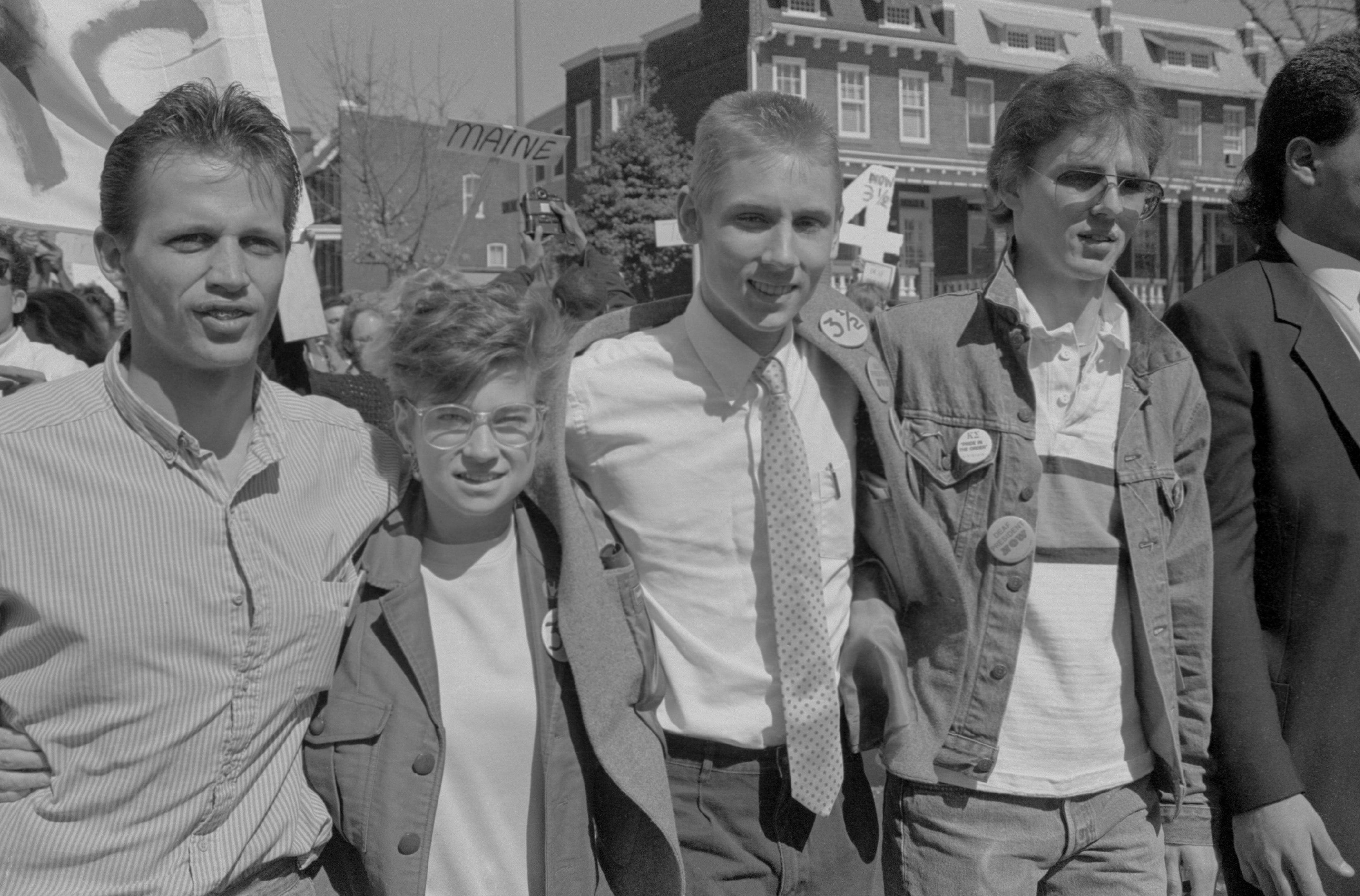
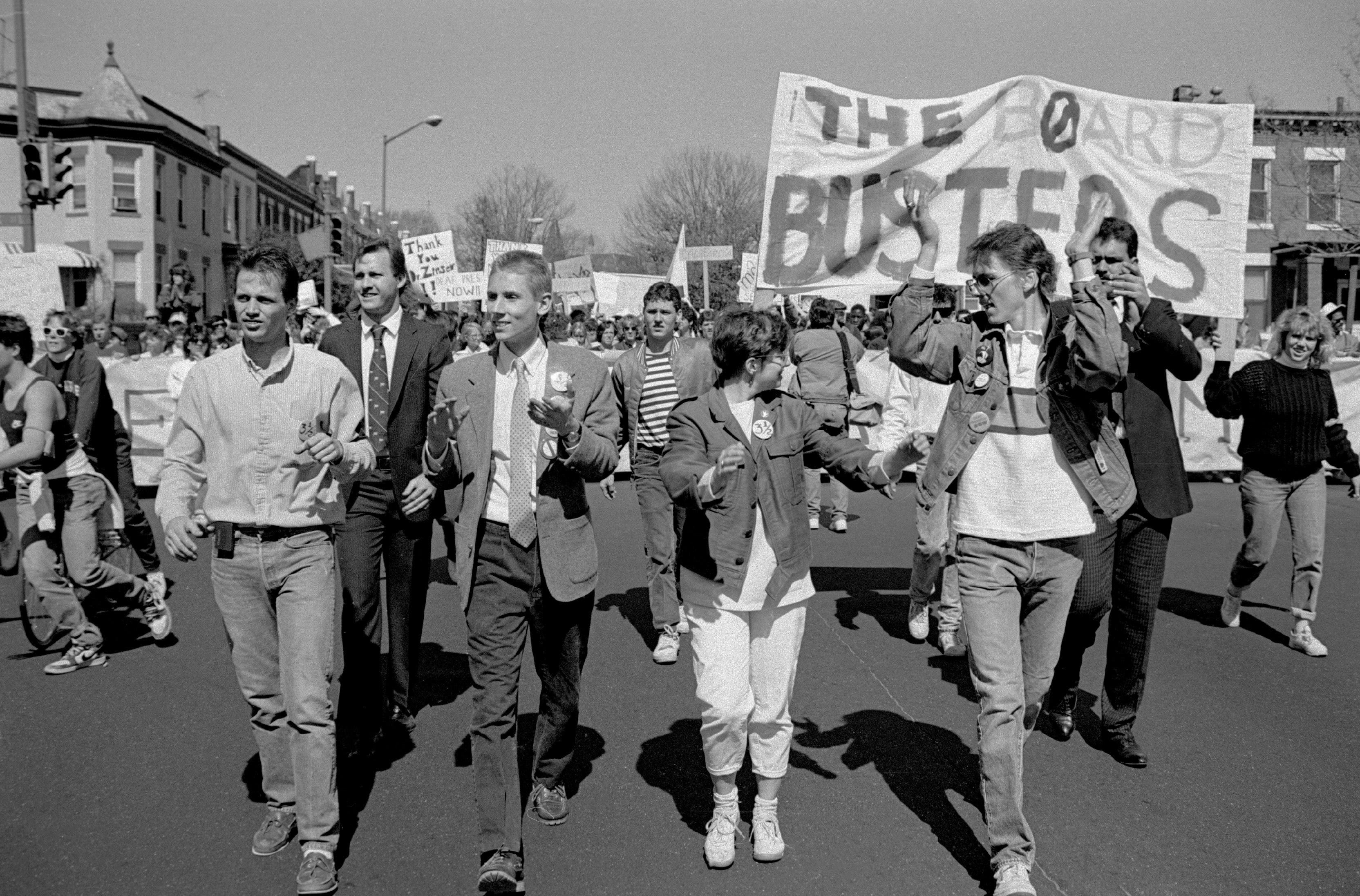
Deaf President Now! aims to be fast-paced and feel present in the moment of its storytelling. The film opens with a title stating that it “takes place” during one week in 1988, an unusual explanation for any documentary, let alone one that’s not entirely archival. But this statement emphasizes the tight timeframe of the titular protests at Gallaudet University, in which the all-Deaf student body rejected the latest appointment of yet another hearing candidate to lead the school. Demonstrations and the interruption of classes lasted from March 6 to March 13 and eventually garnered national media attention, resulting in the students’ demand being met.

Tim Rarus, Bridgetta Bourne-Firl, Jerry Covell, and Greg Hlibok were all significant participants in the protest, and all appear in the film collectively telling the whole story (and their personal stories) with great excitement and passion, their energy matched by the pace of the editing. The documentary calls to mind similar activism success stories such as Crip Camp and How to Survive a Plague, but while it’s just as rousing in its tone, it feels more involving as it immerses the audience in the urgency of that week and this cause.

Deaf President Now! gives an impression of being a powerful film in the way it so engagingly chronicles such a powerful achievement. As an inspiration to others in this time of need for fighters like Rarus, Bourne-Firl, Covell, and Hlibok, for related and unrelated goals, the documentary could live up to that impression. As a look back, it’s a thrilling depiction of deserving and determined heroes standing their ground and effecting change for something that should have seemed obviously their right to proper representation in leadership.

The film is also a triumph in its sound design, perhaps ironically. In various scenes, mostly those involving archival footage of crowds at the protests, the audio is dropped so that the audience experiences the moment as the students would have. It might only be appreciated by the hearing viewers, but it assists the documentary’s efforts to draw an empathetic response from them. Other instances of notable sound design include shots where the dubbed voices aren’t employed, as the filmmakers trust the audience to understand what’s being signed then. Even if one could question whether Deaf President Now! always makes the right choices, it’s filled with very smart ones.

Thanks for reading Nonfics! This post is public so feel free to share it.

Share

Uncategorized Comments are off
18 May 2025

This Week In Documentary

Written by Paul Moon

As we enter the second half of May, favorites from the early film festivals of the year are starting to release publicly for theatrical and streaming audiences. This week, I review one of the biggest documentaries of the year and a couple of small features, and they couldn’t be any more different. The former made its debut at Sundance, won the Audience Award at SXSW, and made appearances at True/False, Hot Docs, Doc10, Full Frame, IFF Boston, and other notable nonfiction-heavy fests before landing as our Pick of the Week for its streaming debut this weekend.

Find that top-recommended title below, along with the other highlights, including more nonfiction film and series endorsements, followed by daily listings for documentary releases and a brief look at what’s coming soon for doc fans.

Nonfics Pick: Deaf President Now! (2025)

Directed by Deaf actor-turned-filmmaker Nyle DiMarco and Oscar winner Davis Guggenheim (Still: A Michael J. Fox Movie), Deaf President Now! is a documentary feature that “takes place” across one week in March 1988 when students at the all-Deaf school Gallaudet University protested the appointment of yet another hearing person to lead the institution despite there being more appropriate candidates. Here’s an excerpt from my review of Deaf President Now! posted this week:

“Tim Rarus, Bridgetta Bourne-Firl, Jerry Covell, and Greg Hlibok were all significant participants in the protest, and all appear in the film collectively telling the whole story (and their personal stories) with great excitement and passion, their energy matched by the pace of the editing. The documentary calls to mind similar activism success stories such as Crip Camp and How to Survive a Plague, but while it’s just as rousing in its tone, it feels more involving as it immerses the audience in the urgency of that week and this cause.

“Deaf President Now! gives an impression of being a powerful film in the way it so engagingly chronicles such a powerful achievement. As an inspiration to others in this time of need for fighters like Rarus, Bourne-Firl, Covell, and Hlibok, for related and unrelated goals, the documentary could live up to that impression. As a look back, it’s a thrilling depiction of deserving and determined heroes standing their ground and effecting change for something that should have seemed obviously their right to proper representation in leadership.”

Deaf President Now! begins streaming on Apple TV+ on Friday, May 16.

Nonfics is a reader-supported publication. To receive new posts and support my work, consider becoming a free or paid subscriber.


Other Documentary Highlights

E. 1027 – Eileen Gray and the House by the Sea

A.K. (1985)

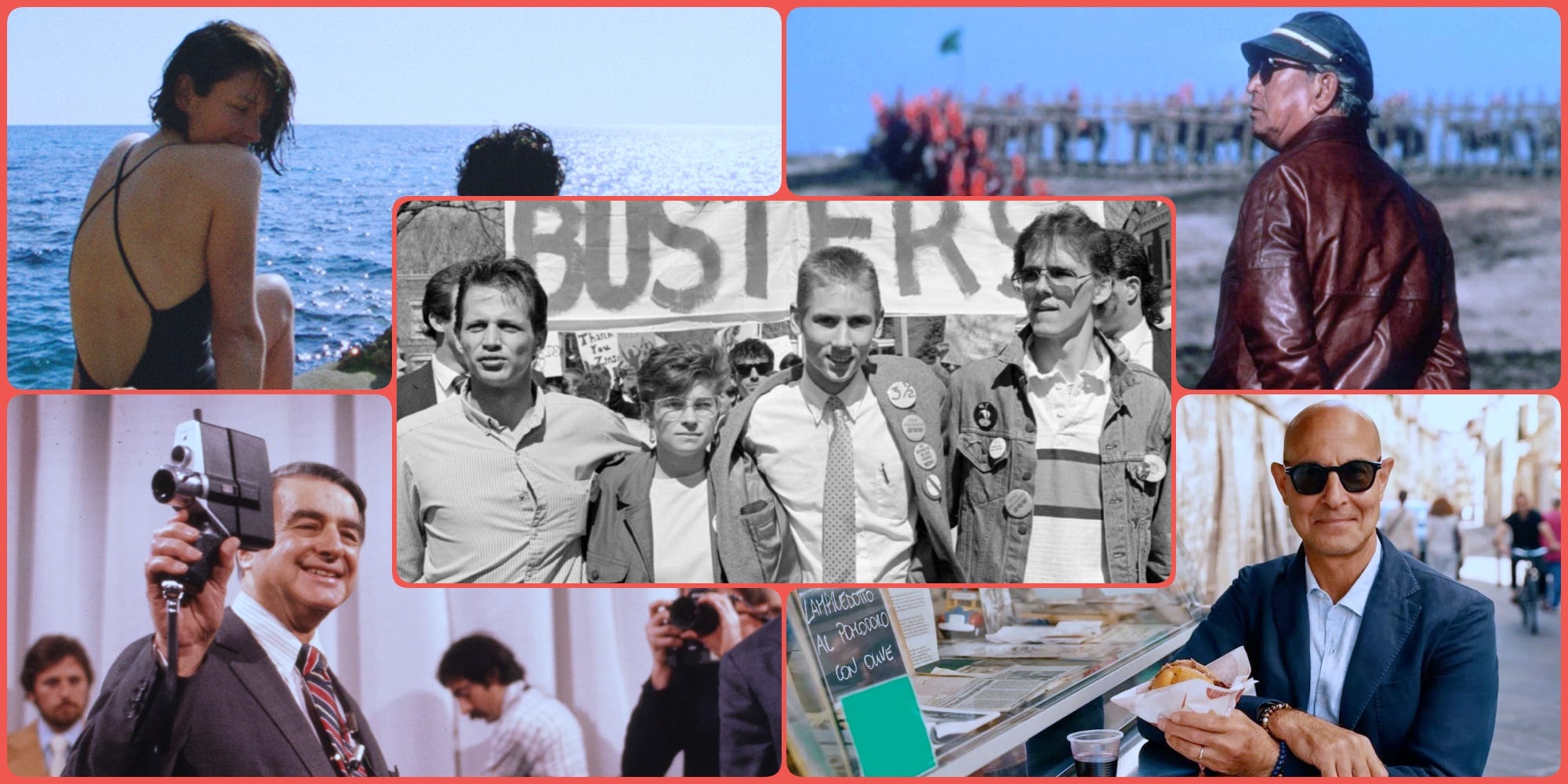
This month marks the 40th anniversary of Akira Kurosawa’s Ran, an epic samurai film based on Shakespeare’s King Lear. For the occasion, it’s being rereleased in 4K next Friday. This week, however, marks the 40th anniversary of the Cannes Film Festival premiere of Chris Marker’s A.K., a documentary about the production of Ran. Yes, the making-of documentary arrived earlier, on May 17, than the film itself, which was finished too late for Cannes and instead made its debut in Japanese theaters at the end of the month.

A.K. is not as widely available as its counterpart, and it won’t be rereleased alongside Ran, but it’s worth watching both together for their joint anniversaries. Marker’s film is among Alex Winter’s favorite documentaries, too. He told us, “I grew up and was always a Chris Marker fan since I was really young. Sans Soleil, La Jetée, A.K. I love Chris Marker. He’s another person like Wiseman who I would never attempt to do what he does because it’s just not possible for average human beings, but it is really lovely and unique.”

A.K. is streaming for free via the Internet Archive.

E. 1027 – Eileen Gray And The House By The Sea (2024)

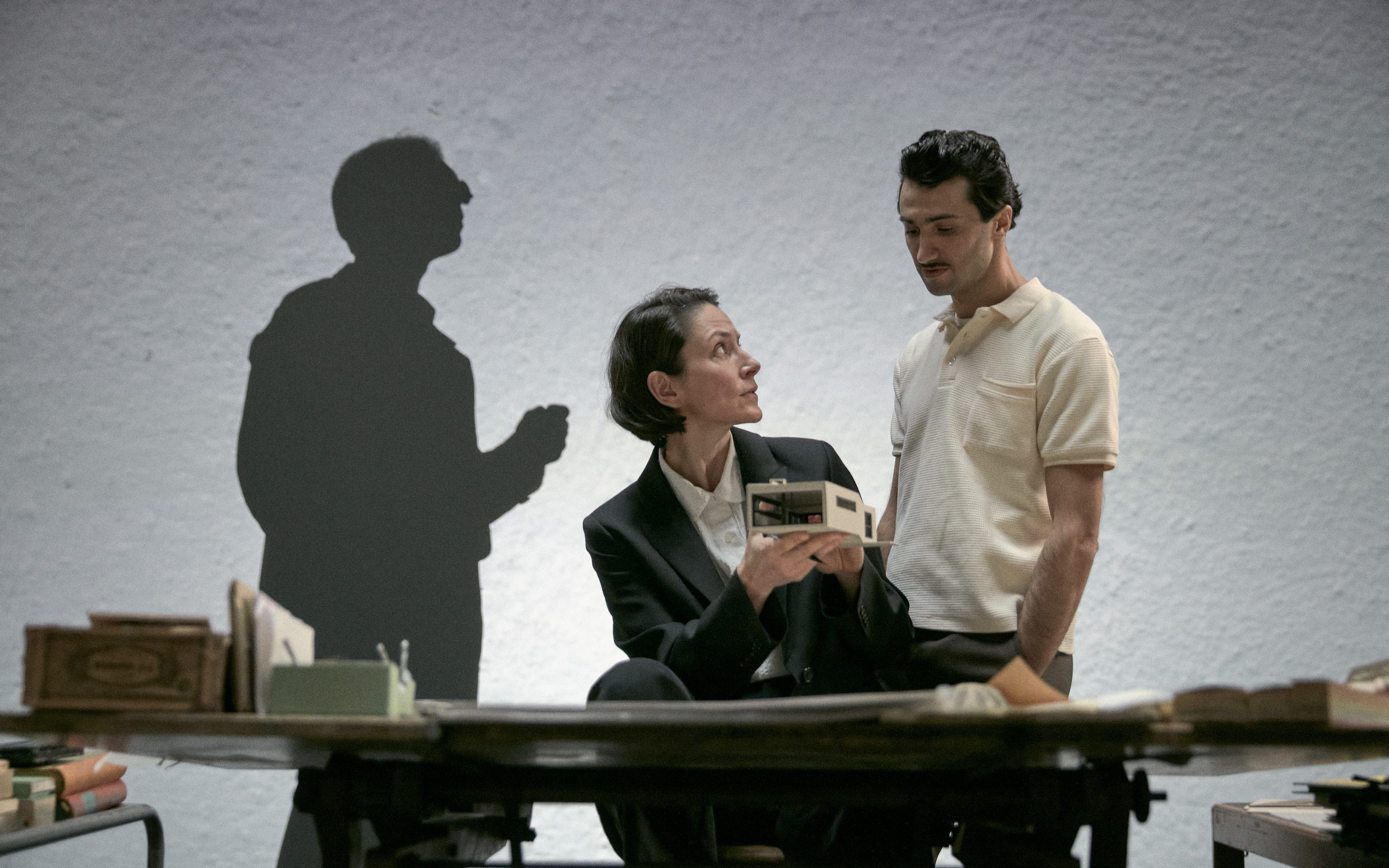
A lot of docudrama hybrid films seem to take that route just to be artsy, or it’s a necessity because of a lack of archival footage that warrants dramatizations. E. 1027 – Eileen Gray and the House by the Sea presents a story that wouldn’t have worked as either a straight drama or a conventional documentary, regardless of its means. The film is not a biography of the titular furniture designer but focuses specifically on an architectural project she collaborated on with her then-lover Jean Badovici.

The house, a French seaside villa dubbed E. 1027, is quite hideous, in my opinion, and I wouldn’t have been interested in a documentary where modern critics and art historians tried to convince me otherwise. I also don’t think the space could have been conveyed as well as it is in this film, as a location lived in by characters rather than a piece to be toured and exhibited with the camera. Especially since it’s a dwelling in the story at hand, not the museum it’s become — we do see how it functions now at the end of the documentary, though.

I also find the murals that Le Corbusier painted on E. 1027’s walls, to the disapproval and offense of Gray, hideous as well, making the house even uglier. But the drama that unfolds via acted-out scenes and scripted voiceover narration is intriguing. I think my dislike of the artworks involved makes it even more enticing, as it’s more about the people, and they are far more interesting than those pieces. Just not interesting enough for a narrative film without the expositional aspect of the documentary side.

E. 1027 – Eileen Gray and the House by the Sea opens in theaters on Friday, May 16.

Mr. Polaroid (2025)

There are many documentaries that cater to fans of their subject matter. For instance, architecture enthusiasts or fans of Eileen Gray are perhaps the target audience of E.1027. Then there are documentaries that cater to those of us who want to just turn on a film and learn about whatever. Sure, Mr. Polaroid will appeal especially to viewers already into photography, but as a biography of Edwin H. Land, it’s a fascinating tale that anyone should enjoy. Then rave about all they learned from it at a dinner party.

Land was the inventor behind Polaroid cameras and other innovations, and this installment of American Experience perfectly portrays his drive, his genius, and his ups and downs as a progressive employer who also, disappointingly, had business dealings with the apartheid regime in South Africa. Mr. Polaroid is a packed but breezy documentary at just under an hour in length, a very satisfying infotainment mix. I could easily see a decent biopic being made about Land, but this is all we really need.

Mr. Polaroid will air as an episode of American Experience on PBS on Monday, May 19.

Tucci In Italy (2025)

I’ll always find it painful to watch culinary shows where some lucky host gets to tour the world and taste the best of the best, attempting to communicate the experience while uttering only the words “it’s so good!” in the moment but stringing together a deeply thoughtful (scripted) voiceover to play over the scene. How can we not be more envious than entertained?

That said, I’ve been following Stanley Tucci as a guide to the most mouth-watering visuals of Italian cuisine since he starred in his and Campbell Scott’s foodie drama Big Night. And I continue to be a fan of him in Tucci in Italy, his latest docuseries in which he traverses his ancestral country and samples traditional and elevated local dishes. It’s kind of a sequel to his show Stanley Tucci: Searching for Italy, only on a different channel. If you liked that one, chances are you’re already looking forward to this.

Plus, it was just nominated for two Critics Choice Real TV Awards, for Best Limited Series and Male Star of the Year.

Tucci in Italy debuts its first two episodes on National Geographic on Sunday, May 18, with subsequent installments of the five-part series premiering on the following three Sundays. Episodes begin streaming on Disney+ and Hulu the next day.

Subscribe now


Documentary Release Calendar 5/16/25 – 5/22/25

Mr. Polaroid

Friday, May 16, 2025

Beirut Forever (2025) – A documentary about refugees in Lebanon. (In Theaters)

Deaf President Now! (2025) – A feature documentary by Oscar-winning filmmaker Davis Guggenheim and Nyle DiMarco about the push for a Deaf person to be hired as president of Gallaudet University, a school for the hard of hearing. Read our Deaf President Now! review. (Apple TV+)

E.1027 – Eileen Gray and the House by the Sea (2024) – A documentary about an architectural project by interior designer Eileen Gray. You can find our review of E.1027 in the highlights section above. (In Theaters)

High Noon on the Waterfront (2022) – A short documentary featuring the voices of actors Edward Norton and John Turturro about the impact of the Hollywood Blacklist on the films High Noon and On the Waterfront. (TCM)

Know Your Ally: Britain (1944) – A short documentary introducing the British people to Americans during World War II. (TCM)

MGM Parade Show #25 (1956) – This installment of the Hollywood-focused docuseries showcases the MGM films The Firefly and Meet Me in Las Vegas. (TCM)

The Quilters (2024) – A short documentary about men making quilts while serving time at the South Central Correctional Center. (Netflix)

Thunderbolts (1947) – An American World War II propaganda film about P-47 Thunderbolt bombings in Italy. (TCM)

Saturday, May 17, 2025

Faithful Unto Death (2024) – A documentary about pensioners in Latvia who need to live together to afford to survive. (In Theaters)

From Darkness to Light (2024) – A feature documentary about the unreleased Jerry Lewis movie The Day the Clown Cried. (TCM)

Headpin Hints (1955) – A short documentary in which a couple of pros give tips to young bowlers. (TCM)

New York Homicide Season 3, Episode 16: “The Don of the Diamond District” – The latest episode of this true-crime docuseries about recent murder cases in New York City involves Manhattan’s Diamond District. (Oxygen True Crime)

Plan for Destruction (1943) – An Oscar-nominated short about Nazi Germany’s plan for world domination. (TCM)

Rambling ‘Round Radio Row #7 (1933) – A short film with musical performances by the Rhythm Boys, Tito Guizar, the Picken Sisters, and Ann Lee. (TCM)

The Real Murders of Atlanta Season 3, Episode 14: “Fatal Feud” – The latest episode of this Atlanta-focused true-crime docuseries involves the killing of a young mother. (Oxygen True Crime)

The Wonderful World of Tupperware (1965) – A short industrial film about Tupperware. (TCM)

Sunday, May 18, 2025

David Frost Vs Episode 4: “David Frost vs Nixon” – The fourth installment of this six-part docuseries about talk show host David Frost focuses on his interview with former President Richard Nixon. (MSNBC)

Eva Longoria: Searching for Spain Episode 4: “San Sebastian and the Basque Country” – The latest installment of this travel series in which the titular actress explores parts of Spain. (CNN)

Marsha Hunt’s Sweet Adversity (2015) – A biographical documentary about the titular actress, who was blacklisted in the 1950s. (TCM)

Mr. Polaroid (2025) – A documentary about the inventor of the Polaroid camera. Presented as an episode of American Experience. Read our review of Mr. Polaroid in the highlights section above. (PBS)

My Happy Place Episode 4: “Mykonos, Greece with Billy Porter” – The latest episode of this travel docuseries following celebrities on deeply personal journeys stars actor Billy Porter. (CNN)

The Rehearsal Season 2, Episode 5 – The latest installment of this nonfiction series starring Nathan Fielder about people rehearsing their lives. Read our review of The Rehearsal Season 2. (HBO)

Secrets of the Zoo: Down Under Season 5, Episode 2: “Saving Koalas” – The fifth season of this docuseries filmed at Sydney’s Taronga Zoo continues with a look at the Koala Sentinel Project. (National Geographic WILD)

Tucci in Italy Episodes 1 & 2: “Tuscany” & “Lombardy” – The first two city-specific installments of this limited docuseries starring Stanley Tucci as he explores Italy through its cuisine. Read our review of Tucci in Italy in the highlights section above. (National Geographic)

Unknown Serial Killers of America Season 1, Episode 1: “Carl Watts” – The first episode of this new true-crime series about less-famous murderers. (Oxygen True Crime)

Monday, May 19, 2025

America’s Most Wanted Season 3, Episode 5: “Fugitive Squatter Killer” – The latest installment of this iconic crime series revival focuses on Flash Shelton, a.k.a. “The Squatter Hunter.” (Fox)

Flow State 2: The Future of Cliff Jumping (2025) – A documentary sequel about cliff jumping. (In Theaters)

Gypsy Rose: Life After Lock Up Season 2, Episode 11: “The Ultimatum” – The latest installment of this docuseries following Gypsy Rose Blanchard since her release from prison. (Lifetime)

Holy Marvels with Dennis Quaid Season 2, Episode 6: “Legendary Weapons” – The latest episode of this docuseries about sacred relics. (History)

Photography as Art (2025) – A documentary about the creative artistry of photography. (In Theaters)

The Playboy Murders Season 3, Episode 3: “The Centerfold and the Serial Killer” – The third season of this docuseries continues with a story of a suspected murderer with a connection to a Playmate of the Month. (Investigation Discovery)

Toxic Season 1, Episode 3: “The Depraved Heart” – The latest episode of this new docuseries about toxic relationships. (Investigation Discovery)

Who is Michael Jang? (2024) – A medium-length documentary about the titular photographer. Presented as an episode of Independent Lens. (PBS)

Tuesday, May 20, 2025

Aliens Uncovered: Observe & Report (2025) – A documentary following an investigation of mysterious UFO sightings in Arizona. (VOD)

Arthur Erickson: Beauty Between the Lines (2024) – A feature-length documentary about the titular architect. (DVD and Blu-ray)

The Cinema Within (2024) – A documentary about the psychology of film editing. (VOD)

Diane Warren: Relentless (2024) – A feature documentary about the titular award-winning songwriter. (DVD)

Hollywood My Home Town (1965) – A medium-length documentary presenting home movies of Hollywood stars. (TCM)

Knock Out Blonde: The Kellie Maloney Story (2024) – A documentary about the titular transgender boxing manager. (VOD)

Mogwai: If the Stars Had a Sound (2024) – A feature documentary about the titular band. (DVD)

Port Protection Alaska Season 8, Episode 10: “Burn It All” – The latest episode of this docuseries about life in the titular Alaskan village. (National Geographic)

Sarah Thankam Mathews: After All This (2024) – A short documentary about the titular author. Presented as an episode of the American Masters shorts series In the Making. (PBS)

Snapped: Killer Couples Season 18 – The full 18th season of this true crime docuseries about crimes committed by couples. (Peacock)

Stolen Time (2023) – A feature-length documentary about elder rights lawyer Melissa Miller. (VOD, DVD, and Blu-ray)

Untold: The Fall of Favre (2025) – The latest installment of the Untold series looks into the legacy of quarterback Brett Favre. (Netflix)

War is Over (2021) – A documentary about Iraqi Kurdistan following the war with ISIS. (OVID)

Wednesday, May 21, 2025

Ado SPECIAL LIVE “Shinzou” in Cinema (2024) – A concert film starring Ado as she performs at the Japan National Stadium. (In Theaters)

Border Security: Australia’s Front Line Season 15, Episodes 5-7: “Positive Reading,” “Illegal Import,” & “Illicit Substance” – The latest episodes of this docuseries continue to follow the work of the Australian Border Force. (National Geographic)

Bugs That Rule the World Episode 3: “Eat or Be Eaten” – The third installment of this four-part docuseries about the mysterious world of bugs focuses on stealth hunters. (PBS)

Expedition Files Season 2, Episode 6: “Lost and Found” – The latest installment of this docuseries investigating unexplained mysteries from history focuses on D.B. Cooper, Michael Rockefeller, and James Dean. (Discovery)

Ghost Adventures Season 29, Episode 6: “Living Dead on La Brea” – The latest installment of this docuseries investigating haunted places involves a former girls’ school in Hollywood. (Discovery+)

Life or Death: The Negotiators Season 1, Episode 5: “The Negotiators vs. Armed Security Guards” – The latest episode of this docuseries involves a hostage situation at a Manila shopping mall. (National Geographic)

Mysteries of the Abandoned: Hidden America Season 4, Episode 5: “The Vermont Doomsday Gun” – The latest installment of this docuseries about abandoned and forgotten ruins in America. (Discovery Channel)

P.S. Burn This Letter Please (2020) – A feature-length documentary about the history of New York City’s drag scene. (OVID)

The UnXplained with William Shatner Season 6 – The full sixth season of this docuseries about unexplained mysteries. (Netflix)

Thursday, May 22, 2025

100 Foot Wave Season 3, Chapter IV: “The Eddie” – The latest episode of the Emmy-winning surfing docuseries. (HBO and Max)

Accused: Guilty or Innocent? Season 7, Episode 11: “After the Verdict: Stanley and Jerry” – The latest episode of this docuseries about individuals charged with crimes, as told from their perspective. (A&E)

American Dignity (2025) – A documentary about civil rights activists Charles Mauldin and Charles Douglas III. (In Theaters)

Conan O’Brien Must Go Season 2, Episode 3: “Austria” – The latest episode of this travel series starring Conan O’Brien. (Max)

Earnhardt Episode 1: “Ironhead” – The premiere of this four-part biographical docuseries about NASCAR legend Dale Earnhardt. (Prime Video)

Leslie Caron: The Reluctant Star (2016) – A medium-length documentary about the titular movie star. (TCM)

Not Her First Rodeo Episodes 1 & 2 – The first two episodes of a new docuseries about the Elite Lady Bull Riders. (Freeform)

Welcome to Wrexham Season 4, Episode 3: “Disney FC” – The latest episode of this award-winning sports docuseries starring Ryan Reynolds and Rob McElhenney. (FX)

Yellowface: Asian Whitewashing and Racism in Hollywood (2019) – A medium-length documentary about anti-Asian racism in movies after the attack on Pearl Harbor. (TCM)

Share Nonfics


Sneak Peek At What’s Coming Soon

5/30 – It’s All Gonna Break – A documentary about the Canadian indie rock band Broken Social Scene. (In Theaters)

6/3 – White with Fear – A documentary about the conservative push to divide races and claim white victimization. (VOD)

6/13 – Prime Minister – A documentary about the former New Zealand prime minister Jacinda Ardern. Read our review of Prime Minister from Sundance. Watch the new trailer for the film below. (In Theaters)

6/16 – Sally – A biographical documentary about Sally Ride, the first American woman in space. Read our review of Sally from Sundance. (National Geographic)

6/27 – The Last Class – A documentary feature starring political economist Robert Reich as he teaches his final Wealth and Poverty course at UC Berkeley. Watch the new trailer for the film below. (In Theaters)

7/14 – Apocalypse in the Tropics – A documentary by Petra Costa (The Edge of Democracy) about former Brazilian president Jair Bolsonaro and how the evangelical movement paved the way for his election. Find the film on our list of the most anticipated documentaries of 2025. (Netflix)

7/25 – Folktales – A documentary by Oscar-nominated filmmakers Heidi Ewing and Rachel Grady (Jesus Camp) about a folk high school in Arctic Norway. Read our review of Folktales from Sundance. (In Theaters)

Nonfics is a reader-supported publication. To receive new posts and support my work, consider becoming a free or paid subscriber.

Uncategorized Comments are off
← Older posts
Newer posts →

B&H Search Engine Banner


B&H Photo - Video - Pro Audio


© Copyright 2022 by Zen Violence Films LLC, all rights reserved. To read the site privacy policy and ethics statement, click here.