
The star premiered the film at Tribeca and tells Rolling Stone that showing her immigration story amid the ICE raids “feels even more urgent”
Many words could describe former Toronto mayor Rob Ford, but a Netflix documentary hits the nail on the head: trainwreck. Mayor of Mayhem, an episode in the streamer’s Trainwreck series, revisits the scandalous reign of Toronto’s crack-smoking mayor. It’s not pretty.
Netflix advises that Trainwreck covers “some of the most disastrous events ever to blow up in mainstream media.” Other episodes in the below-the-belt anthology series revisit disasters like the “poop cruise,” in which mechanisms including flushing toilets failed on a cruise ship, and issues of sexual harassment at American Apparel. Ford’s story may be the most chaotic saga. But it also perhaps offers the one worthiest of a deeper dive. Audiences won’t find that here. They will, however, get a bit more of the story than Run this Town delivered with its half-baked dramatization of the scandal. Trainwreck offers a dizzying reminder of the recent nadir of Toronto politics.
British director Shianne Brown captures the gist of Ford’s rise from city councillor to his 2010 election as mayor and the 2013 scandal that made international headlines before his death in 2016. Mayor of Mayhem covers little, if any new terrain and offers no smoking gun, but it recaps the affair in Netflix’s true crime fashion. The brisk recap inevitably gives the Ford saga a treatment that’s barely as deep as a Wikipedia entry. But it’s admittedly novel.
Mayor of Mayhem gets words from key players in the Ford story. Parties like Ford’s chief of staff Mark Towhey and receptionist Tom Beyers remember Ford’s longshot bid to become mayor after David Miller stepped down following the garbage strike of 2009. They dramatically convey Ford’s ascent. It’s a dramatic tale of a man of the people who built momentum with rallies that made headlines with inflated numbers. These tactics drive the Ford Nation gravy train from suburb to suburb across Ontario nowadays with Rob’s older brother Doug as Premier, on his third term, no less.
Trainwreck doesn’t take interest in these bigger picture facets of the Ford story, though. Only Toronto Star journalist David Rider suggests that Ford’s vilification of the media foreshadowed Donald Trump’s playbook.
Other key voices from newsrooms appear between B-roll re-enactments. Interviewees include Robyn Doolittle, who broke the story for the Toronto Star about the former mayor’s infamous crack video. Her presence is welcome, since she literally got written out of Run this Town even though she’s an essential player. Doolittle details the idiosyncrasies of Canadian media that let American tabloid website Gawker scoop the story while players in the drug trade were shopping the video around to outlets. With smart reporting and respect for ethics, that story, for better and for worse, defines an era in Canadian politics.
But one unlucky crack pipe proves just a gateway drug to a scandal-prone mayor. Trainwreck puts its foot on the gas and doesn’t let up, mirroring Ford’s own chaotic mayoralty. Journalists like Katie Simpson recall one of Ford’s many choice soundbites. Audiences around the world get to hear Ford address a former staffer’s claim that he wanted to perform oral sex on her. His defense, played in full, informs the media scrum that, as a married man, his appetite was heartily satisfied. Simpson’s gag to the camera in the archival clip offers a defining snapshot of Ford’s era.
There’s a deeper, sadder story here, too, that Trainwreck acknowledges but treads superficially, if delicately. Ford obviously has all the signs of a troubled addict. Towhey, for example, shares how he repeatedly advised Ford to go to rehab—until the mayor fired him. The viral videos and disastrous late night talk show appearances signal a man who desperately needed help.
Meanwhile, Ford’s former driver and security detail Jerry Agyemang offers kind words regarding Ford’s character. Members of city council point to an aggressive and adversarial politician during Ford’s reign of terror. Trainwreck aims for balance by offering a story of a nice, folksy guy who was a man of the people, but simply out of control. But in favouring the gonzo scandal that defined Ford’s legacy, it also sweeps many valid concerns regarding his tenure. This low-brow glimpse of the past risks leaving viewers with the sense that things aren’t so bad nowadays.
The blunders, soundbites, and gaffes, however, are so wild that one wouldn’t believe them in a scripted drama. Even one familiar with the tale can’t help but laugh aloud at the snippets. The documentary admittedly delivers superficial thrills aplenty at the expense of the deeper questions, but Trainwreck won’t go there by design with the poop cruise on deck for next week. It falls into a specific variety of true crime trap: easy infotainment without much interest in the systems that create and perpetuate such chaos.
The larger than life blunders pulled by the likes of Ford and, in turn, Trump ultimately mask the larger ills caused by boring old policies and social setbacks. Trainwreck’s interviewees are intelligent enough and empathetic enough to let audiences read between the lines. Audiences who do the work can find some takeaways. There’s underlying reminder about journalistic integrity and the value of sound policy over choice sloganeering. Trainwreck might not serve a full meal, but it gives audiences enough to eat at home.
Trainwreck: Mayor of Mayhem is now streaming on Netflix.
The post Neflix Doc Gives Rob Ford the True Crime Treatment appeared first on POV Magazine.
Surviving Ohio State
(USA, 107 min.)
Dir. Eva Orner
The watershed moment of #MeToo rightly inspired many people to believe women when they came forward with allegations of sexual assault and misconduct against powerful men. That reckoning, however, didn’t quite inspire the same level of support for men who spoke out against abusive men. Particularly if survivors were more “masculine” in appearance, commentators or, worse, people in the comments were generally dismissive. Despite the compelling feminist bent of the movement, voices—generally male ones—perpetuated a misogynistic attitude that robust masculine guys should have better defended themselves.
That mindset receives a fascinating case study in the scandal of the athletics department at Ohio State University. Surviving Ohio State recaps a jaw-dropper story as grown men reiterate their allegations of sexual abuse against the late Dr. Richard Strauss. The alumni recount a collective abuse they experienced across two decades of Strauss’s tenure. Oscar winner Eva Orner (Burning, Bikram: Yogi, Guru, Predator) effectively uses the many voices that came forward to convey the tale. The sheer scale of the abuse boggles the mind. But rather than focus on the salacious nature of the story, Orner uses the collective to tackle the system that enables and shelters predators.
Surviving Ohio Stare features several voices from OSU’s sports wrestling team, who outline the charges against Strauss. They share how the decorated sports medicine physician was published in numerous academic journals and embodied the esteem that drew them to OSU. But one after another, they convey Strauss’s unconventional exams. Survivors including alumni Mark Coleman, Adam DiSabato, Michael DiSabato, Will Knight, Al Novakowski, Rockey Ratliff, Dan Ritchie, and Mike Schyck challenge the archetype of the strong silent type and bravely come forward in a collective reckoning. It’s a familiar design as Surviving Ohio State adopts the talking heads approach used to give voice to survivors, but a tough and productive distillation of facts and feelings to convey the pain, confusion, and betrayal at the heart of such stories.
The former athletes tell about recurring jokes in the waiting room that foreshadowed something sinister. “Oh, he’ll like you,” survivors recall hearing, as other wrestlers waited around, commenting on beefcake athletes and all-American boys.
The interviewees get uncomfortably graphic, too, as they detail the specific quirks of Strauss’s exams. No matter the occasion: a routine check-up, a groin injury, or a hockey puck to the toe, they always ended the same. “Drop your drawers,” Dr. Strauss would tell the players. Each physical, they note, finished with a thoroughly intense hands-on examination of athletes’ genitals. “Just to make sure everything was okay,” Strauss would allegedly say.
Stories of silence, shame, and confusion echo throughout the interviews. All these players evoke painful memories of dreams dashed or enthusiasm deflated. Some wrestlers remember their hesitation over staying in the ring if it invited frequent exposure to Strauss. Others tell Orner how they quit or were cut from the team after trauma from abuse precipitated a decline in their performance. Or, worse, coaches didn’t believe their stories and didn’t believe in their commitment for the team. Trade “athlete” with “actress” and “Strauss” with “Weinstein” and one gets a sense of the 20-year terror.
Equally compelling is the story from referee Frederick Feeney. He tells Orner about a doozy of a post-game experience in which he hit the showers and Strauss cozied up beside while soaping up. Feeney, overcome with emotions, explains how Strauss proceeded to masturbate openly in the shower beside him. The ref, freaked out, admits that he confronted the wrestling coaches on the way out. “That’s just Strauss,” Feeney remembers assistant coach Jim Jordan saying. Frequent showers with the teams added to Strauss’s extensive rap sheet while Jordan went on to serve in the House of Representatives for the Republican Party.
The doc makes a skin-crawlingly clear case that ultimately lays the accountability on the school and system that let Strauss claim countless victims over two decades. Among them is the daughter of a forming fencing instructor, who tells how her mom listened to athletes’ concerns, filed a complaint with the administration, and refused to let Strauss examine her players. It’s telling that the lone voice from the institution was a woman speaking out against locker room culture.
While the documentary offers limited new information about a case widely covered in the press since breaking in 2018, Orner affords this story care. What’s new here are the names, faces, and emotions. It’s a compelling challenge to the peanut gallery in the comments section.
Orner, having probed a similar case in Bikram and its tale of an overly “hands-on” yogi, uses the survivors’ stories to drive towards the change for which they are fighting. The film raises an important question about the inquiry into sexual assault and misconduct at Ohio State given that Strauss died in 2005. His death leaves some people asking why bother looking into matters so hold, but the story observes the necessity of revisiting the past in the face of the #MeToo reckoning.
Surviving Ohio State uses the confessional nature of the interviewees quite effectively to convey how the survivors are only now coming to grips with the fact that they were sexually assaulted. The culture of “manning up,” keeping one’s head down, and staying silent to avoid shame evokes its own kind of violence. Doubtlessly, there are more such stories to come in the seemingly endless stream of documentaries in #MeToo’s wake.
Surviving Ohio State debuts on HBO and Crave on June 17.
The post Surviving Ohio State Review: Confronting Locker Room Culture Amid #MeToo appeared first on POV Magazine.

Exclusive: Clip from Beth Stephens and Annie Sprinkle’s ‘Playing With Fire: An Ecosexual Emergency’
IDA Editorial Staff
Tue, 06/17/2025 – 11:08
Exclusive: Clip from Beth Stephens and Annie Sprinkle’s ‘Playing With Fire: An Ecosexual Emergency’
IDA Editorial Staff
Tue, 06/17/2025 – 11:08
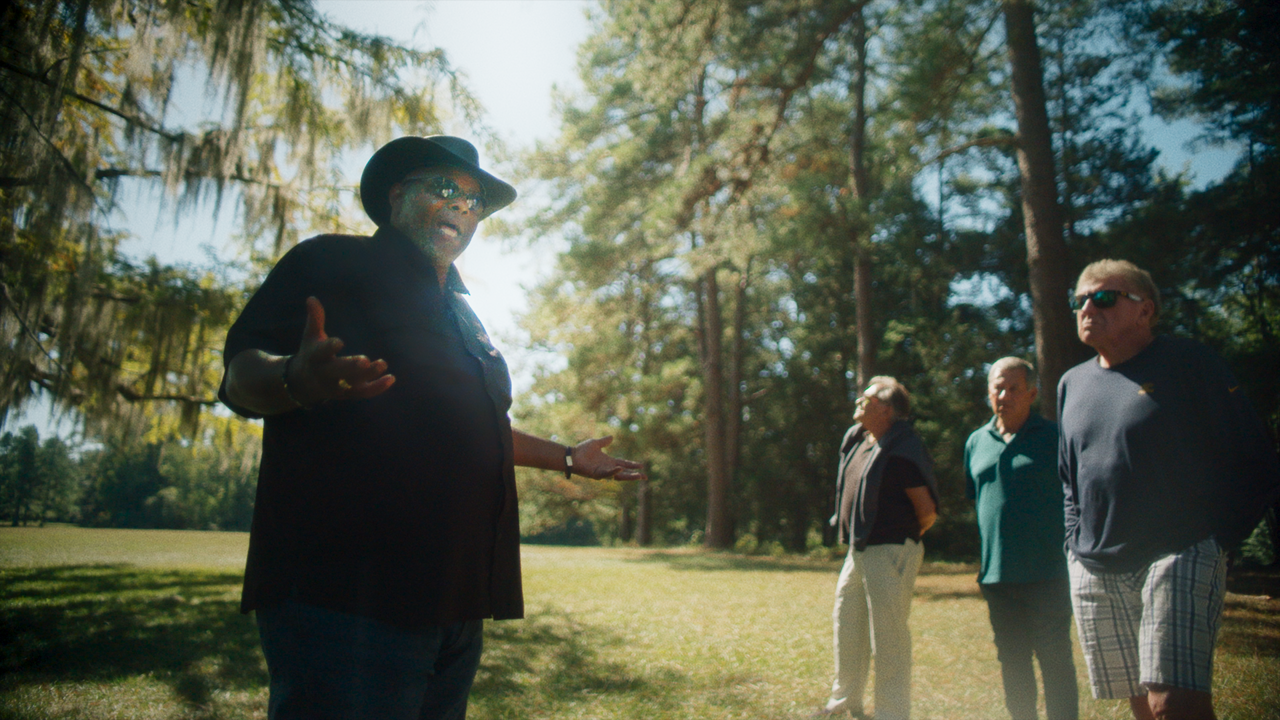
“An Exploration of Whiteness and the Flattering Illusions of History”: Suzannah Herbert on her Tribeca-Winning Natchez
lwissot
Mon, 06/16/2025 – 09:34
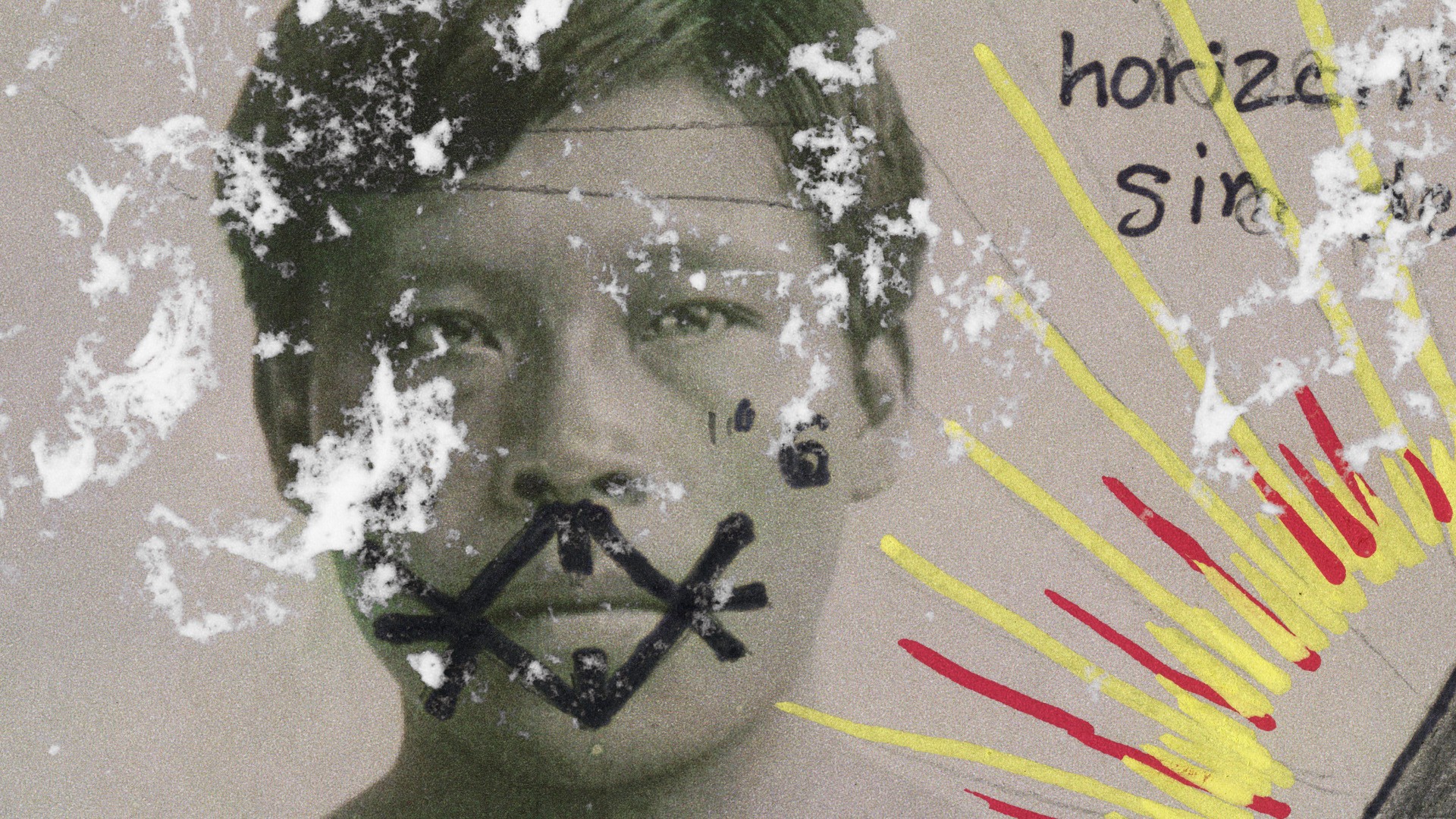
“Sometimes the Past Is a Snake”: Tatiana Fuentes Sadowski on the Legacy of the Rubber Trade in ‘The Memory of Butterflies’
Rachel Pronger
Mon, 06/16/2025 – 09:03
“An Exploration of Whiteness and the Flattering Illusions of History”: Suzannah Herbert on her Tribeca-Winning Natchez
lwissot
Mon, 06/16/2025 – 09:34
“Sometimes the Past Is a Snake”: Tatiana Fuentes Sadowski on the Legacy of the Rubber Trade in ‘The Memory of Butterflies’
Rachel Pronger
Mon, 06/16/2025 – 09:03

A new documentary shows an intimate behind-the-scenes portrait of a country’s leader as she holds back the pandemic, cradles her baby, and persuades her citizens to turn in their automatic weapons.