
One of my earliest social memories is being on the playground at recess, standing bravely athwart 5th-grade-girl-in-1989 consensus to state, “Actually… New Kids on the Block isn’t that good,” to stunned stares of shock, annoyance and horror.
Reader: I felt something.
A contrarian was born.
I’m kidding, but also no, really: the surest way to get me to not watch something is to have a zillion people telling me, “You HAVE TO watch this, it’s THE BEST.” Nothing dampens my enthusiasm more than the sense that everyone else shares it. So it brings me no pleasure, truly, to say this:
You Can See Everything really is THAT GOOD.
I walked into the film peeved and miffed and jealous and definitely skeptical — as my contrarian constitution demands — about the number of people proclaiming it the greatest documentary of all time. My eyes were rolling damn near out of my skull as I thought about the annoying A24 hype machine and it’s not like nobody ever made a doc that plays with the truth before and the things white male “geniuses” are allowed to do with their apparently ceaseless access to industry support and capital.
When I walked out into the autumn sunshine three hours later, I texted my boyfriend, “It’s amazing. ‘Best doc of all time’ is obviously insane, but it’s very, very good.” A few days later, after thinking about it and debating it endlessly with smart friends, I texted him again: “Actually… maybe it IS the best doc of all time??? I have to watch it again ASAP.”
Has there been a documentary feature film with this much immediate cultural impact, like, ever, in my whole life? I’d have to go back pretty far to even find any contenders. Twenty years ago there was Borat (maybe not a documentary, I am aware), and a couple of years prior there was Fahrenheit 9/11. Interesting to note the similarities with YCSE: incendiary current-events topics, the use of comedy, and an on-camera (male) director engaging in awkward, sometimes combative ways with real people. And the “maybe not even a documentary” language is thrown around about all of them.
Also: more than 70% of You Can See Everything’s opening-weekend audience was under 35. Just saying, for the “cinema is dead” folks.
So what makes it so good?
A lot of smart people have already written about how the film is heady and intellectual and meta and layered. All of that is true. I’m just here to humbly suggest that none of that is the secret ingredient that has made it so insanely successful.
THE SECRET INGREDIENT IS THAT IT IS FUN
Many years ago, I tried (and failed) to explain what I meant by “fun” to a very serious, very intelligent group of professors at a very fancy university as I struggled to articulate my creative and philosophical values. I knew in that moment I would not get that job and also that I probably wasn’t going to last much longer in academia.
If I could time travel back to that job interview, I might say, “By fun, I mean pleasurable.” I’ve found academics loooooooooooove to frown and nod seriously as they discuss the word pleasure. I could have articulated why it is important for documentary filmmakers to consider the topic of pleasure as they create their work. Whereas saying “I dunno I guess I just like to have fun and for my viewers to have fun?” was just a stumper to these people, and exposed me as the craven philistine I am.
I learned from Leigh Stein, who learned it from Dr. Jennifer Lynn Barnes, a novelist and former psychology professor, about six “pleasure buttons” that Barnes describes as appealing across cultures:
-
Beauty
-
Money & Wealth
-
Status & Power
-
Sex & Touch
-
Competition
-
Danger
Leigh analyzes Anora using this framework here, noting she was certain The Brutalist (which she loved) would win Best Picture… until she saw Anora. “It just has more pleasure,” she thought.
You Can See Everything hits all those pleasure buttons over and over, in ever-escalating and creative ways. There are many reasons why it is a good and well-made movie, but if you want to know why it’s a MASSIVE SUCCESS: this is why.
It hits Beauty by showing us attractive people (sometimes even naked!), and also by being extremely well-crafted as a movie (it looks and sounds so good). It hits Money & Wealth, Status & Power by inviting us into a world of wealth and privilege, where having lost your reputation does not necessarily mean having lost your access to very nice things — or your ability to command attention. Sex & Touch are there in the nudity, yes, but also in the intimacy of watching a couple together, being allowed close enough to scrutinize their affection and attraction and wonder what’s going on between them, plus the love triangle vibes that evolve in a weird way I won’t get into because no spoilers today. There’s an intense feeling of Competition between the subjects and makers: who can charm whom, outsmart whom, who is going to control the story? And all of that comes with Danger: the feeling that someone might reveal too much, get humiliated, lose control. Including the possibility that YOU, the viewer, are being played while congratulating yourself on how perceptive you are.
You might be like me and already protesting: are there not higher aims as an artist — and a DOCUMENTARIAN no less!! — than just trying to press pleasure buttons in our lizard brains???? Well, yes, of course there are, and we all know that. I’m just here to state this obvious thing: we can’t forget to give our audiences pleasure along the way to those higher pursuits.
Ever since I saw YCSE, I’ve been musing on PLEASURE and how I can find ways to insert more of it into my current rough cut. I’ve realized my current project hits some of those buttons, but not enough of them. I also am not sure my list of pleasures is the exact same as the one Leigh shared — that list is specifically generated toward creating bestselling novels, and I just want to think more about whether I might want to generate my own, perhaps more sui generis (?), list of pleasures. You are your own artist, and you get to decide how much you care about offering pleasure, and of course consider whether you even care about that at all. Pleasure is more important — I think? — the more you care about being accessible, legible to a general audience, etc. Or if you, like me, actually do hold “fun” and “pleasure” up to be pretty high values, not base or dumb at all.
I’m also thinking about how the ridiculous SPECTACLE created by the launch of YCSE — the secrecy, the fact that Lance Oppenheim was premiering Primetime like 24 hours earlier at Venice, the intensely enforced NO SPOILERS! policy —and how all of that was pretty fun and delightful and really created the feeling that you HAD to get a goddamn ticket ASAP, and then all the incredible memes like this one that are adding a lot of pleasure to my days on the internet:
imagine shooting a $250million movie on imax cameras with every movie star and losing all of the oscars to whatever that was.
How can I LAUNCH my next film to maximize some sense of pleasure in its very release? I had this in mind with Wild Inside when we dropped it in Central Park for free as the world premiere. To me, that seemed more fun than the more rote approach I am used to. I’m always wondering how to better leverage social media to help create the feeling of an event, make some jokes, etc.
Part of why I was so annoyed by the launch with that spoiler policing, and part of why that specifically annoyed me was like the number of freaking people that just INSISTED ON DROPPING INTO THE COMMENTS OF THE WILD INSIDE TRAILER to announce the ending! They could not STOP!! I was like watching people say “I wanted to see this, but now that I know the ending I won’t”! I was so depressed. I didn’t think anyone was allowed to have people out there policing spoilers on a doc.
Instead of just being mad and jealous, I’ve decided to be inspired (h/t to Erica Ginsberg for the reframe).
THE UNIQUE PLEASURE OF BEING DECEIVED
Nathan Fielder — who, let us never forget, is ALSO A MAGICIAN in addition to being a reality TV auteur — knows there can be, under the right circumstances, deep pleasure in being deceived. There can be pleasure in watching a documentary you don’t entirely trust.
I think part of this is that it activates the Danger pleasure button.
Trust is the most important currency a documentary has — but in the right circumstances, betraying that trust can actually add to our sense of pleasure. That pleasure can be found in the right documentary subject — a convicted fraudster, perhaps? — or in the right approach — a talented director revealing and concealing things at just the right time.
I’ve spent a lot of time in my own life and career musing on the ways that cinema itself is, of course, nothing but an elaborate magic trick, and how much of its pleasure derives from that. I get confused, but also deeply intrigued, once I graft the needs and ethics and promise of nonfiction in particular on top of that. Lies on top of truth — or the other way around. THIS IS MY IDEA OF FUN!!!
I think the essence of the ethical frisson of what I do for a living comes from this tension. A magic trick is a fun experience when you consent to it and everyone agrees that’s what they’re paying for. Under different circumstances, the same trick is an evil con.
The centrality of ethics is part of why we watch nonfiction and care about it differently than fiction. There is a distinct pleasure in You Can See Everything that couldn’t exist in a purely fictional film, a kind of free-floating, transgressive feeling of ethical menace and deception and manipulation, attaching itself variously to the film’s protagonists, its makers, its viewers, etc. Who is using whom? Who thinks they’re in control? Who is lying to whom? Who is enjoying this a little too much?
Oh, hi. Me. I am!
Which brings me to my recommendations this week: 6 documentaries that remind me of the mind-melting pleasures of YCSE. Keeping with my spoiler-free attitude this week, I’m not saying too much about each film.
6 More Documentaries That Mess with Your Head & Activate the ‘Danger’ Button in Your Brain
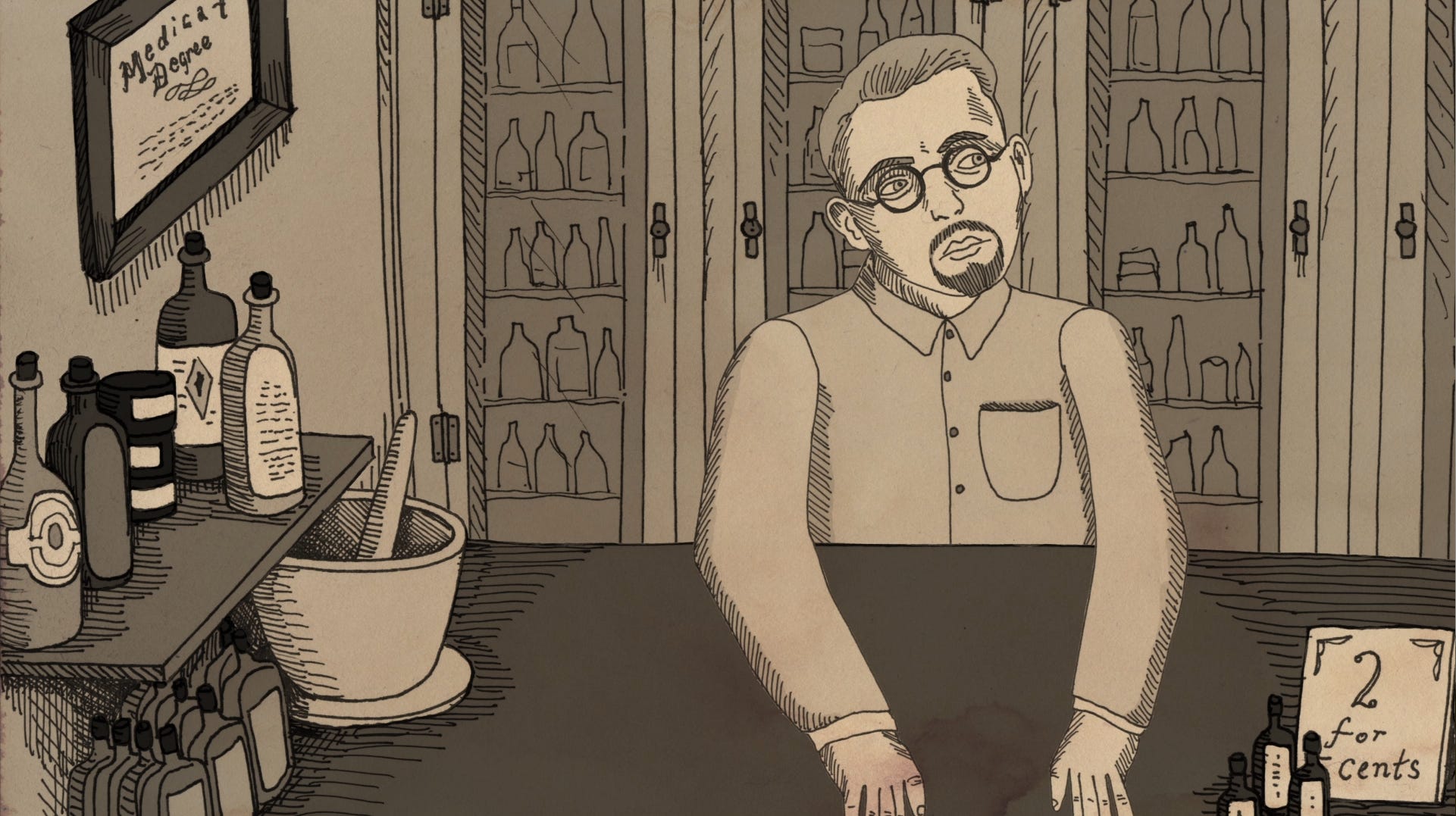
NUTS! (Penny Lane, 2016)
Yes, one of mine. A doctor builds an empire on the claim that he can cure impotence with goat testicles. And then it really gets weird! If you enjoyed the feeling of a cinematic magic trick being played on you in YSCE, this one’s for you. After the film: check out the footnotes.
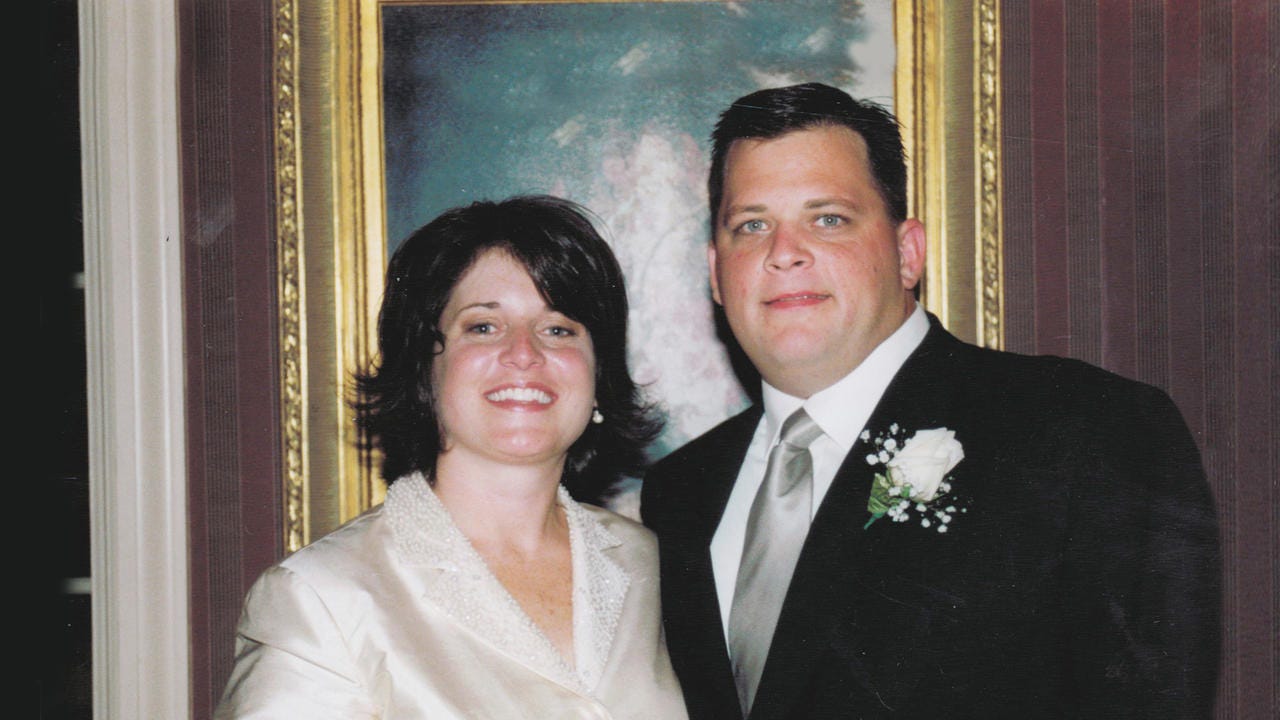
There’s Something Wrong with Aunt Diane (Liz Garbus, 2011)
After a woman causes a horrific highway crash, her family searches for an explanation they can reconcile with the person they knew. If you enjoyed in YCSE the deeply unnerving and haunting mystery of not being sure you can really ever know anyone, even someone you love… this one is for you.
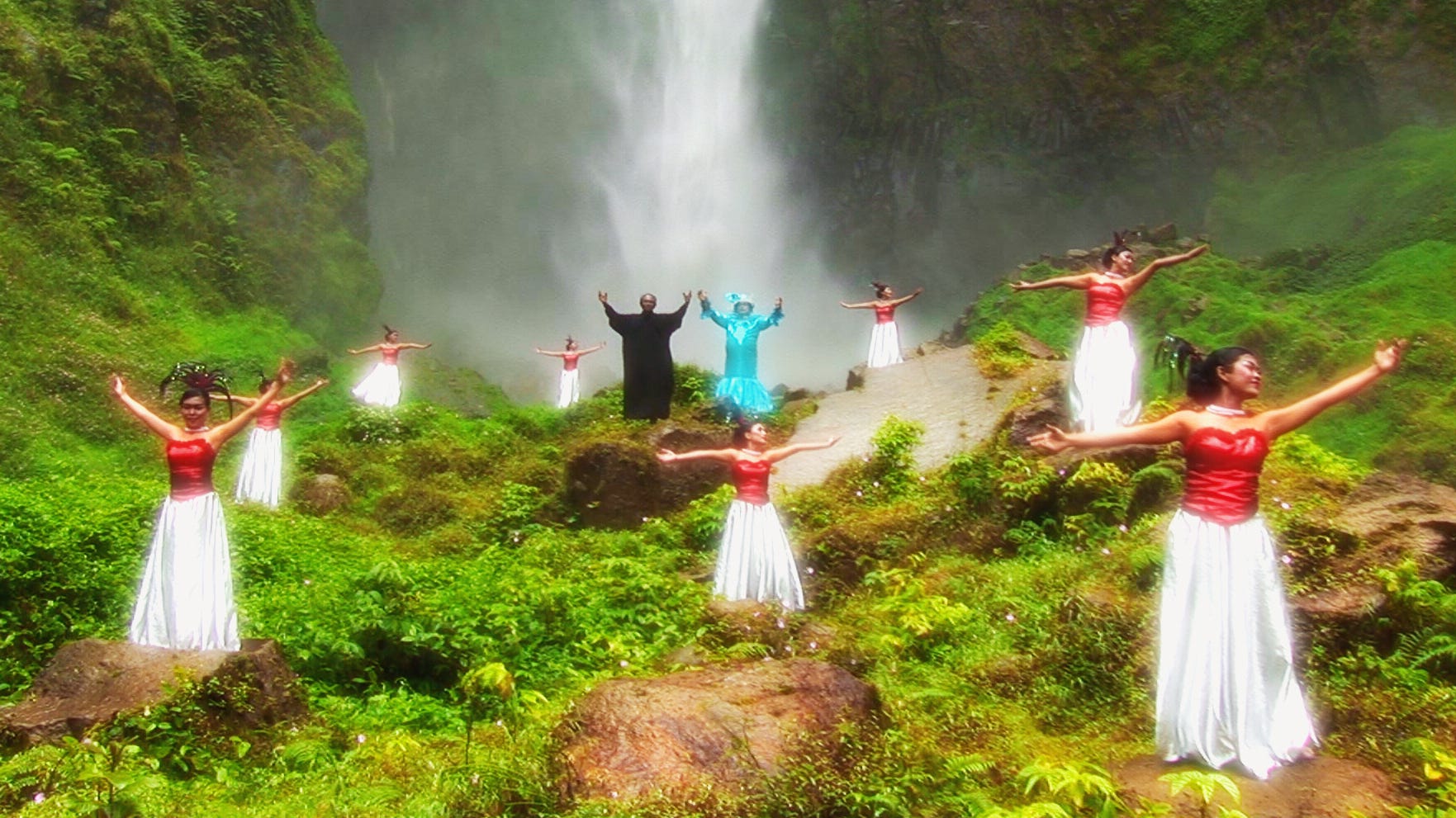
The Act of Killing (Joshua Oppenheimer, 2012)
Indonesian mass killers reenact their crimes in the styles of movies they love. They are enjoying the opportunity to make cinema. You are watching them enjoy themselves in this docu-fantasia world and enjoying the resulting spectacle. If you were fascinated in YCSE by watching (bad, very bad) people try to control how you see them, while seemingly revealing things about themselves they don’t intend to… this takes that experience somewhere much darker.
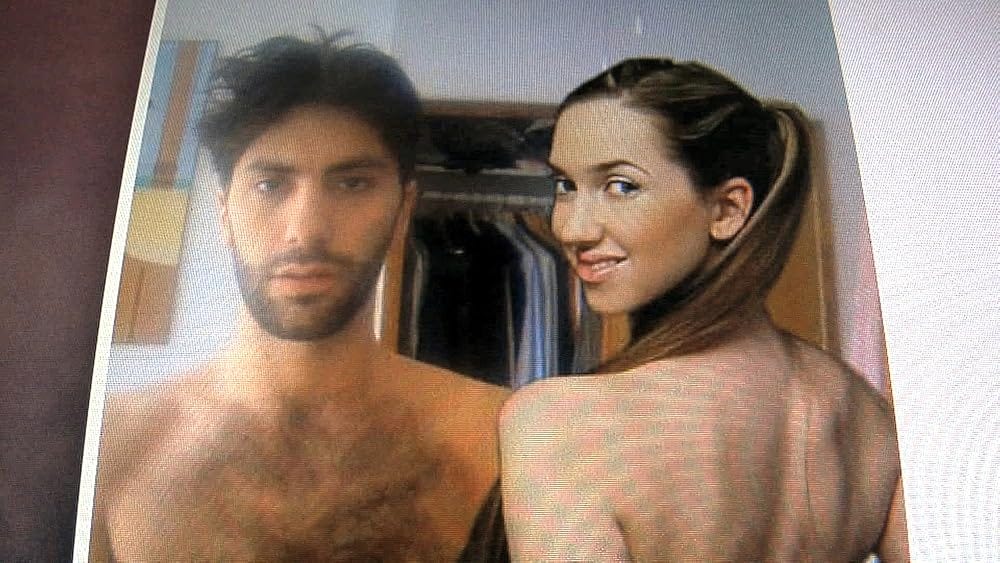
Catfish (Henry Joost and Ariel Schulman, 2010)
An online connection draws a young photographer into an increasingly intriguing relationship. If you enjoyed in YCSE scrutinizing every interaction for clues, changing your theory, then wondering whether your desire to solve the mystery is making you suspicious of absolutely everyone… this one is for you. (Also: this is the very origin. of the term catfishing, people!)
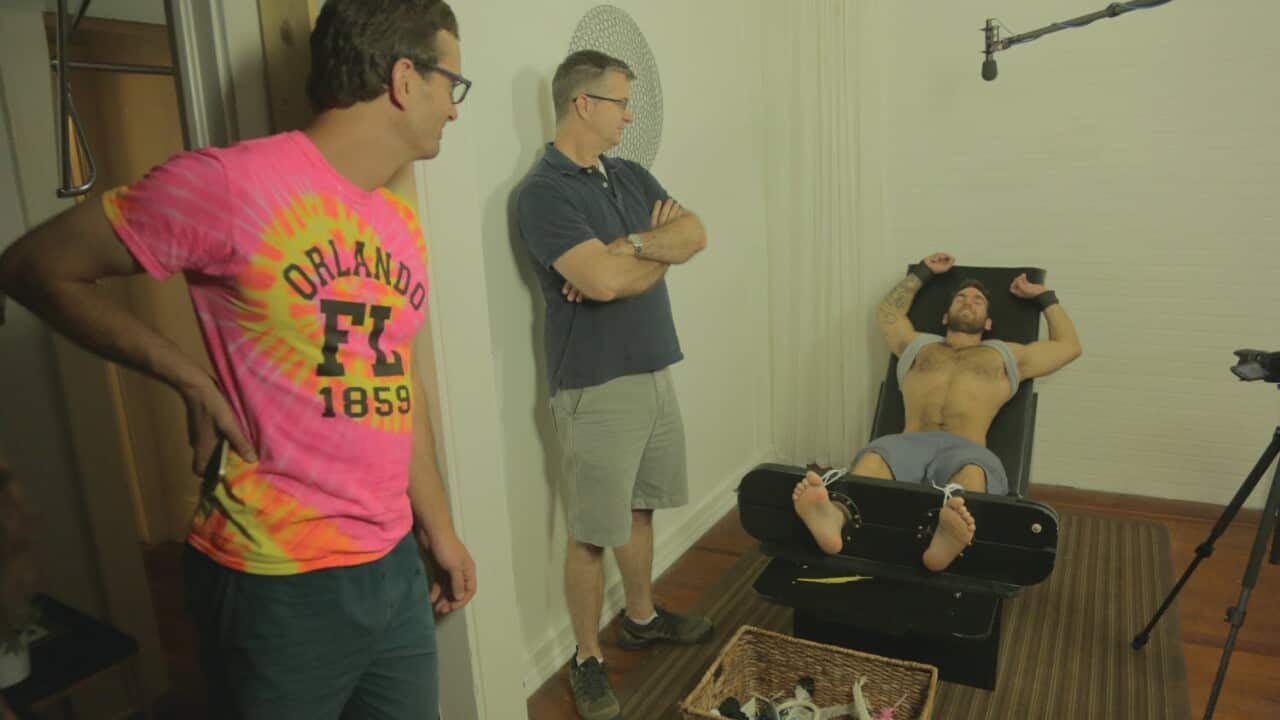
Tickled (David Farrier and Dylan Reeve, 2016)
A journalist discovers the world of “competitive endurance tickling” and decides to investigate. If you enjoyed in YCSE the giddy feeling of “wait, WHAT am I watching?” — followed by the realization that something initially funny might also be dangerous and horrifying — this one keeps finding new reasons for your jaw to drop.
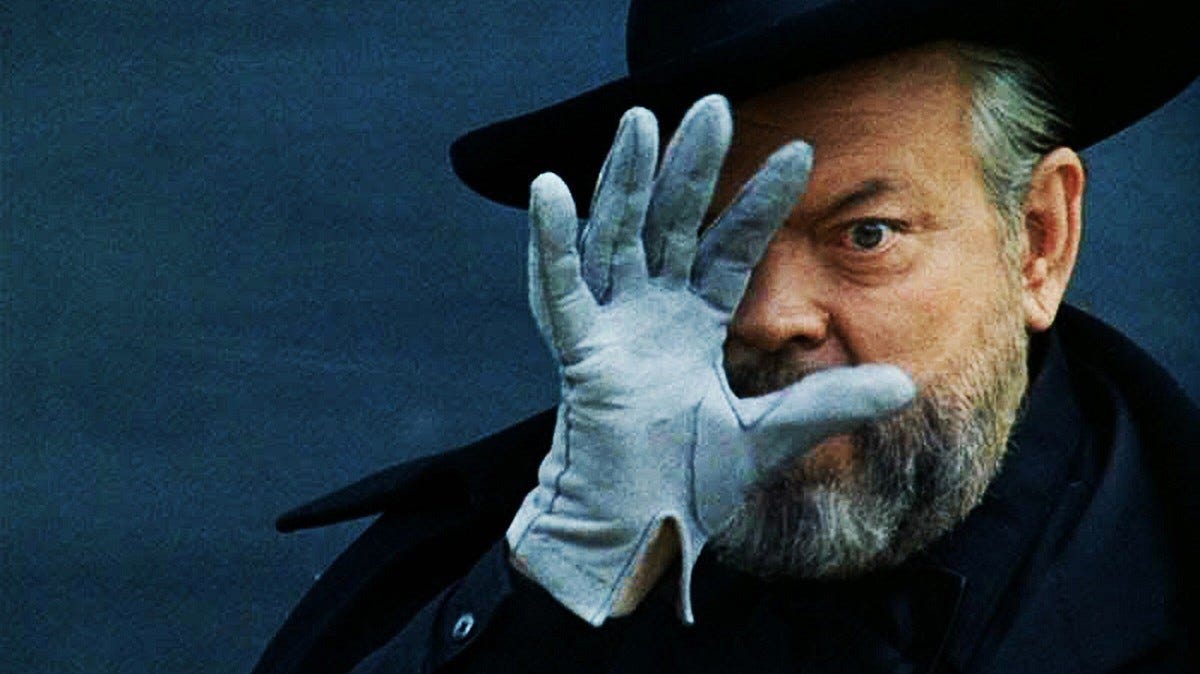
F For Fake (Orson Welles, 1973)
Orson Welles introduces us to an art forger and his biographer, then makes it increasingly difficult to know who to trust. The pleasure is in watching a master storyteller charm you while you KNOW you should be paying closer attention. Also a magician, by the way!!
MORE MIND-MELTING SUGGESTIONS VERY MUCH WORTH YOUR TIME:
If I had not already written about these films, I’d have included them on this list!!!
Mistress Dispeller (Elizabeth Lo, 2024)
Exit Through the Gift Shop (Banksy, 2010)
My Kid Could Paint That (Amir Bar-Lev, 2007)
ANOTHER FILM I HAD ON THIS LIST, BUT I SADLY CAN’T FIND A CURRENT RENTAL LINK FOR IT:
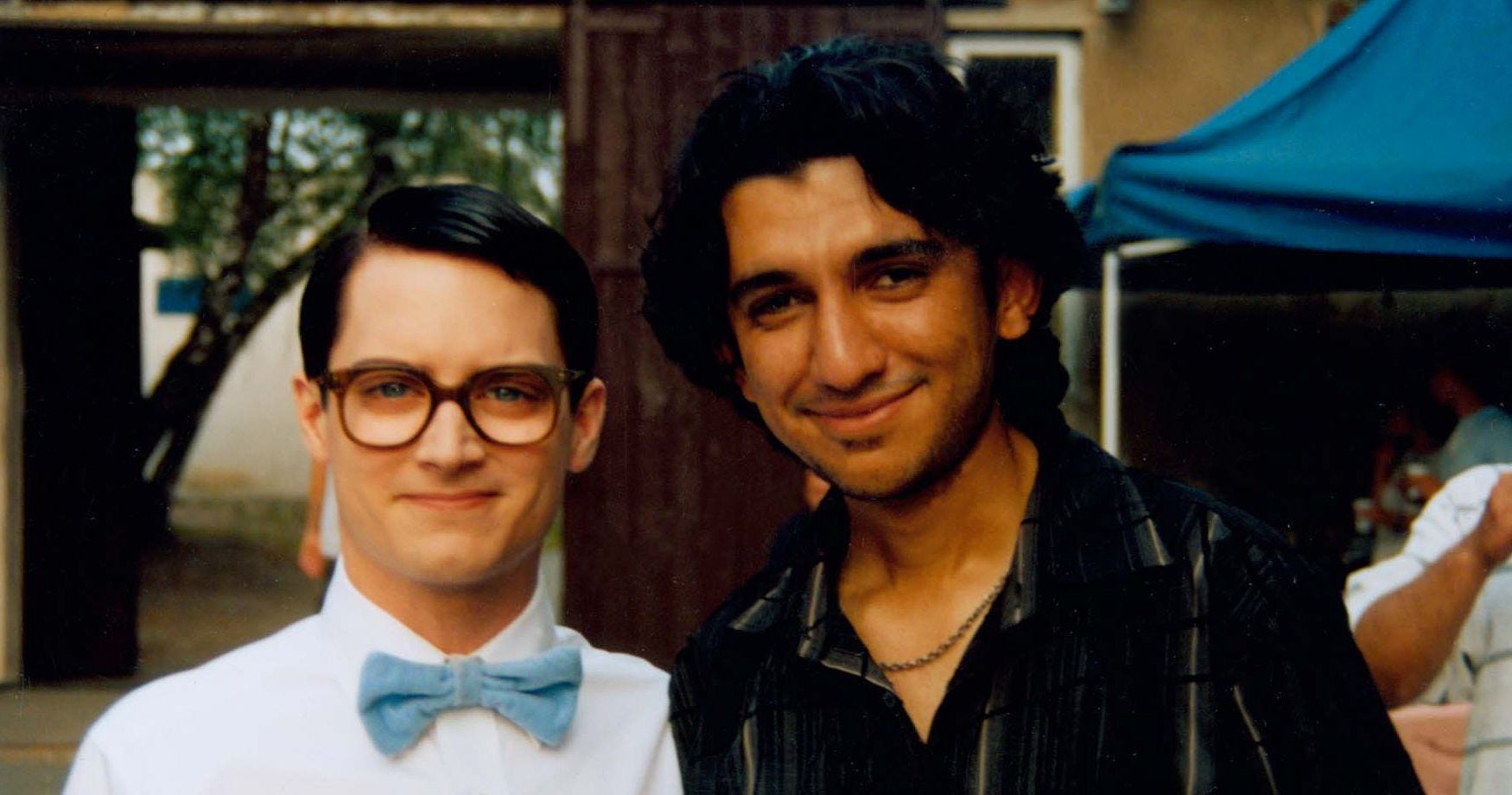
Operation Filmmaker (Nina Davenport, 2007)
An Iraqi film student gets an opportunity to work on a Hollywood movie, and Nina Davenport arrives to document the good deed. What could go wrong? Come for the Hollywood celebs (The Rock! Elijah Wood!), stay for the ethical mess. If you enjoyed in YCSE watching the filmmaker-subject relationship become its own increasingly awkward drama — who owes whom what, and who exactly is using whom? — there is a LOT here for you.
QUESTION FOR YOU (please click the button and leave a comment!): What are your favorite films that explore the pleasures of being deceived, or of tricky ethical transgression?
PS: I actually kinda liked New Kids on the Block. I was just being annoying.