
Greetings friends,
It’s been a busy week at Penny Lane HQ. First, we announced the theatrical release of Wild Inside, my feature documentary about Flaco the Owl’s magical odyssey through the island of Manhattan. The ~WORLD PREMIERE~ is under the stars in Central Park on July 29 (!!!!!!!!!!!!!!!!!!!!!!!!!!!!!) and the movie hits theaters shortly thereafter, starting on International Owl Awareness Day. A special roll-out for a special film. 🦉
Here is the trailer — it’s incredible, thanks to the geniuses at Wheelhouse Creative, especially creative director and lead editor Sheryl Haley.
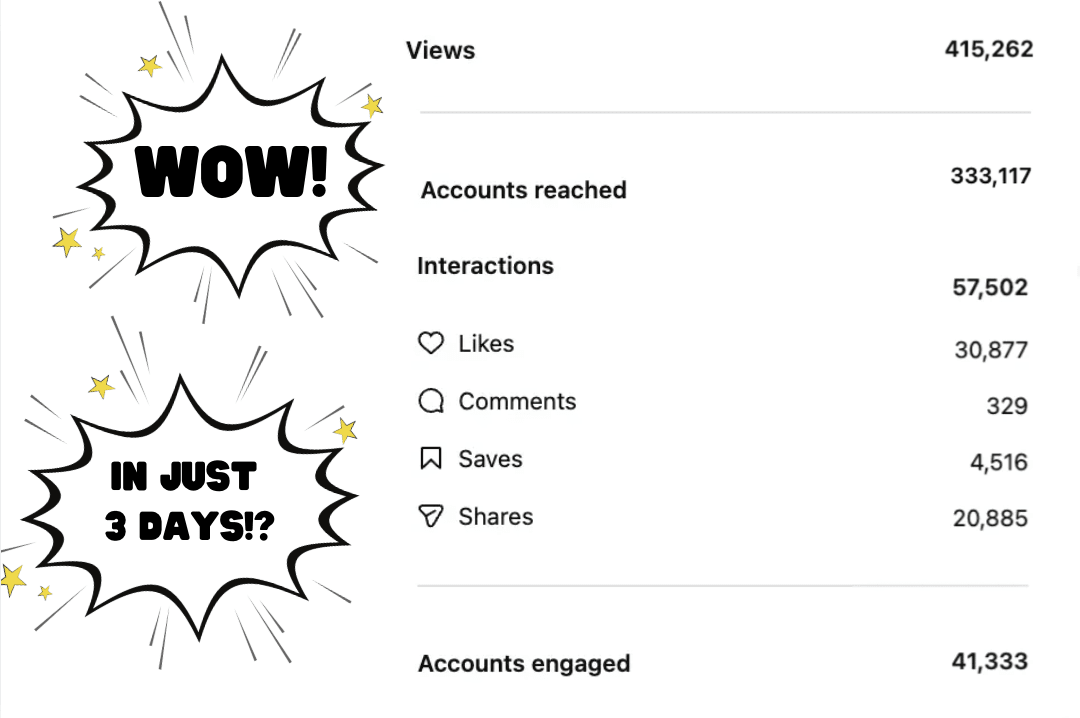
The engagement on Instagram to the trailer has been phenomenal. I look at these numbers and imagine a real person behind one each one, not just seeing it, but liking, saving, sharing… it’s beyond validating. It’s more like awe-inspiring!
In the midst of this excitement, I received the news that the protagonist of a different film I am making died. It was not unexpected — she was elderly, and ailing — but I am grieving, while also scrambling to figure out how to “cover” this moment for the film, and figure out how this may alter the structure of the story. And, did I mention grieving? I am determined to make the film a fitting tribute to this special person. ❤️🩹
This week’s newsletter was inspired by my chat with about The Perfect Neighbor. Geeta also spoke about grief, how documentary can serve as a mechanism to process it, to heal, and to memorialize someone who is gone.
But what I wanted to write about this week was not grief, but the promise and the peril of archival storytelling.
Lessons in Archival Storytelling
Archival storytelling was my first, and in some ways is still my deepest, love in nonfiction storytelling. I love the way archive brings us into contact with the past in a present-tense, primary-source kind of way. I love the meta-narrative potential of employing someone else’s footage in my timeline. Basically, I love history, and I love historiography. And I have already confessed I don’t love filming. What I love is someone having filmed the stuff I want to edit. Sometimes, the constraints of pre-existing archive are just what I need to narrow my focus.
Over time, I’ve developed a handful of questions I ask whenever someone brings me an archive-driven project, or when I am daydreaming up my own. These questions are especially crucial in the development stage.
They’re not foolproof. But I think they can help distinguish between archives that merely contain interesting material, and archives that can actually power a film. What follows is the checklist I wish I’d had myself years ago.