
If you film anyone for long enough, you’ll have a story to tell. If nothing else, you’ll have a biographical narrative. If you film a child as they grow, you’ll have an easy coming-of-age documentary (or drama, in the case of Richard Linklater’s Boyhood). That doesn’t mean it will be a great story or a great film, and some of that might depend on the subject chosen and the choices they make, but you’ll likely have the resources needed. A great editor might find something brilliant to carve out of the footage shot willy-nilly, but a great director would be keen enough to capture material that best lends itself to such cinematic sculpture.
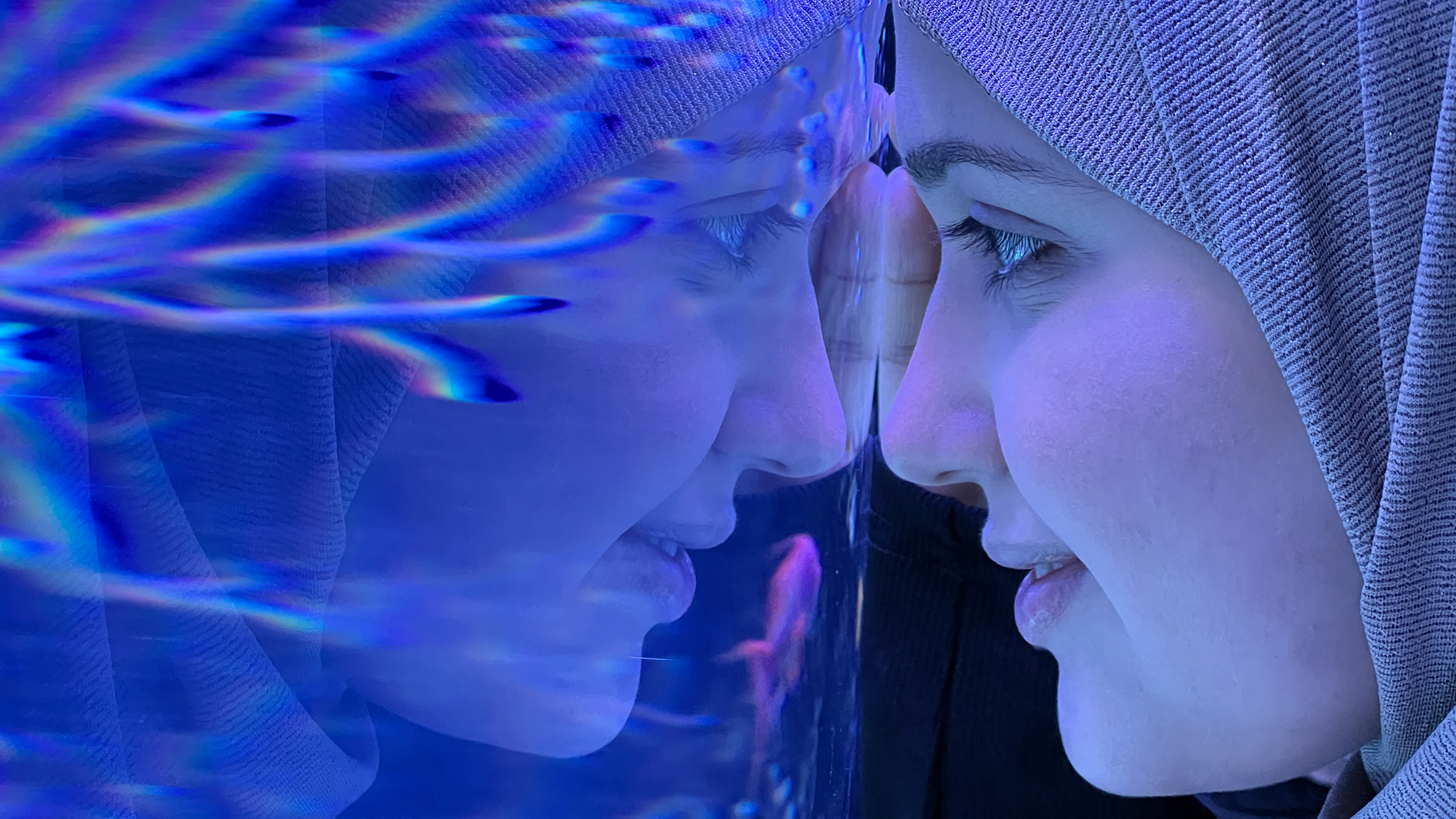
The title One in a Million may as well refer to its existence as a documentary that came together so well because of both directorial and editorial acumen. Credit may also go to the decisions of its characters and, ultimately, world events, but that could be like acknowledging the marble and model as much as the artist. The film, directed by Itab Azzam and Jack Macinnes, and edited by Iain Pettifer and Alec Rossiter, was shot over a decade and follows one family of Syrian refugees as they migrate to Germany and adjust in various ways. The main character is the eldest daughter, Isra’a, who is 11 at the beginning of this story. But her parents’ individual journeys and how their lives and minds change over time are often even more interesting than her tale of growing up and coming into her cultural identity before eventually returning to a free Aleppo.
Nonfics is a reader-supported publication. To receive new posts and support my work, consider becoming a free or paid subscriber.
A lot of films covering extensive periods of time tend to play catch-up — here’s another year, and what has happened since the last visit from the filmmakers. They depend more on interviews, providing relayed updates rather than documenting the lives as they’re happening. One in a Million does depend on updates here and there, but it shows at least as much as it tells, if not more so. Things we see or hear early in the documentary lead to developments that happen years later, as if they’re scripted foreshadowing. I assume those moments were retroactively selected from (likely hours of) footage that had been shot with a sharp awareness of what Isra’a and her family were going through and how they were feeling. Maybe some connections were fortuitous, but the structuring of the film is too tight to have been all happy accidents.
One in a Million captures a decade in the lives of one particular family, but it’s a wide snapshot of a particular period, from the migrant crisis to the rise of right-wing anti-immigration campaigns in Europe (and protests against them) to the fall of the Assad regime. It begins with the plight of refugees crossing the Mediterranean that we saw in several documentaries 10 years ago, such as Gianfranco Rosi’s feature Fire at Sea and the short film 4.1 Miles, both of which were nominated for an Oscar in the same year. Much of this family’s story is also timeless, in the film’s portrait of a people on the move: the universal tale of immigrants, carrying forth customs (some good, some bad) while also becoming acclimated to assimilation (some good, some bad). We see both the usual and specific differences in the hopes and outcomes for a husband and a wife, and for older and younger generations, in their new world.
There are plenty of documentaries filmed for a decade or more that only come together with their point at the end, a la the good but often dull 2013 feature American Promise (which was too uniformly compared to Boyhood). Occasionally, we get one that is poignantly observed and conveyed throughout, as is the case with One in a Million. It’s fitting that the last documentary of this kind to resonate so much as both a timely and timeless coming-of-age story within a specific era debuted almost a decade ago: Quest (which I reluctantly also compared to Boyhood), an underrated 2017 film that is to life during the Obama presidency as this film is to life during the migrant crisis. They’re nothing alike except in their documentary artistry and substance. I wish One in a Million weren’t such a rarity, but it’d probably stand out regardless.
Thanks for reading Nonfics! This post is public so feel free to share it.