
I used to have a desk right next to an editor — they were on the other side of a thin wall, because this is New York City — who was editing a true crime series.
One day, the editor was working on a sequence where someone says the phrase, “murder, murder, murder.” The editor was — as editors do — playing that phrase over and over again. So for about two hours, I just heard the words “murder, murder, murder” on repeat through the wall. It felt as if the voracious public itself was intoning into my ear what it wants in a documentary: Murder! MURDER!! MURRRRRRRRRDER!!!
Given the incredible popularity of the true crime genre, I am apparently alone among all documentary viewers in that I do not gravitate toward anything with the word “murder” in it at all — much less in the title.
I am not sure why I don’t gravitate toward true crime. Given how much I love horror — even schlocky horror — and how, as I wrote here, true crime is arguably the horror of documentary, it seems like I should be interested. But I’m just not.
Murder, murder, murder — it’s just not for me.1
But this weekend, I made an exception to my “no murders” policy to watch the 5th and final episode of The Yogurt Shop Murders on HBO.
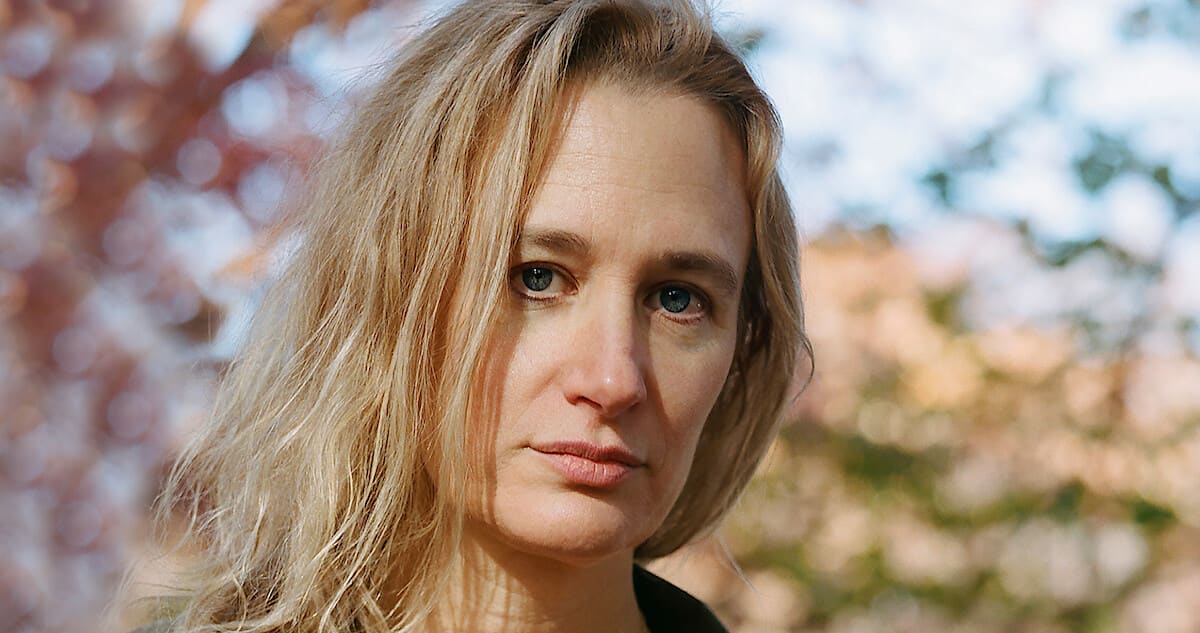
I watched this series because Margaret Brown directed it, and Margaret Brown is not only my friend, but a talented, smart, empathetic and fierce filmmaker. If you don’t know her work, I recommend a double feature ASAP of Descendant (2023) and The Order of Myths (2008), which demonstrate she is no stranger to excavating traumatic histories that haunt and divide communities, and asking what would it take to heal.
Indeed, that is the angle she brought to The Yogurt Shop Murders.
My favorite character in the series is Claire Huie, another filmmaker who tried to make a documentary film on this case back in 2009. She amassed a large collection of footage, but became overwhelmed by the scale of the undertaking: too many characters, too many theories, too much trauma, too much grief, too much responsibility. So she abandoned her box of miniDV tapes, and tried to move on.
There’s a scene with Claire, where she’s showing Margaret an interview she did with Barbara Ayres-Wilson. Her first interview question is, “Tell me about how your daughters were murdered.” She now sees that’s a pretty insensitive way to start an interview, and is absolutely mortified.2
Despite her missteps, Claire’s interview of Barbara yielded many incredible moments, including this:
“People always say ‘I just can’t imagine.’ You don’t need to. Don’t even. It’s too much to think about, too much to carry with you forever. You’ll have your own pain in your own way in your own time. You don’t need to visit this one.”
You don’t need to visit this one. I felt this like a warning shot.
But Margaret reveals her mission with the series, which is not to simply “visit” this horror, when she asks Sonora, another bereaved family member, “I’m wondering, is there a way that [telling] this story can help with healing?”
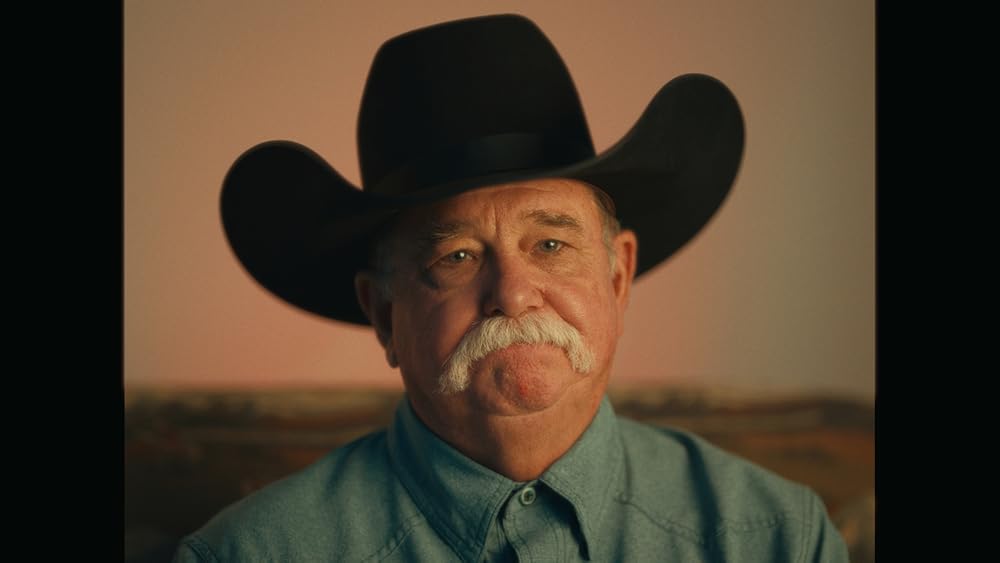
How to use documentary to help heal this community in the wake of unimaginable evil, especially an unsolved crime like this one, becomes the theme of the series. And by the end of Episode 4 — notably titled, “In Your Own Time” — Sonora finally answers Margaret’s framing question: “I think there’s a real benefit for both teller and audience to telling [this] story and to hearing [this] story. I think that can change how the memory lives inside you.” It’s a very good ending.
But, that wasn’t where the story ended. (Life! It just keeps life-ing, even after picture lock!!) The new episode details what happened after the original 4-part series dropped — again: about how to heal in the wake of an unsolved crime — and then, only weeks later, the police actually solved the crime. It’s an astonishing turn of events, and certainly adds even more weight to the idea that true crime can be about more than simply visiting horrors, and can help to serve the twin causes of healing and justice.
Another one of my friends, Geeta Gandbhir, had both healing and justice on her mind when she directed a film some people call a true crime masterpiece: The Perfect Neighbor (2025), an all-archival recounting of the slow build-up to a murder, which debuted to a rapturous response at Sundance, before dominating the Netflix Top 10 for many weeks, and finally being nominated for an Oscar. It was one of the biggest feature documentaries of the year by any measure.
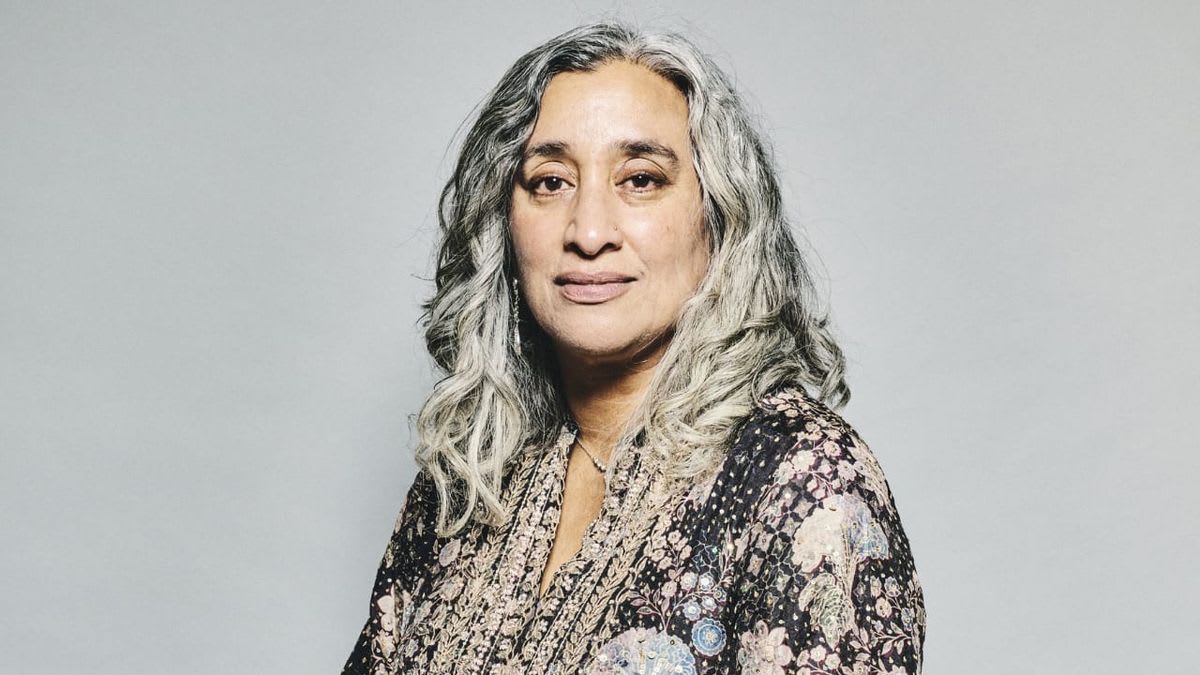
For her part, Geeta doesn’t think of her film as true crime at all. “[W]hen people think true crime, they think maybe of something salacious or procedural,” she told Variety. This film is about a family friend that was murdered, and she made the film first to mitigate and process their own grief, and secondly to help ensure that justice would be served. For Geeta, the true crime label obscures more than it reveals about her film and her reasons for making it.
It is, nonetheless, tagged as “true crime” on Netflix, and that is how the 40+ million viewers who saw it there have encountered it.
I’ve written before about the importance of understanding what your audience is expecting from your film, and certainly genre conventions are a part of that. The Yogurt Shop Murders addresses the true crime genre label much more neatly than The Perfect Neighbor in the sense that most of its runtime is, indeed, “procedural”: we follow what happened in the crime, the investigation, the convictions and their reversals.
The Perfect Neighbor does none of that. It is about a murder, though, and that seems to be enough to get the true crime label. (Yes, there are many types of stories that fit within true crime, but murder is the most popular by far.)
It also meets the expectations of the genre by being incredibly suspenseful. It’s constructed as a riveting, present-tense unfolding of a tragedy told through body cam footage, Ring cam and cel phone footage, and other “found” sources. I was literally on the edge of my seat the whole time. It feels positively Shakespearean in how expertly it builds toward its conclusion.
Whatever genre label you put on it: The Perfect Neighbor is a phenomenal example of archival storytelling, and I am thrilled such a large audience of people who, unlike me, gravitate toward “murder, murder, murder” content have seen it, because it’s simply an incredible documentary.
If you somehow managed to miss The Perfect Neighbor, now is a good time to watch, because:
This Wednesday 5/27 at 4:30pm ET, I’ll be hosting a Substack Live with Geeta about how she made this extraordinary film, and what it was like to direct one of the biggest docs of the year.
Please join us and bring your questions!
I want to talk to Geeta about how she found the form for this film, and how she sees it in fitting into her larger body of work.
I also wanted to check in with Geeta after the massive success of The Perfect Neighbor and find out what it was like, on a personal level, to have one of the biggest docs of 2025 — and then, on top of all that, to be nominated for not one but two Oscars (click that link if you’re asking, wait, isn’t there only one Oscar category for documentary? How did she get two nominations???), even as she was still processing the death of her family friend in this horrific tragedy.
It seems — from my vantage point as a friend on the sidelines — it’s simply been a crazy time for Geeta, and I’m wondering if she’s even had a chance yet to catch her breath.
Do you all watch true crime documentaries, and if so, what draws you to this genre? Talk to me in the comments!
Comings, Goings, & News
Saturday, May 30 I am hosting the 7pm Q&A for We Are Pat at DCTV!
Sunday, May 31 I am hosting the 3:30pm Q&A for Time and Water at The Angelika!
I also don’t confuse my own taste with a condemnation of the entire genre as somehow less than — that’s just silly. As with any genre, one can create world-changing, incredible true crime, or cynical, true crime slop, or anything in between.
Claire’s part in this series reminds me of this newsletter, in which I reminded myself that I will make ethical mistakes and I have to just keep going and do better. For some tips on how to prepare for interviews, see last week’s newsletter!