

“[Y]ou should be using your journalistic perch to advocate a heroic, even monastic disengagement from this whole horrifying anticulture! Turn away, bro! Beauty is not there! You need to quit saying ‘It’s like we’re all living in a reality show’ and just fucking accept that you’re watching too much reality TV! Why can’t you do that? Why can’t you fight it?”
— in 2011 / me, today
I came late to reality TV, but when it happened, it felt like an addiction.
I use that word “addiction” advisedly, because it feels at least structurally similar to how I never once put a cigarette in my mouth until senior year of college — way later than anyone else! — and bought a pack of cigarettes the next day. This kicked off a 15 year smoking habit. It was as if despite a lifelong disgust and hatred for cigarettes, that addiction had been waiting inside me, coiled up like a snake ready to pounce.
Such was my fate when I started watching The Bachelor in 2016.
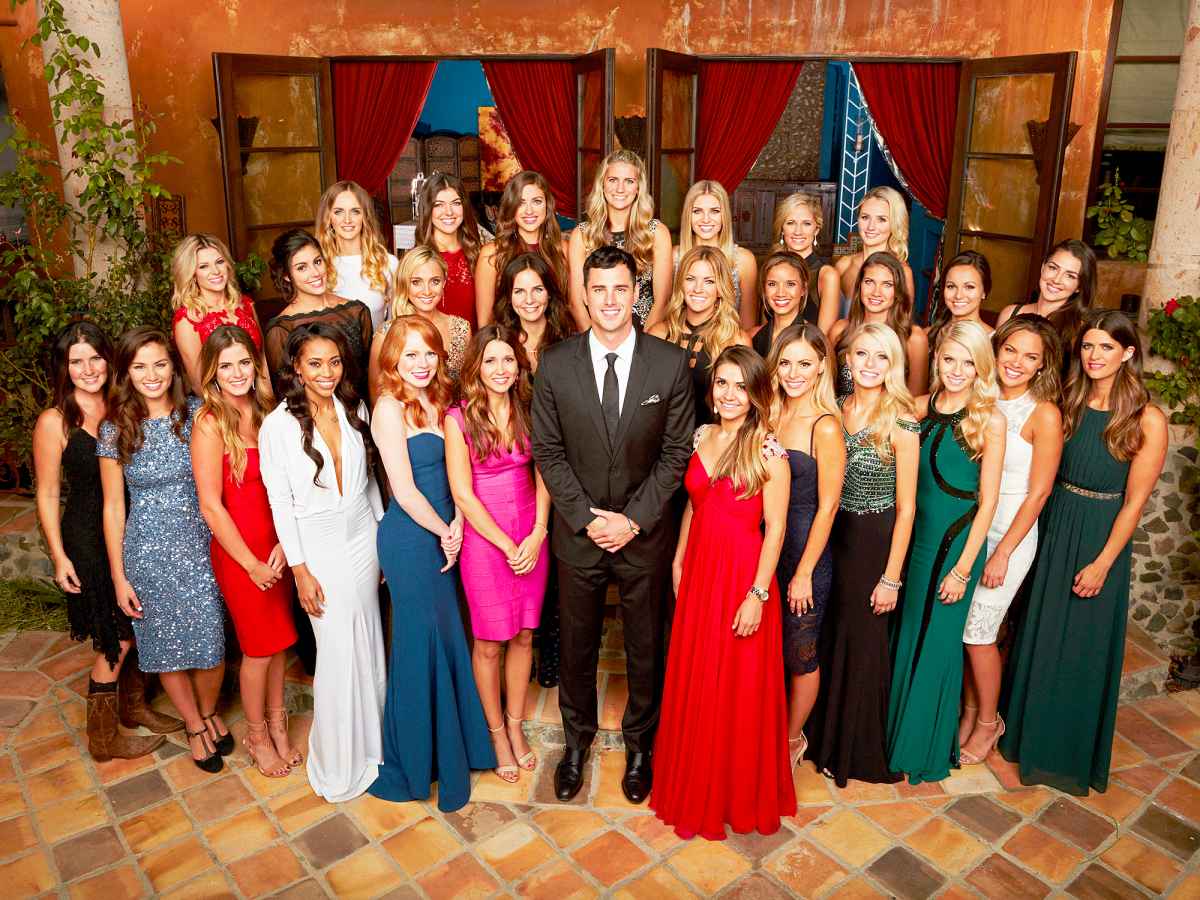
I started watching The Bachelor and found I could not stop. By 2016, the franchise had already been around for 12 years; there was a large back catalog on Hulu available to binge. And so, I started binging.
Ah, the binge!
I have a hard time remembering that before the 2010s, if I had TV (I didn’t always), it was linear. Many people in that era watched lots of TV, but we didn’t call that binging. We just called it watching TV. A binge is an on-demand, sustained deep dive into one show or franchise.
A binge is also more addiction language. It suggests a loss of control, a spiral into self destructive consumption.1
Anyway, I love documentary so much I’ve built my whole life around it, but I’ve never felt “addicted” to it and I’ve never really “binged” it, either. This is another reason I love Emily Nussbaum’s “dirty documentary” framing — reality TV as documentary, cut with contaminants to sharpen the high, like street drugs.
But this whole addiction metaphor… I don’t know, I think I’m taking it a little too far, here. I’m not a drug addict. I just like to watch reality TV. Like most normal people!!!
Isn’t reality TV just documentary, but formatted for, well, television? Like, documentary structured episodically, ideally open-ended, with cliffhangers and ad breaks? (This happens to also be the format that people seemed to like to “binge” the most, once we entered the streaming era. It’s a pretty addictive format!) The answer is no, not exactly. The larger category of documentary on TV is called “unscripted.” Reality TV is just one category within that unscripted umbrella.2
As I’ve been reading up and polling people on what exactly defines reality TV, and what makes it different from documentary — or unscripted, to use TV language — the answers tend to cluster around these three attributes:
-
Reality TV is more manipulated / staged / fake / doctored / produced / scripted than documentary.
-
Reality TV is more focused on big personalities / interpersonal conflict / drama / bad behavior / messiness / the abject than documentary.
-
Reality TV is more exploitative / unethical / commercial / cheaply made / entertaining / addictive than documentary.
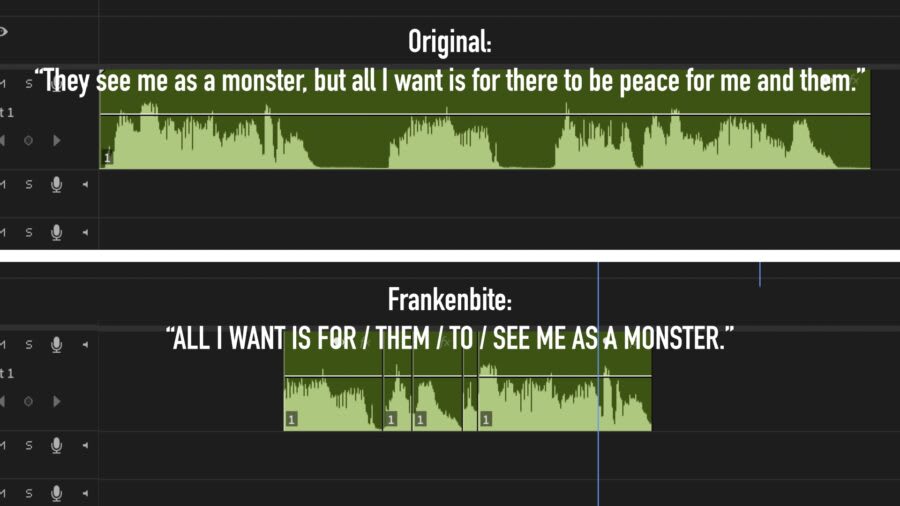
This negative framing is probably somewhat accurate as a matter of fact. I have no doubt the sheer force of the producorial and editorial manipulation going on in reality shows would shock even me, a person working with the same basic storytelling toolkit. The editing of reality TV was historically seen as so extreme, after all, it spawned the wonderful term, “Frankenbiting.”3
A few weeks ago, I wrote:
[N]obody has ever called the 21st century the age of documentary. Whereas plenty of people have called the 21st century the age of reality TV.