
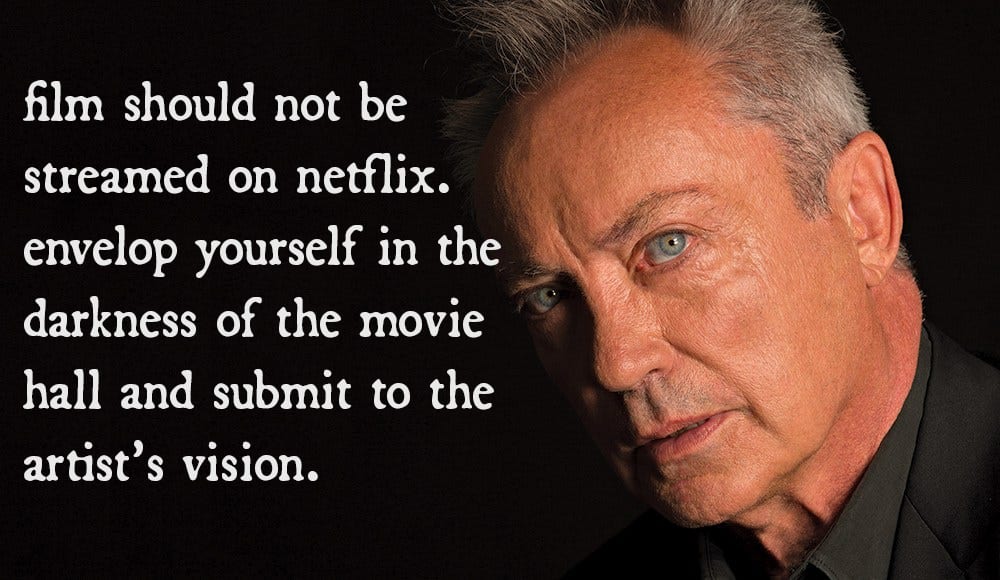
Udo Kier died recently, so a lot of people have been sharing this, the one and only post ever made to his Twitter account back in 2011:
film should not be streamed on netflix. envelop yourself in the darkness of the movie hall and submit to the artist’s vision.
Yes! Filmmakers shouted, Submit to my vision!!!
Only a cinephile knows what it means to submit to an artist’s vision for more than a few minutes. (And frankly, only great filmmakers have any idea what to do with that sustained attention.) Cinephiles want the rewards we can only earn from sustained, patient, open-minded attention. The rest of us have the TV on in the background while we scroll our phones.
But Udo Kier called it way back in 2011 and by now we all see what he was shouting into the void about: conjuring the attention needed for the ‘cinematic’ experience is harder in the streaming era.
I am not saying anything original here. What I am saying is: I confess. I am part of the problem. I can blame the pandemic or Big Tech or work stress or whatever, but I once read long, difficult books, and now I barely read at all. I once watched long, difficult films, and now I barely watch films at all.
To be clear: I still read and watch films a lot more than most people; it’s just a lot less than it used to be. And let’s be real: books and films combined is nowhere close to my annual 90 Day Fiance consumption. Like, just that one franchise.
This weekend I watched several movies at home: The Fabelmans, Close Encounters of the Third Kind, and Ryan White’s incandescently beautiful Come See Me In the Good Light (it’s on Apple, check it out!). As usual, I struggled to focus for more than a few minutes at a time and had to really work hard at it. And these are some, you know, really good movies! They reward the attention!
What does this mean for my own work?
I am still trying to make every film ‘cinematic,’ but I also grapple with the reality that viewers are half-watching at best most of the time, if you’re lucky enough to get them in the first place. I know that in the streaming era you have like 10 seconds to grab a viewer and keep them, thus there is real utility in that “first scene is a trailer” thing, which my cinephile self hates, but my working-hack self is like… well… I love cinema, but I love other things too, like food and rent, and actual viewers?
We ended up embracing the “first scene is a trailer” convention for Happy and You Know It (COMING SOON TO HBO MAX!). I don’t think it ruins the movie in a theatrical setting, but you could also cut it and it’d be fine. You could cut it and it may be better — if by better we mean more cinematic. On streaming though, I think that first scene might be really helpful to getting and keeping an audience?
It’s important to say Happy and You Know It was made for and with HBO — so we knew that streaming was the main event all along. I loved seeing it with an audience at DOC NYC, but we also knew all along that was not the main way people would see it. And that’s not true for everything I make.
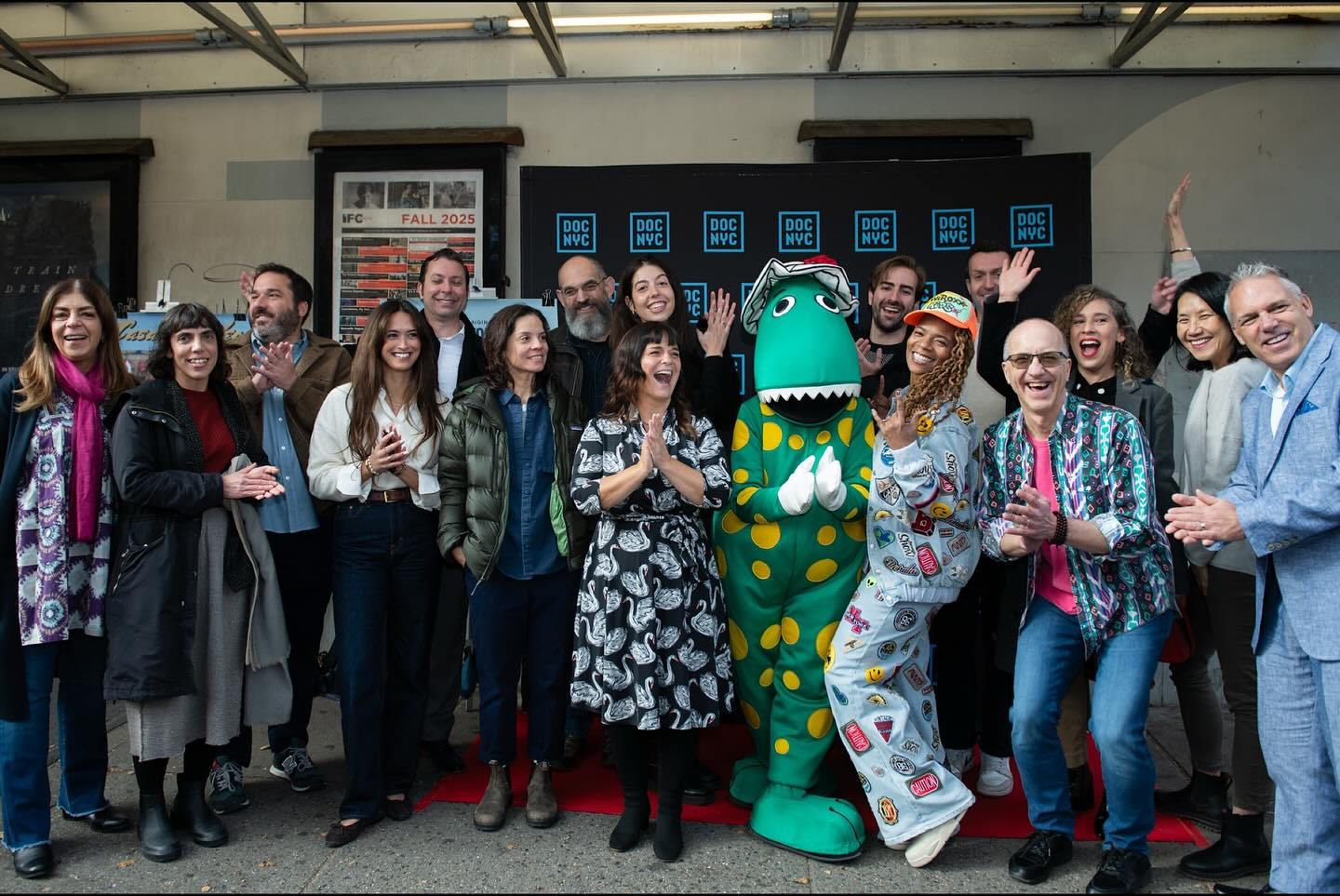
DOC NYC was so fun, and I thought the movie played great in a theatrical space (as many funny movies do).
Most of the time I’m more just confused. And more confused with each passing day:
It’s like, am I making movies or not? Am I making TV? Am I making streaming content? Why I am still so committed to the theatrical feature length? Is it just what I’m used to, or do I want to stand on a hill and fight for it?
Most of all I worry: If I don’t envelop myself in the darkness of the cinema hall and submit to the artist’s vision all that often myself… who am I to ask that of viewers?
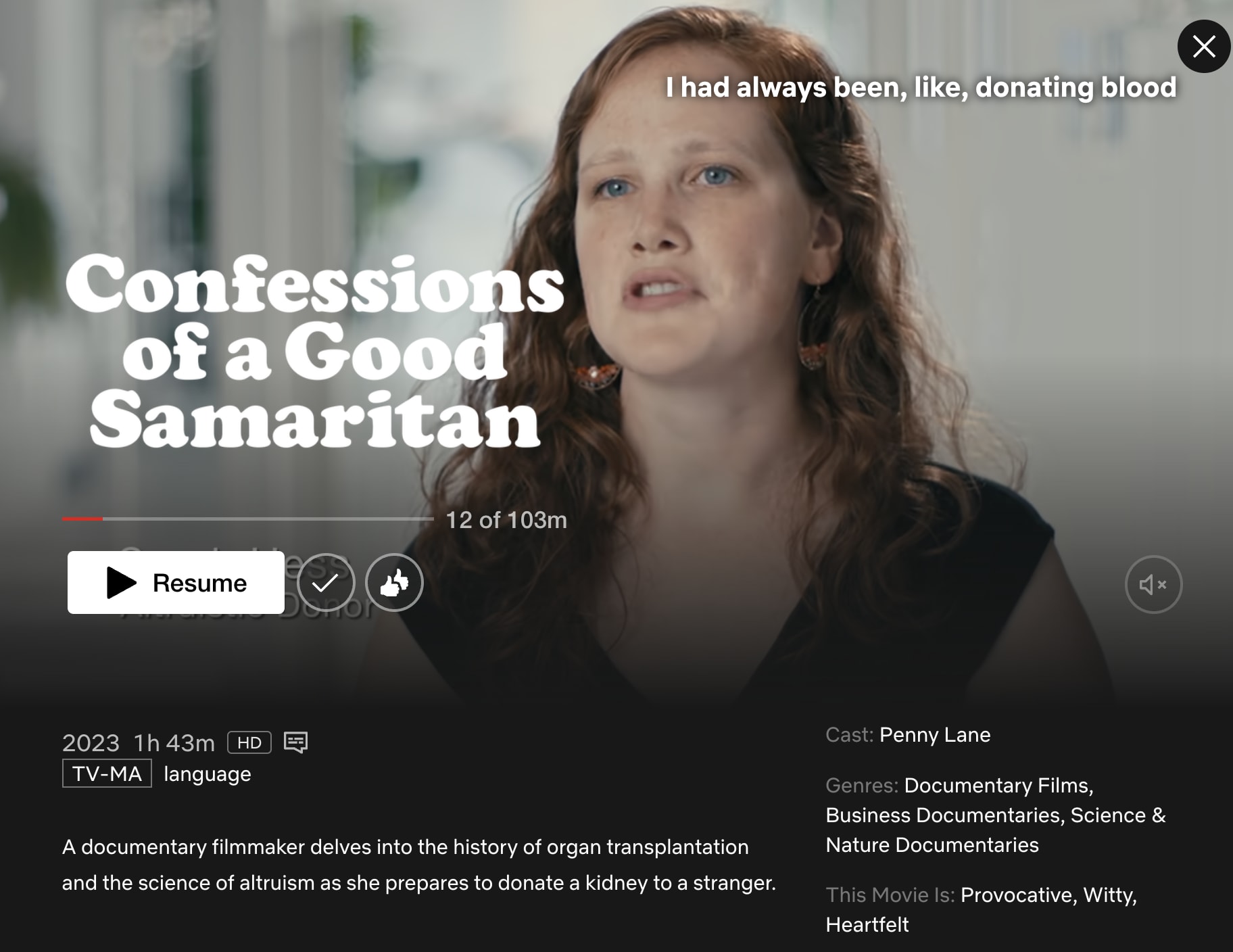
When Confessions got licensed for Netflix (a shocking and welcome development! which in full transparency involved very small amount of actual money), I watched the whole movie again, thinking about how I personally engage on that platform. I was like, oh shit. The first 2 minutes is just like, colors and music swirling around! There are long scenes with no dialogue, only text on screen!!
I called producer Gabriel in a panic and asked, “should we make a Netflix cut? I think the opening is a problem.” He disagreed and said he stood by our film, so I dropped it (also I dropped it because we are too tired to recut the movie, who is going to pay for that, we already got the deal, etc.)
But with Confessions, I didn’t make it for Netflix! I’m thrilled it is there, but we made it independently, with full creative control, mainly imagining movie theaters full of people. I think most of us movie-makers still do this, against all common sense perhaps, but because we are cinephiles at heart.
I’ve really admired how Sean Baker is using his success to actively fight for cinema and for the cinematic experience. But documentary is different; in my lifetime, it’s always been more supported by TV (then streaming) than by theatrical anyway. So my sense of what I am making, and for whom, has always been a little more muddled to begin with.
How are you thinking about attention, and what to ask of viewers, in this confusing era?