

The titular coroner, Dr. Thomas Noguchi, is currently 99 years old. I don’t know how old he was when he was interviewed for Coroner to the Stars, but he was old enough to be thankful he was still alive and able to tell his own story. I prefer having biographical documentary subjects tell their own stories, or at least as much as firsthand familiarity be…
The titular coroner, Dr. Thomas Noguchi, is currently 99 years old. I don’t know how old he was when he was interviewed for Coroner to the Stars, but he was old enough to be thankful he was still alive and able to tell his own story. I prefer having biographical documentary subjects tell their own stories, or at least as much as firsthand familiarity be…

Maite Alberdi, who has already had two documentary features nominated for Academy Awards this decade, is back with another unique nonfiction film. A Child of My Own tells the story of a hospital worker who faked her pregnancy and stole a newborn from the maternity ward to pass off as her own. This woman, Eleonor “Ale” Alejandra Marín Mendoza, gives her side of the case in voiceover as her account is depicted in dramatized fashion with actors and a candy-colored visual scheme. Normally, this level of “reenactment” would turn me off. The performances and production design held my attention, however, even as I wondered if the documentary was going anywhere more interesting than a literal representation.
About halfway into A Child of My Own, the film becomes more conventional, with talking head interviews and footage of the real Mendoza in her present life as she prepares to leave prison (with occasional dramatizations still sprinkled in). This section unveils at least one big twist, though it’s not a concrete rejection of what we’ve heard in the first half. Psychology, belief, and memory are involved as much as truth and lies. Audiences may be split on what they think of Mendoza in the end. The thing about documentaries where the truth is uncertain is that there’s less room for empathy. You can’t be sure of the shoes you’re meant to walk in. So it comes down to whether you sympathize with the subject.
I have watched the ending of A Child of My Own a few times and still haven’t decided what I think of the real Mendoza. I like the portrayed version in the first half of the film a lot, and it may take another full viewing to sync the two up enough to even sympathize with the genuine — or actual, at least — version. As for the film, I’m also not completely decided on whether I like it or love it. I also might grow to dislike it the more I think about its story. But I can’t deny its originality in form and aesthetic, which engaged me unlike anything else I’ve seen this year. Alberdi continues to make singular nonfiction films, and while I haven’t enjoyed them all as much as the Oscars have, I definitely appreciate her creative efforts in this space.
The Bend of the River completes Robb Moss’s trilogy about a group of friends who went from 1970s idealists to gracefully aging seventysomethings
The Bend of the River completes Robb Moss’s trilogy about a group of friends who went from 1970s idealists to gracefully aging seventysomethings
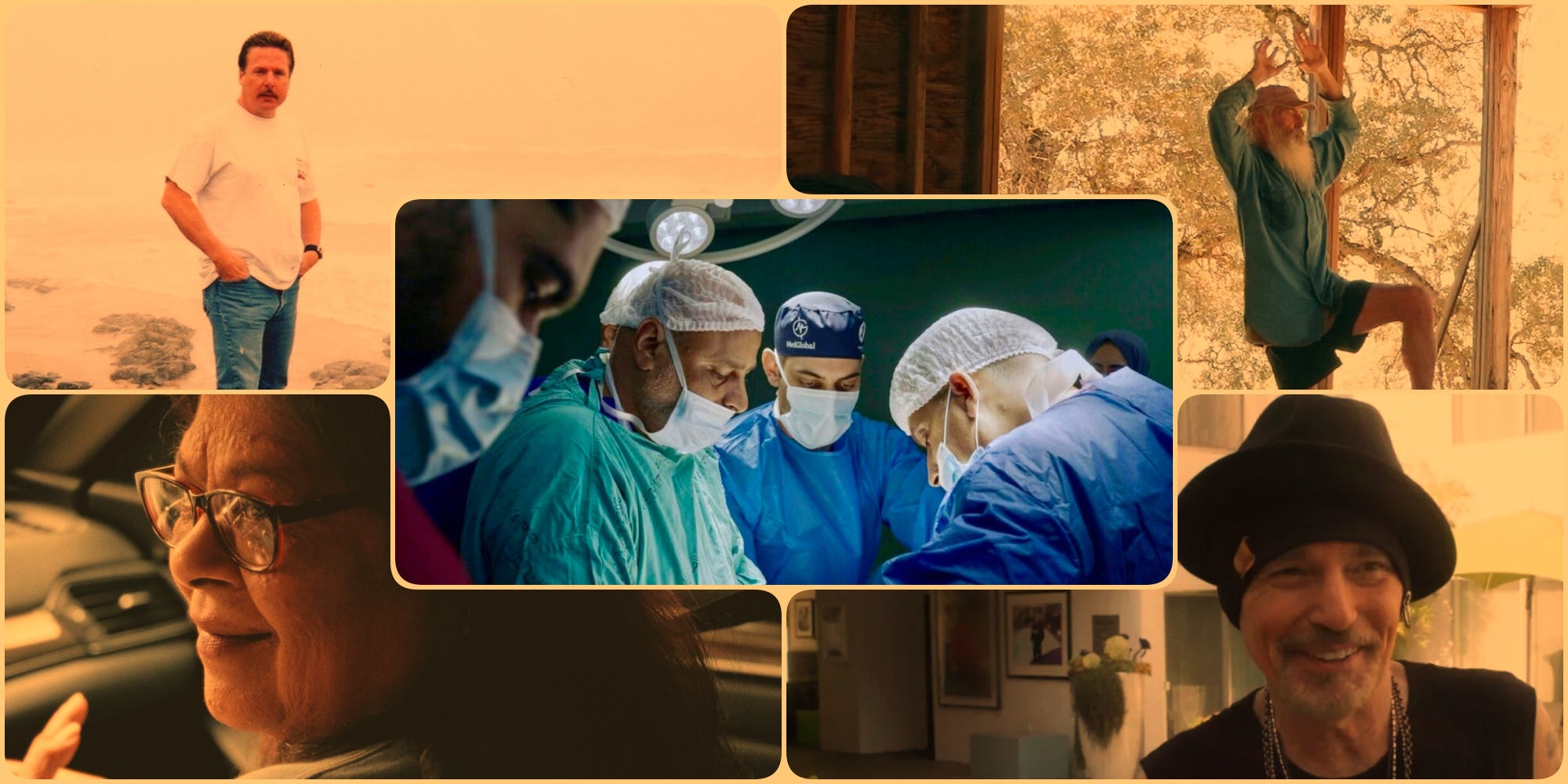
What does it say that two of our highlights this week are sequels, and another can be found in our coming attractions section? Probably nothing, except that just as documentaries are the best place to find investigative journalism these days, it’s also where we need follow-ups on those stories. Also, audiences can’t get enough of interesting and entertaining characters, in fiction or nonfiction, and they want to revisit them in new chapters of their lives. Speaking of documentaries with memorable characters, filmmaker Penny Lane wrote a great column last week on how to make real people characters into great film characters. As great as some of Lane’s characters have been, though, I can’t think of any that could or should be revisited in sequels. Maybe Kenny G?
Without further ado, below are this week’s documentary highlights, followed by daily listings for all known releases and broadcasts, along with a brief look at what’s coming soon for doc fans (including the My Undesirable Friends sequel and the latest features from Oscar-winning filmmaker Orlando von Einsiedel and Oscar-nominated filmmakers Julie Cohen and Betsy West). Please consider becoming a paid subscriber to receive more in-depth highlights and reviews in the future, plus full access to special posts like our best-of lists, and to give me more time to watch more (if not everything) available. If you have a doc needing coverage or a mention, you can now reach us at nonficseditor (at) gmail.
Nonfics Pick Of The Week: American Doctor (2026)
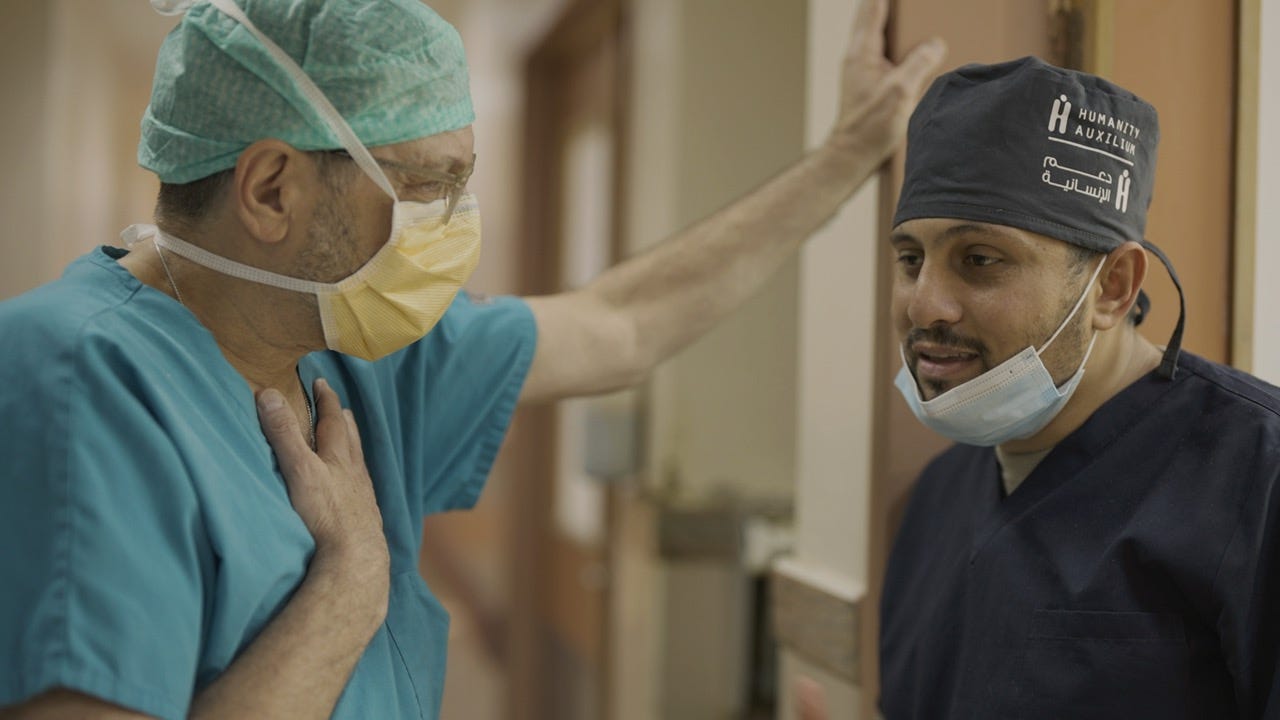
The opening scene of American Doctor involves a debate between the filmmaker (Poh Si Teng) and one of the documentary’s participants (Dr. Mark Perlmutter) over whether or not to show uncensored images of dead children. It’s the most interesting part of the film and reminded me of so many documentaries in the past that have featured children’s bodies being dug out of rubble, dead babies in hospital rooms, and small caskets being made for the youngest civilian casualties of war. These images are indeed important to show, and are very powerful, but they also seem to be exploited. In documentaries, they’re film props, even if they’re necessary and effective as such. Showing pictures of a murdered child famously sparked the American civil rights movement. Perhaps images of bloodied infants can end a genocide too?
American Doctor is an Oscar-contending documentary about three individuals who fit the film’s title and have traveled to Gaza to offer medical assistance during the current war between Israel and Palestine. Two of the doctors, one of them Jewish, the other the son of Pakistan-born Zoroastrians, are filmed on their latest trip. The third, who is of Palestinian descent, remains in the U.S. after being denied another visit. The documentary’s premise sounds like the setup of a joke involving three men of different religions entering a bar, but is certainly not treated that way. It also sounds as forced as including obligatory footage of dead children. It’s actually more of a coincidence (though the film or its marketing acting as though the Pakistani-American trauma surgeon is himself a true Zoroastrian is a stretch to fit the conceit). And ultimately, it hardly matters what faith or religious ancestry might define these physicians. The point is more that they’re Americans politically and morally opposed to the war and especially to the bombing of hospitals.
Perlmutter and his featured colleagues, Dr. Feroze Sidhwa and Dr. Thaer Ahmad, are heroes for helping to save lives despite the risks of them being the next incidental victims of targeted airstrikes. But this film isn’t about championing their bravery or portraying them in action, à la the subjects of such documentaries as Feras Fayyad’s Last Men in Aleppo and The Cave, the latter of which also involves hospital workers in danger of being bombed. American Doctor is a lot more discussion-driven. These men also make appearances on cable news programs to give witness accounts of what they’ve seen in Gaza. There is a revelatory moment that’s key to the focus of the documentary when one of the film’s stars is hearing a local doctor tell of the death of their child, and Teng keeps the camera on the American the whole time as his eyes well up with tears. I can imagine her wanting to turn the lens toward the audience next, as it’s all about getting a reaction. I can’t deny its effectiveness in doing so.
American Doctor will be released in select theaters on Friday, August 14, 2026, via Watermelon Pictures
Other Documentary Highlights
The Bend In The River (2025)
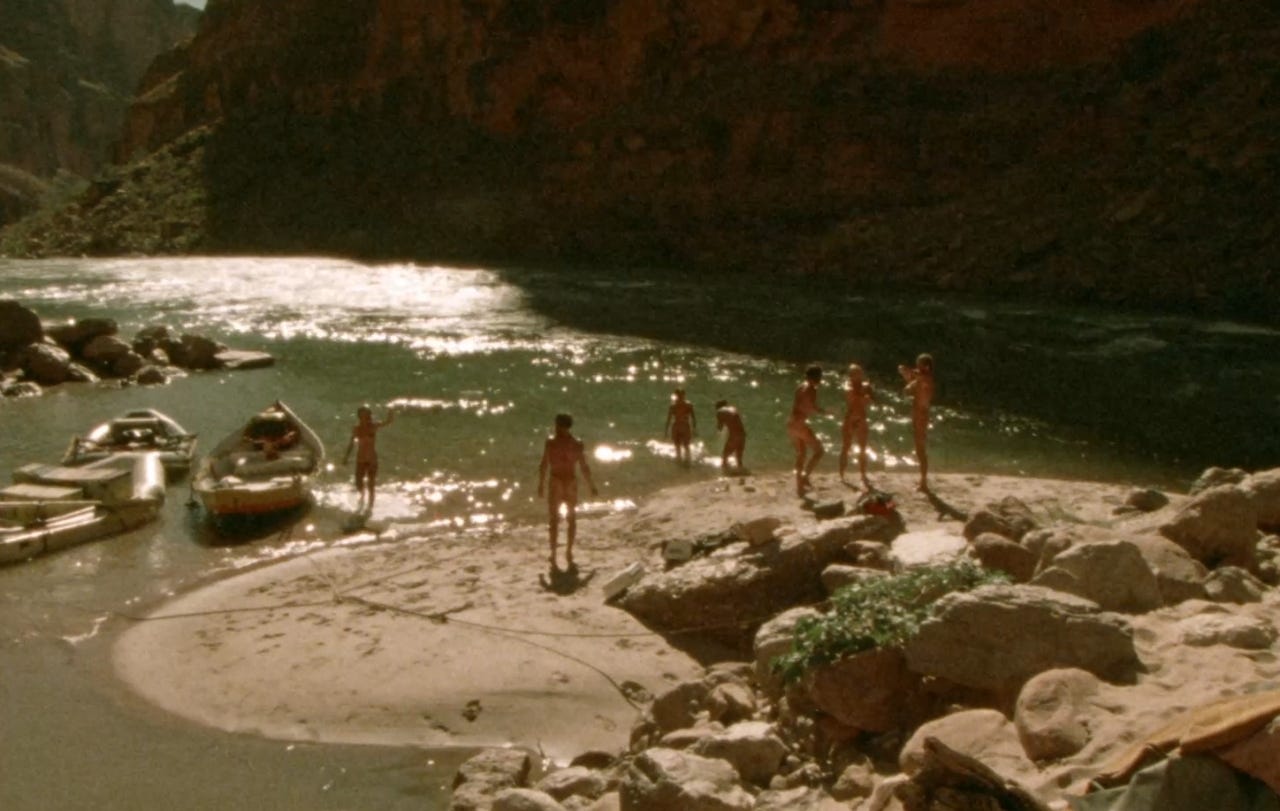
In 1982, Robb Moss released Riverdogs, a short documentary about his friends whom he lived and worked with as part of a naturalist community of Grand Canyon adventurers and guides. Twenty years later, he revisited the subjects of Riverdogs for the feature-length film The Same River Twice. Now he’s back with them for The Bend in the River, as he and his characters enter their golden years. I had not seen the first two films, but that wasn’t a problem. Similar to being able to jump into the Up series with any installment, you can enter this trilogy with its third film and get up to speed quickly. Moss includes clips from the previous two documentaries when necessary and relevant for such flashbacks, so there’s no reference point missed.
Unlike the Up documentaries, this series has put a greater distance between installments, and revisiting characters every 20 years instead of seven really breaks life into stages of getting older. This isn’t limited to just nonfiction. Plenty of dramas have made the point of portraying middle-aged reunions of people reflecting on their lives in their twenties. Getting them together in their late sixties and early seventies, the years associated with retirement age, offers another poignant point for deep reflection. “Our legacy has to be more than salad bars and Clinton,” one of the friends remarks, as the film touches on the impact made by that generation, not their nostalgia. Climate change is addressed, as Moss considers the life of the planet and the environment that was so important to these friends half a century ago, parallel to the aging of the people themselves.
But the part of The Bend in the River I found most fascinating deals with the impact of the series itself. Some of the characters reflect on having been recognized in public for their appearances in the previous films, and for one of them, a political career is threatened by statements and actions made on screen. Interestingly enough, Moss shows how the past documentary footage can also be used favorably as well as negatively depending on the extent and context of that material. This documentary is going to resonate more with viewers in the same age bracket as its subjects, but it’s surprisingly profound on themes that affect any of us and, more briefly, on niche ideas concerning the pros and cons of being a documentary subject, which nonfiction nerds like myself can appreciate. Fans of nudism films will also enjoy the old Riverdogs clips.
The Bend in the River will be released at Film Forum in New York City on Friday, August 14, and will begin streaming exclusively on Netflix in December.
Freefall: A Reckoning For Boeing (2026)
Another documentary sequel that can be watched without seeing the original is Rory Kennedy’s Freefall: A Reckoning for Boeing. In fact, I may have done a disservice to myself by watching this film directly after watching Kennedy’s 2022 documentary Downfall: The Case Against Boeing. Obviously, they don’t contain all the same material, but there is a lot of overlap. Downfall is about the specific and systemic causes of two airline disasters involving Boeing 737 Max planes, and Freefall continues the story of the company’s aftermath and adds another accident to the mix while also focusing on whistleblower and Downfall interviewee John Barnett, who died by suicide in 2024.
If Downfall ended with a hopeful note of Boeing changing its culture, or maybe just of a Netflix documentary exposing more of the issues to millions more people, Freefall doesn’t make me feel any better than I did over the last decade. In fact, given the current presidential administration’s cuts to bureaucratic oversight and regulations (some of them by Kennedy’s own brother), the safety of flying, among many other things, is at an all-time low in my mind. Freefall exacerbates my fears while further stressing problems with corporate cultures in this era of late-stage capitalism. But it’s particularly necessary because of another issue in America today, which is that investigative journalism is dying, and documentaries like this help to fill in the gaps.
Freefall: A Reckoning for Boeing will premiere exclusively on Netflix on Wednesday, August 19, 2026. Downfall: The Case Against Boeing is currently exclusively available to stream on Netflix.
If These Walls Could Rock (2025)
You’re invited to a party at the Sunset Marquis Hotel alongside special guests ranging from Slash, Ringo Starr, Roger Daltrey, Darius Rucker, and Nancy Wilson to Bruce Springsteen, Dave Grohl, Sheryl Crow, Chris Robinson, and Morrissey, among the several iconic musicians of various eras of rock ‘n’ roll. Also, “Mayor” Billy Bob Thornton is your host. You’ll hear tons of stories set in this hub of celebrity lodging, some wilder than others, some abruptly ended so their tellers don’t get into trouble naming names, and most involving sex, drugs, and/or misuse of the hotel’s pools and hot tubs. If These Walls Could Rock could easily have been your average anecdote-filled music doc, but directors Tyler Measom and Craig A. Williams give it the right tone to make you feel like you’re part of the fun (minus the risks), with silly cartoon reenactments added for occasional illustration — other times, your imagination will do just fine. It’s a bit scattershot but still cohesive in its communal spirit.
If These Walls Could Rock will be released in select theaters and on PVOD on Friday, August 14, 2026.
Lion (2026)
The real live-action version of The Lion King is finally coming to Disney platforms, and it’s even executive-produced by The Lion King (2019) director Jon Favreau and scored by Hans Zimmer (with fellow Bleeding Fingers Music composers Niccolò Pacella and George Huston Warren). Seriously, though, Lion is a four-part National Geographic nature series that follows nearly four years in the life of a male lion from cub to “king.”
[Note: The rest of our review of Lion is under embargo until Monday, August 17, 2026.]
Lion premieres on National Geographic on Wednesday, August 19, 2026, and begins streaming exclusively on Disney+ and Hulu on Thursday, August 20, 2026.
Target For Tonight (1941) & Desert Victory (1943)
Two documentary features that made Oscar history are worth highlighting this week. Harry Watt’s Target for Tonight, which received a Special Award “for its vivid and dramatic presentation of the heroism of the RAF” at the 14th Academy Awards, turns 85 years old on Tuesday, having been initially released in the UK on August 18, 1941. The film was one of two documentary features recognized that year before the Oscars introduced a category for their kind. In a recent column in my series on documentary Oscar winners, I called it “a positive piece of propaganda highlighting the military strength of the Allies,” depicting “a successful RAF bombing mission to take out an oil storage facility in Nazi Germany.” I also noted that it’s “a rather dull documentary.”
The other film, also a British production focused on World War II, was the first winner of the Oscar for Best Documentary Feature, with the category truly introduced at the 16th Academy Awards after the previous year’s broader-scoped Best Documentary field. I just wrote about Desert Victory last week in my latest column in the series and had much more favorable things to say:
“The footage is the star while the narration is the supplement or complement, rather than the other way around like in many U.S. propaganda films. Desert Victory has one of the most electrifying combat sequences of its time, when the British 8th Army begins the Battle of El Alamein in the darkness of night, lit only by the flashes of artillery fire and explosions. The sequence is disorienting enough with its strobing visuals and loud weaponry. Then a bagpiper marches into frame, adding even greater intensity to the scene with the wailing screech of the instrument mixed into the soundtrack. The film’s lead-up to this sequence, with the narration going quiet as the soldiers wait for the call to “fire!” is also edited perfectly to create suspense for what’s to come.”
Target for Tonight is currently available to stream on Prime Video, MGM+, Tubi, The Roku Channel, and Kanopy. Desert Victory is currently available to stream on Prime Video, FlixFling, and Fawesome.
Yahoo! & The Nonfiction Hotlist Short Films
There still aren’t enough platforms for short documentaries, but we now have one more. Yahoo! has partnered with The Nonfiction Hotlist to present a select library of shorts to stream for free online, and the relationship is also spawning a new film festival for the films they showcase. At the moment, this platform includes 20 short documentaries in the following categories: Arts & Culture, Biography, Business, Nature, and Sports. I think the only one I’ve seen and can recommend so far is Shanti Rides Shotgun, as that was nominated at last year’s Critics Choice Documentary Awards (which I executive-produce). The rest sound really great, though, and I’m excited to dive in when I can, as most have won awards at festivals and other events.
Documentary Release Calendar 8/14/26 – 8/20/26

Friday, August 14, 2026
American Doctor (2026) – A documentary feature about three doctors of different religious backgrounds working in Gaza during the war. See our highlights section for more info and a brief review. *NONFICS PICK* (In Theaters)
The Bend in the River (2025) – A documentary feature directed by Robb Moss and executive-produced by Joel Coen and Frances McDormand that revisits a group of friends after nearly 50 years who previously appeared in Moss’s films Riverdogs and The Same River Twice. See our highlights section for more info and a brief review. *NONFICS PICK* (In Theaters)
An Eye for an Eye (2025) – A documentary feature about a woman convicted of killing her husband and now facing execution under Sharia law. Read our review of An Eye for an Eye. (Jolt.Film)
If These Walls Could Rock (2025) – A documentary feature about the rock ‘n’ roll history of the Sunset Marquis hotel in Los Angeles. See our highlights section for more info and a brief review. (In Theaters and VOD)
Saturday, August 15, 2026
The Great Heart (1938) – An Oscar-nominated short about Father Damien and his work with lepers on Molokai Island. (TCM)
NASCAR Americana Episode 2: “Family Bonds” – The second installment of a three-part docuseries about NASCAR’s place in American history. (USA Network)
The Real Murders of Atlanta Season 4, Episode 6: “A Mother’s Nightmare” – The latest installment of an Atlanta-focused true-crime docuseries. This episode involves the Covington, GA church community. (Oxygen)
Sunday, August 16, 2026
A Day on Treasure Island (1939) – A short documentary installment of James A. FitzPatrick’s TravelTalks travelogue franchise that showcases the 1939 Golden Gate Exposition and the titular island in San Francisco Bay. (TCM)
Decades in Sports Episodes 4: “1990s” – The fourth installment of a six-part docuseries executive produced by Tom Hanks about milestones in sports in America. (CNN)
First Aid (1943) – A short film about basic first aid techniques. (TCM)
Hazardous History with Henry Winkler Season 2, Episode 17: “Crazy Cures” – The latest installment of a docuseries about dangerous toys and household items that used to be common. This episode involves snake oils, tonics, and other risky supposed cures. (History)
The Mega-Brands That Built America Season 4, Episode 3: “Ideas That Stick” – The latest installment of a docuseries about iconic brands. This installment covers Band-Aids. (History)
Moments in Music (1950) – A short film showcasing musical film clips. (TCM)
Unknown Serial Killers of America Season 2, Episode 3: “Rory Conde” – The latest episode of a true-crime series about less-famous murderers. (Oxygen)
Monday, August 17, 2026
Ambiguous Losses (2026) – An animated short documentary about twin sisters adopted from China. (National Film Board of Canada)
Hospital, With Love (2026) – An animated short documentary about the technological changes to a hospital. (National Film Board of Canada)
A Killer Among Friends Season 2, Episode 5: “Murder Lasts Forever” – The latest installment of a true-crime docuseries about murders that tear friend groups apart. This episode involves a missing teenager in North Carolina. (Investigation Discovery)
Matrescence (2026) – An animated short documentary about the science of motherhood. (National Film Board of Canada)
Somebody Knows Something Season 1, Episode 3: “Disappeared in the Desert” – The latest installment of a true-crime series about unsolved murder and missing persons cases. (Freeform)
Tuesday, August 18, 2026
Dark Side of the Ring Season 7, Episode 8: “The Walking Riot: Missy Hyatt” – The latest installment of a docuseries that shares the darkest stories of professional wrestling. (Vice)
20 Farmers Hit Fame – No Business Like Show Business (2012) – A documentary feature (also known as Die Wiesenberger – No Business Like Show Business) about Swiss singing mountain farmers whose CD becomes a hit. (OVID)
Hard Knocks: Training Camp with the Seattle Seahawks Episode 3 – The latest installment of the Hard Knocks franchise (technically Hard Knocks Season 22) goes behind the scenes with the titular football team. (HBO and HBO Max)
Homestead Rescue: Intervention Season 1, Episode 5: “Harsh Reality” – The latest episode of a docuseries that follows wilderness experts as they save lives. (Discovery)
Married to Comics (2023) – A documentary feature about married comic book artists Justin Green and Carol Tyler. (DVD)
Portrait of the Queen (2022) – A documentary feature about Queen Elizabeth II by way of her official photographs. (DVD and Blu-ray)
Real Love: The Story of International Beatleweek (2026) – A documentary about Liverpool’s International Beatleweek festival. (DVD and Blu-ray)
Rough Riding (1954) – A short documentary in the Pete Smith Specialty series that showcases a rodeo in Casper, Wyoming. (TCM)
The Secret of Skinwalker Ranch Season 7, Episode 14: “Top Secrets” – The latest installment of a docuseries about UFO phenomena at the Skinwalker Ranch. (History)
Wednesday, August 19, 2026
911: Did the Killer Call? Season 2, Episode 7: “Death and Denials” – The latest installment of a true-crime docuseries about cases where the murderer is on the 911 call. (Investigation Discovery)
Eons: Life and Death on Pangea Episode 5: “That Time Almost Everything Died” – The latest installment of a six-part docuseries on the mass-extinction event known as the “Great Dying.” (PBS)
ER: Caught on Camera Season 1, Episode 7: “The Girl With Two Uteruses” – The latest installment of a docuseries in which medical patients recall experiences in hospital emergency rooms. (TLC)
Expedition X Season 12, Episode 1 – The latest installment of a paranormal investigation series. The episode visits Nottingham, England. (Discovery)
Freefall: A Reckoning for Boeing (2026) – A documentary feature directed by Oscar-nominated filmmaker Rory Kennedy (The Last Days of Vietnam) about the jet manufacturer deemed responsible for multiple plane crashes. This film is a follow-up to Kennedy’s 2022 documentary Downfall: The Case Against Boeing. See our highlights section for more info and a brief review. (Netflix)
Lion (2026) – A nature docuseries produced by Jon Favreau and scored by Hans Zimmer about a real lion cub on his journey to become king. See our highlights section for more info. (National Geographic)
Untold Stories of the ER Season 14, Episode 1 – The return of a docuseries about difficult emergency room cases. (TLC)
Thursday, August 20, 2026
Cherry Blossom Time in Japan (1936) – A short documentary installment of James A. FitzPatrick’s TravelTalks travelogue franchise that explores the culture and religions of Japan. (TCM)
Disney Worldbuilders (2026) – A documentary feature directed by Leslie Iwerks (The Pixar Story) about the people who turn Disney IP into theme park attractions. (Disney+)
Engineering from Above Episode 2: “For the Gods” – The latest installment of a docuseries presenting aerial views of engineering marvels. (History)
Lion (2026) – A nature docuseries produced by Jon Favreau and scored by Hans Zimmer about a real lion cub on his journey to become king. See our highlights section for more info. (Disney+ and Hulu)
Monsters of God Episode 3: “Smuggler’s Inn” – The third installment of a five-part docuseries by Tiger King co-director Eric Goode about the history of exotic reptile smugglers. Read our review of Monsters of God. (HBO and HBO Max)
Nowhere in the World (2024) – A documentary feature about shepherds in Italy. (OVID)
Trained Hoofs (1935) – A short documentary showing how racehorses are trained. (TCM)
Women Conquer the Art Business (2024) – A medium-length documentary about women artists in Switzerland. (OVID)
Sneak Peek At What’s Coming Soon
8/21 – Learning to Fly – A documentary feature about photographer Aisha McAdams, who takes pictures of marathon runners. (In Theaters)
8/28 – The Cycle of Love – A documentary feature by Oscar-winning director Orlando von Einsiedel (The White Helmets) about a Delhi street artist who rode his bicycle 6,000 to reunite with the woman he loved. (In Theaters)
8/28 – Threshold – A documentary about cross-country skier Jessie Diggins. (VOD)
8/28 – Top of the World – A short documentary by Oscar-nominated directors Julie Cohen and Betsy West (RBG) about Windows on the World, the restaurant at the top of the World Trade Center. Watch the new trailer for the film below. (In Theaters)
9/2 – Katy Perry: The Lifetimes Tour – Live from Paris – A concert film starring the titular singer. (In Theaters)
9/4 – Give it a Shot – A documentary feature about the launch of a male contraceptive. Watch the new trailer for the film below. (In Theaters)
9/7 – The Hooters Murders: Deadly Shift – A true-crime documentary about three Hooters employees killed between 2001 and 2010. (Oxygen)
9/10 – WrestleHer – An 11-part docuseries about the rise of girls’ high school wrestling. Watch the new trailer for the series via Deadline. (Allez! Sports and Documentary+)
9/11 – Black Zombie – A documentary about the history of zombie lore and its origins in Haitian spiritual traditions. Watch the new trailer for the film below. (In Theaters)
9/17 – First They Came for My College – A documentary about a right-wing political coup at a public college in Florida. (In Theaters)
9/18 – The History of Concrete – A documentary feature by John Wilson about concrete. (In Theaters)
9/20 – The Detour with David Chang – A six-part docuseries that follows the titular chef on the road. Watch the new trailer for the series below. (CNN)
10/2 – Everybody to Kenmure Street (2026) – A Sundance-winning documentary feature about residents of Glasgow coming together against deportation threats. *NONFICS PICK* (In Theaters: Los Angeles Release)
10/9 – My Undesirable Friends: Part II – Exile – A documentary sequel directed by Julia Loktev that follows the characters from My Undesirable Friends: Part I – Last Air in Moscow after they leave Russia. (In Theaters)
Nonfics is a reader-supported publication. To receive new posts and support my work, consider becoming a free or paid subscriber.
What does it say that two of our highlights this week are sequels, and another can be found in our coming attractions section? Probably nothing, except that just as documentaries are the best place to find investigative journalism these days, it’s also where we need follow-ups on those stories. Also, audiences can’t get enough of interesting and entertaining characters, in fiction or nonfiction, and they want to revisit them in new chapters of their lives. Speaking of documentaries with memorable characters, filmmaker Penny Lane wrote a great column last week on how to make real people characters into great film characters. As great as some of Lane’s characters have been, though, I can’t think of any that could or should be revisited in sequels. Maybe Kenny G?
Without further ado, below are this week’s documentary highlights, followed by daily listings for all known releases and broadcasts, along with a brief look at what’s coming soon for doc fans (including the My Undesirable Friends sequel and the latest features from Oscar-winning filmmaker Orlando von Einsiedel and Oscar-nominated filmmakers Julie Cohen and Betsy West). Please consider becoming a paid subscriber to receive more in-depth highlights and reviews in the future, plus full access to special posts like our best-of lists, and to give me more time to watch more (if not everything) available. If you have a doc needing coverage or a mention, you can now reach us at nonficseditor (at) gmail.
Nonfics Pick Of The Week: American Doctor (2026)
The opening scene of American Doctor involves a debate between the filmmaker (Poh Si Teng) and one of the documentary’s participants (Dr. Mark Perlmutter) over whether or not to show uncensored images of dead children. It’s the most interesting part of the film and reminded me of so many documentaries in the past that have featured children’s bodies being dug out of rubble, dead babies in hospital rooms, and small caskets being made for the youngest civilian casualties of war. These images are indeed important to show, and are very powerful, but they also seem to be exploited. In documentaries, they’re film props, even if they’re necessary and effective as such. Showing pictures of a murdered child famously sparked the American civil rights movement. Perhaps images of bloodied infants can end a genocide too?
American Doctor is an Oscar-contending documentary about three individuals who fit the film’s title and have traveled to Gaza to offer medical assistance during the current war between Israel and Palestine. Two of the doctors, one of them Jewish, the other the son of Pakistan-born Zoroastrians, are filmed on their latest trip. The third, who is of Palestinian descent, remains in the U.S. after being denied another visit. The documentary’s premise sounds like the setup of a joke involving three men of different religions entering a bar, but is certainly not treated that way. It also sounds as forced as including obligatory footage of dead children. It’s actually more of a coincidence (though the film or its marketing acting as though the Pakistani-American trauma surgeon is himself a true Zoroastrian is a stretch to fit the conceit). And ultimately, it hardly matters what faith or religious ancestry might define these physicians. The point is more that they’re Americans politically and morally opposed to the war and especially to the bombing of hospitals.
Perlmutter and his featured colleagues, Dr. Feroze Sidhwa and Dr. Thaer Ahmad, are heroes for helping to save lives despite the risks of them being the next incidental victims of targeted airstrikes. But this film isn’t about championing their bravery or portraying them in action, à la the subjects of such documentaries as Feras Fayyad’s Last Men in Aleppo and The Cave, the latter of which also involves hospital workers in danger of being bombed. American Doctor is a lot more discussion-driven. These men also make appearances on cable news programs to give witness accounts of what they’ve seen in Gaza. There is a revelatory moment that’s key to the focus of the documentary when one of the film’s stars is hearing a local doctor tell of the death of their child, and Teng keeps the camera on the American the whole time as his eyes well up with tears. I can imagine her wanting to turn the lens toward the audience next, as it’s all about getting a reaction. I can’t deny its effectiveness in doing so.
American Doctor will be released in select theaters on Friday, August 14, 2026, via Watermelon Pictures
Other Documentary Highlights
The Bend In The River (2025)
In 1982, Robb Moss released Riverdogs, a short documentary about his friends whom he lived and worked with as part of a naturalist community of Grand Canyon adventurers and guides. Twenty years later, he revisited the subjects of Riverdogs for the feature-length film The Same River Twice. Now he’s back with them for The Bend in the River, as he and his characters enter their golden years. I had not seen the first two films, but that wasn’t a problem. Similar to being able to jump into the Up series with any installment, you can enter this trilogy with its third film and get up to speed quickly. Moss includes clips from the previous two documentaries when necessary and relevant for such flashbacks, so there’s no reference point missed.
Unlike the Up documentaries, this series has put a greater distance between installments, and revisiting characters every 20 years instead of seven really breaks life into stages of getting older. This isn’t limited to just nonfiction. Plenty of dramas have made the point of portraying middle-aged reunions of people reflecting on their lives in their twenties. Getting them together in their late sixties and early seventies, the years associated with retirement age, offers another poignant point for deep reflection. “Our legacy has to be more than salad bars and Clinton,” one of the friends remarks, as the film touches on the impact made by that generation, not their nostalgia. Climate change is addressed, as Moss considers the life of the planet and the environment that was so important to these friends half a century ago, parallel to the aging of the people themselves.
But the part of The Bend in the River I found most fascinating deals with the impact of the series itself. Some of the characters reflect on having been recognized in public for their appearances in the previous films, and for one of them, a political career is threatened by statements and actions made on screen. Interestingly enough, Moss shows how the past documentary footage can also be used favorably as well as negatively depending on the extent and context of that material. This documentary is going to resonate more with viewers in the same age bracket as its subjects, but it’s surprisingly profound on themes that affect any of us and, more briefly, on niche ideas concerning the pros and cons of being a documentary subject, which nonfiction nerds like myself can appreciate. Fans of nudism films will also enjoy the old Riverdogs clips.
The Bend in the River will be released at Film Forum in New York City on Friday, August 14, and will begin streaming exclusively on Netflix in December.
Freefall: A Reckoning For Boeing (2026)
Another documentary sequel that can be watched without seeing the original is Rory Kennedy’s Freefall: A Reckoning for Boeing. In fact, I may have done a disservice to myself by watching this film directly after watching Kennedy’s 2022 documentary Downfall: The Case Against Boeing. Obviously, they don’t contain all the same material, but there is a lot of overlap. Downfall is about the specific and systemic causes of two airline disasters involving Boeing 737 Max planes, and Freefall continues the story of the company’s aftermath and adds another accident to the mix while also focusing on whistleblower and Downfall interviewee John Barnett, who died by suicide in 2024.
If Downfall ended with a hopeful note of Boeing changing its culture, or maybe just of a Netflix documentary exposing more of the issues to millions more people, Freefall doesn’t make me feel any better than I did over the last decade. In fact, given the current presidential administration’s cuts to bureaucratic oversight and regulations (some of them by Kennedy’s own brother), the safety of flying, among many other things, is at an all-time low in my mind. Freefall exacerbates my fears while further stressing problems with corporate cultures in this era of late-stage capitalism. But it’s particularly necessary because of another issue in America today, which is that investigative journalism is dying, and documentaries like this help to fill in the gaps.
Freefall: A Reckoning for Boeing will premiere exclusively on Netflix on Wednesday, August 19, 2026. Downfall: The Case Against Boeing is currently exclusively available to stream on Netflix.
If These Walls Could Rock (2025)
You’re invited to a party at the Sunset Marquis Hotel alongside special guests ranging from Slash, Ringo Starr, Roger Daltrey, Darius Rucker, and Nancy Wilson to Bruce Springsteen, Dave Grohl, Sheryl Crow, Chris Robinson, and Morrissey, among the several iconic musicians of various eras of rock ‘n’ roll. Also, “Mayor” Billy Bob Thornton is your host. You’ll hear tons of stories set in this hub of celebrity lodging, some wilder than others, some abruptly ended so their tellers don’t get into trouble naming names, and most involving sex, drugs, and/or misuse of the hotel’s pools and hot tubs. If These Walls Could Rock could easily have been your average anecdote-filled music doc, but directors Tyler Measom and Craig A. Williams give it the right tone to make you feel like you’re part of the fun (minus the risks), with silly cartoon reenactments added for occasional illustration — other times, your imagination will do just fine. It’s a bit scattershot but still cohesive in its communal spirit.
If These Walls Could Rock will be released in select theaters and on PVOD on Friday, August 14, 2026.
Lion (2026)
The real live-action version of The Lion King is finally coming to Disney platforms, and it’s even executive-produced by The Lion King (2019) director Jon Favreau and scored by Hans Zimmer (with fellow Bleeding Fingers Music composers Niccolò Pacella and George Huston Warren). Seriously, though, Lion is a four-part National Geographic nature series that follows nearly four years in the life of a male lion from cub to “king.”
[Note: The rest of our review of Lion is under embargo until Monday, August 17, 2026.]
Lion premieres on National Geographic on Wednesday, August 19, 2026, and begins streaming exclusively on Disney+ and Hulu on Thursday, August 20, 2026.
Target For Tonight (1941) & Desert Victory (1943)
Two documentary features that made Oscar history are worth highlighting this week. Harry Watt’s Target for Tonight, which received a Special Award “for its vivid and dramatic presentation of the heroism of the RAF” at the 14th Academy Awards, turns 85 years old on Tuesday, having been initially released in the UK on August 18, 1941. The film was one of two documentary features recognized that year before the Oscars introduced a category for their kind. In a recent column in my series on documentary Oscar winners, I called it “a positive piece of propaganda highlighting the military strength of the Allies,” depicting “a successful RAF bombing mission to take out an oil storage facility in Nazi Germany.” I also noted that it’s “a rather dull documentary.”
The other film, also a British production focused on World War II, was the first winner of the Oscar for Best Documentary Feature, with the category truly introduced at the 16th Academy Awards after the previous year’s broader-scoped Best Documentary field. I just wrote about Desert Victory last week in my latest column in the series and had much more favorable things to say:
“The footage is the star while the narration is the supplement or complement, rather than the other way around like in many U.S. propaganda films. Desert Victory has one of the most electrifying combat sequences of its time, when the British 8th Army begins the Battle of El Alamein in the darkness of night, lit only by the flashes of artillery fire and explosions. The sequence is disorienting enough with its strobing visuals and loud weaponry. Then a bagpiper marches into frame, adding even greater intensity to the scene with the wailing screech of the instrument mixed into the soundtrack. The film’s lead-up to this sequence, with the narration going quiet as the soldiers wait for the call to “fire!” is also edited perfectly to create suspense for what’s to come.”
Target for Tonight is currently available to stream on Prime Video, MGM+, Tubi, The Roku Channel, and Kanopy. Desert Victory is currently available to stream on Prime Video, FlixFling, and Fawesome.
Yahoo! & The Nonfiction Hotlist Short Films
There still aren’t enough platforms for short documentaries, but we now have one more. Yahoo! has partnered with The Nonfiction Hotlist to present a select library of shorts to stream for free online, and the relationship is also spawning a new film festival for the films they showcase. At the moment, this platform includes 20 short documentaries in the following categories: Arts & Culture, Biography, Business, Nature, and Sports. I think the only one I’ve seen and can recommend so far is Shanti Rides Shotgun, as that was nominated at last year’s Critics Choice Documentary Awards (which I executive-produce). The rest sound really great, though, and I’m excited to dive in when I can, as most have won awards at festivals and other events.
Documentary Release Calendar 8/14/26 – 8/20/26
Friday, August 14, 2026
American Doctor (2026) – A documentary feature about three doctors of different religious backgrounds working in Gaza during the war. See our highlights section for more info and a brief review. *NONFICS PICK* (In Theaters)
The Bend in the River (2025) – A documentary feature directed by Robb Moss and executive-produced by Joel Coen and Frances McDormand that revisits a group of friends after nearly 50 years who previously appeared in Moss’s films Riverdogs and The Same River Twice. See our highlights section for more info and a brief review. *NONFICS PICK* (In Theaters)
An Eye for an Eye (2025) – A documentary feature about a woman convicted of killing her husband and now facing execution under Sharia law. Read our review of An Eye for an Eye. (Jolt.Film)
If These Walls Could Rock (2025) – A documentary feature about the rock ‘n’ roll history of the Sunset Marquis hotel in Los Angeles. See our highlights section for more info and a brief review. (In Theaters and VOD)
Saturday, August 15, 2026
The Great Heart (1938) – An Oscar-nominated short about Father Damien and his work with lepers on Molokai Island. (TCM)
NASCAR Americana Episode 2: “Family Bonds” – The second installment of a three-part docuseries about NASCAR’s place in American history. (USA Network)
The Real Murders of Atlanta Season 4, Episode 6: “A Mother’s Nightmare” – The latest installment of an Atlanta-focused true-crime docuseries. This episode involves the Covington, GA church community. (Oxygen)
Sunday, August 16, 2026
A Day on Treasure Island (1939) – A short documentary installment of James A. FitzPatrick’s TravelTalks travelogue franchise that showcases the 1939 Golden Gate Exposition and the titular island in San Francisco Bay. (TCM)
Decades in Sports Episodes 4: “1990s” – The fourth installment of a six-part docuseries executive produced by Tom Hanks about milestones in sports in America. (CNN)
First Aid (1943) – A short film about basic first aid techniques. (TCM)
Hazardous History with Henry Winkler Season 2, Episode 17: “Crazy Cures” – The latest installment of a docuseries about dangerous toys and household items that used to be common. This episode involves snake oils, tonics, and other risky supposed cures. (History)
The Mega-Brands That Built America Season 4, Episode 3: “Ideas That Stick” – The latest installment of a docuseries about iconic brands. This installment covers Band-Aids. (History)
Moments in Music (1950) – A short film showcasing musical film clips. (TCM)
Unknown Serial Killers of America Season 2, Episode 3: “Rory Conde” – The latest episode of a true-crime series about less-famous murderers. (Oxygen)
Monday, August 17, 2026
Ambiguous Losses (2026) – An animated short documentary about twin sisters adopted from China. (National Film Board of Canada)
Hospital, With Love (2026) – An animated short documentary about the technological changes to a hospital. (National Film Board of Canada)
A Killer Among Friends Season 2, Episode 5: “Murder Lasts Forever” – The latest installment of a true-crime docuseries about murders that tear friend groups apart. This episode involves a missing teenager in North Carolina. (Investigation Discovery)
Matrescence (2026) – An animated short documentary about the science of motherhood. (National Film Board of Canada)
Somebody Knows Something Season 1, Episode 3: “Disappeared in the Desert” – The latest installment of a true-crime series about unsolved murder and missing persons cases. (Freeform)
Tuesday, August 18, 2026
Dark Side of the Ring Season 7, Episode 8: “The Walking Riot: Missy Hyatt” – The latest installment of a docuseries that shares the darkest stories of professional wrestling. (Vice)
20 Farmers Hit Fame – No Business Like Show Business (2012) – A documentary feature (also known as Die Wiesenberger – No Business Like Show Business) about Swiss singing mountain farmers whose CD becomes a hit. (OVID)
Hard Knocks: Training Camp with the Seattle Seahawks Episode 3 – The latest installment of the Hard Knocks franchise (technically Hard Knocks Season 22) goes behind the scenes with the titular football team. (HBO and HBO Max)
Homestead Rescue: Intervention Season 1, Episode 5: “Harsh Reality” – The latest episode of a docuseries that follows wilderness experts as they save lives. (Discovery)
Married to Comics (2023) – A documentary feature about married comic book artists Justin Green and Carol Tyler. (DVD)
Portrait of the Queen (2022) – A documentary feature about Queen Elizabeth II by way of her official photographs. (DVD and Blu-ray)
Real Love: The Story of International Beatleweek (2026) – A documentary about Liverpool’s International Beatleweek festival. (DVD and Blu-ray)
Rough Riding (1954) – A short documentary in the Pete Smith Specialty series that showcases a rodeo in Casper, Wyoming. (TCM)
The Secret of Skinwalker Ranch Season 7, Episode 14: “Top Secrets” – The latest installment of a docuseries about UFO phenomena at the Skinwalker Ranch. (History)
Wednesday, August 19, 2026
911: Did the Killer Call? Season 2, Episode 7: “Death and Denials” – The latest installment of a true-crime docuseries about cases where the murderer is on the 911 call. (Investigation Discovery)
Eons: Life and Death on Pangea Episode 5: “That Time Almost Everything Died” – The latest installment of a six-part docuseries on the mass-extinction event known as the “Great Dying.” (PBS)
ER: Caught on Camera Season 1, Episode 7: “The Girl With Two Uteruses” – The latest installment of a docuseries in which medical patients recall experiences in hospital emergency rooms. (TLC)
Expedition X Season 12, Episode 1 – The latest installment of a paranormal investigation series. The episode visits Nottingham, England. (Discovery)
Freefall: A Reckoning for Boeing (2026) – A documentary feature directed by Oscar-nominated filmmaker Rory Kennedy (The Last Days of Vietnam) about the jet manufacturer deemed responsible for multiple plane crashes. This film is a follow-up to Kennedy’s 2022 documentary Downfall: The Case Against Boeing. See our highlights section for more info and a brief review. (Netflix)
Lion (2026) – A nature docuseries produced by Jon Favreau and scored by Hans Zimmer about a real lion cub on his journey to become king. See our highlights section for more info. (National Geographic)
Untold Stories of the ER Season 14, Episode 1 – The return of a docuseries about difficult emergency room cases. (TLC)
Thursday, August 20, 2026
Cherry Blossom Time in Japan (1936) – A short documentary installment of James A. FitzPatrick’s TravelTalks travelogue franchise that explores the culture and religions of Japan. (TCM)
Disney Worldbuilders (2026) – A documentary feature directed by Leslie Iwerks (The Pixar Story) about the people who turn Disney IP into theme park attractions. (Disney+)
Engineering from Above Episode 2: “For the Gods” – The latest installment of a docuseries presenting aerial views of engineering marvels. (History)
Lion (2026) – A nature docuseries produced by Jon Favreau and scored by Hans Zimmer about a real lion cub on his journey to become king. See our highlights section for more info. (Disney+ and Hulu)
Monsters of God Episode 3: “Smuggler’s Inn” – The third installment of a five-part docuseries by Tiger King co-director Eric Goode about the history of exotic reptile smugglers. Read our review of Monsters of God. (HBO and HBO Max)
Nowhere in the World (2024) – A documentary feature about shepherds in Italy. (OVID)
Trained Hoofs (1935) – A short documentary showing how racehorses are trained. (TCM)
Women Conquer the Art Business (2024) – A medium-length documentary about women artists in Switzerland. (OVID)
Sneak Peek At What’s Coming Soon
8/21 – Learning to Fly – A documentary feature about photographer Aisha McAdams, who takes pictures of marathon runners. (In Theaters)
8/28 – The Cycle of Love – A documentary feature by Oscar-winning director Orlando von Einsiedel (The White Helmets) about a Delhi street artist who rode his bicycle 6,000 to reunite with the woman he loved. (In Theaters)
8/28 – Threshold – A documentary about cross-country skier Jessie Diggins. (VOD)
8/28 – Top of the World – A short documentary by Oscar-nominated directors Julie Cohen and Betsy West (RBG) about Windows on the World, the restaurant at the top of the World Trade Center. Watch the new trailer for the film below. (In Theaters)
9/2 – Katy Perry: The Lifetimes Tour – Live from Paris – A concert film starring the titular singer. (In Theaters)
9/4 – Give it a Shot – A documentary feature about the launch of a male contraceptive. Watch the new trailer for the film below. (In Theaters)
9/7 – The Hooters Murders: Deadly Shift – A true-crime documentary about three Hooters employees killed between 2001 and 2010. (Oxygen)
9/10 – WrestleHer – An 11-part docuseries about the rise of girls’ high school wrestling. Watch the new trailer for the series via Deadline. (Allez! Sports and Documentary+)
9/11 – Black Zombie – A documentary about the history of zombie lore and its origins in Haitian spiritual traditions. Watch the new trailer for the film below. (In Theaters)
9/17 – First They Came for My College – A documentary about a right-wing political coup at a public college in Florida. (In Theaters)
9/18 – The History of Concrete – A documentary feature by John Wilson about concrete. (In Theaters)
9/20 – The Detour with David Chang – A six-part docuseries that follows the titular chef on the road. Watch the new trailer for the series below. (CNN)
10/2 – Everybody to Kenmure Street (2026) – A Sundance-winning documentary feature about residents of Glasgow coming together against deportation threats. *NONFICS PICK* (In Theaters: Los Angeles Release)
10/9 – My Undesirable Friends: Part II – Exile – A documentary sequel directed by Julia Loktev that follows the characters from My Undesirable Friends: Part I – Last Air in Moscow after they leave Russia. (In Theaters)
Nonfics is a reader-supported publication. To receive new posts and support my work, consider becoming a free or paid subscriber.
What does it say that two of our highlights this week are sequels, and another can be found in our coming attractions section? Probably nothing, except that just as documentaries are the best place to find investigative journalism these days, it’s also where we need follow-ups on those stories. Also, audiences can’t get enough of interesting and entertaining characters, in fiction or nonfiction, and they want to revisit them in new chapters of their lives. Speaking of documentaries with memorable characters, filmmaker Penny Lane wrote a great column last week on how to make real people characters into great film characters. As great as some of Lane’s characters have been, though, I can’t think of any that could or should be revisited in sequels. Maybe Kenny G?
Without further ado, below are this week’s documentary highlights, followed by daily listings for all known releases and broadcasts, along with a brief look at what’s coming soon for doc fans (including the My Undesirable Friends sequel and the latest features from Oscar-winning filmmaker Orlando von Einsiedel and Oscar-nominated filmmakers Julie Cohen and Betsy West). Please consider becoming a paid subscriber to receive more in-depth highlights and reviews in the future, plus full access to special posts like our best-of lists, and to give me more time to watch more (if not everything) available. If you have a doc needing coverage or a mention, you can now reach us at nonficseditor (at) gmail.
Nonfics Pick Of The Week: American Doctor (2026)
The opening scene of American Doctor involves a debate between the filmmaker (Poh Si Teng) and one of the documentary’s participants (Dr. Mark Perlmutter) over whether or not to show uncensored images of dead children. It’s the most interesting part of the film and reminded me of so many documentaries in the past that have featured children’s bodies being dug out of rubble, dead babies in hospital rooms, and small caskets being made for the youngest civilian casualties of war. These images are indeed important to show, and are very powerful, but they also seem to be exploited. In documentaries, they’re film props, even if they’re necessary and effective as such. Showing pictures of a murdered child famously sparked the American civil rights movement. Perhaps images of bloodied infants can end a genocide too?
American Doctor is an Oscar-contending documentary about three individuals who fit the film’s title and have traveled to Gaza to offer medical assistance during the current war between Israel and Palestine. Two of the doctors, one of them Jewish, the other the son of Pakistan-born Zoroastrians, are filmed on their latest trip. The third, who is of Palestinian descent, remains in the U.S. after being denied another visit. The documentary’s premise sounds like the setup of a joke involving three men of different religions entering a bar, but is certainly not treated that way. It also sounds as forced as including obligatory footage of dead children. It’s actually more of a coincidence (though the film or its marketing acting as though the Pakistani-American trauma surgeon is himself a true Zoroastrian is a stretch to fit the conceit). And ultimately, it hardly matters what faith or religious ancestry might define these physicians. The point is more that they’re Americans politically and morally opposed to the war and especially to the bombing of hospitals.
Perlmutter and his featured colleagues, Dr. Feroze Sidhwa and Dr. Thaer Ahmad, are heroes for helping to save lives despite the risks of them being the next incidental victims of targeted airstrikes. But this film isn’t about championing their bravery or portraying them in action, à la the subjects of such documentaries as Feras Fayyad’s Last Men in Aleppo and The Cave, the latter of which also involves hospital workers in danger of being bombed. American Doctor is a lot more discussion-driven. These men also make appearances on cable news programs to give witness accounts of what they’ve seen in Gaza. There is a revelatory moment that’s key to the focus of the documentary when one of the film’s stars is hearing a local doctor tell of the death of their child, and Teng keeps the camera on the American the whole time as his eyes well up with tears. I can imagine her wanting to turn the lens toward the audience next, as it’s all about getting a reaction. I can’t deny its effectiveness in doing so.
American Doctor will be released in select theaters on Friday, August 14, 2026, via Watermelon Pictures
Other Documentary Highlights
The Bend In The River (2025)
In 1982, Robb Moss released Riverdogs, a short documentary about his friends whom he lived and worked with as part of a naturalist community of Grand Canyon adventurers and guides. Twenty years later, he revisited the subjects of Riverdogs for the feature-length film The Same River Twice. Now he’s back with them for The Bend in the River, as he and his characters enter their golden years. I had not seen the first two films, but that wasn’t a problem. Similar to being able to jump into the Up series with any installment, you can enter this trilogy with its third film and get up to speed quickly. Moss includes clips from the previous two documentaries when necessary and relevant for such flashbacks, so there’s no reference point missed.
Unlike the Up documentaries, this series has put a greater distance between installments, and revisiting characters every 20 years instead of seven really breaks life into stages of getting older. This isn’t limited to just nonfiction. Plenty of dramas have made the point of portraying middle-aged reunions of people reflecting on their lives in their twenties. Getting them together in their late sixties and early seventies, the years associated with retirement age, offers another poignant point for deep reflection. “Our legacy has to be more than salad bars and Clinton,” one of the friends remarks, as the film touches on the impact made by that generation, not their nostalgia. Climate change is addressed, as Moss considers the life of the planet and the environment that was so important to these friends half a century ago, parallel to the aging of the people themselves.
But the part of The Bend in the River I found most fascinating deals with the impact of the series itself. Some of the characters reflect on having been recognized in public for their appearances in the previous films, and for one of them, a political career is threatened by statements and actions made on screen. Interestingly enough, Moss shows how the past documentary footage can also be used favorably as well as negatively depending on the extent and context of that material. This documentary is going to resonate more with viewers in the same age bracket as its subjects, but it’s surprisingly profound on themes that affect any of us and, more briefly, on niche ideas concerning the pros and cons of being a documentary subject, which nonfiction nerds like myself can appreciate. Fans of nudism films will also enjoy the old Riverdogs clips.
The Bend in the River will be released at Film Forum in New York City on Friday, August 14, and will begin streaming exclusively on Netflix in December.
Freefall: A Reckoning For Boeing (2026)
Another documentary sequel that can be watched without seeing the original is Rory Kennedy’s Freefall: A Reckoning for Boeing. In fact, I may have done a disservice to myself by watching this film directly after watching Kennedy’s 2022 documentary Downfall: The Case Against Boeing. Obviously, they don’t contain all the same material, but there is a lot of overlap. Downfall is about the specific and systemic causes of two airline disasters involving Boeing 737 Max planes, and Freefall continues the story of the company’s aftermath and adds another accident to the mix while also focusing on whistleblower and Downfall interviewee John Barnett, who died by suicide in 2024.
If Downfall ended with a hopeful note of Boeing changing its culture, or maybe just of a Netflix documentary exposing more of the issues to millions more people, Freefall doesn’t make me feel any better than I did over the last decade. In fact, given the current presidential administration’s cuts to bureaucratic oversight and regulations (some of them by Kennedy’s own brother), the safety of flying, among many other things, is at an all-time low in my mind. Freefall exacerbates my fears while further stressing problems with corporate cultures in this era of late-stage capitalism. But it’s particularly necessary because of another issue in America today, which is that investigative journalism is dying, and documentaries like this help to fill in the gaps.
Freefall: A Reckoning for Boeing will premiere exclusively on Netflix on Wednesday, August 19, 2026. Downfall: The Case Against Boeing is currently exclusively available to stream on Netflix.
If These Walls Could Rock (2025)
You’re invited to a party at the Sunset Marquis Hotel alongside special guests ranging from Slash, Ringo Starr, Roger Daltrey, Darius Rucker, and Nancy Wilson to Bruce Springsteen, Dave Grohl, Sheryl Crow, Chris Robinson, and Morrissey, among the several iconic musicians of various eras of rock ‘n’ roll. Also, “Mayor” Billy Bob Thornton is your host. You’ll hear tons of stories set in this hub of celebrity lodging, some wilder than others, some abruptly ended so their tellers don’t get into trouble naming names, and most involving sex, drugs, and/or misuse of the hotel’s pools and hot tubs. If These Walls Could Rock could easily have been your average anecdote-filled music doc, but directors Tyler Measom and Craig A. Williams give it the right tone to make you feel like you’re part of the fun (minus the risks), with silly cartoon reenactments added for occasional illustration — other times, your imagination will do just fine. It’s a bit scattershot but still cohesive in its communal spirit.
If These Walls Could Rock will be released in select theaters and on PVOD on Friday, August 14, 2026.
Lion (2026)
The real live-action version of The Lion King is finally coming to Disney platforms, and it’s even executive-produced by The Lion King (2019) director Jon Favreau and scored by Hans Zimmer (with fellow Bleeding Fingers Music composers Niccolò Pacella and George Huston Warren). Seriously, though, Lion is a four-part National Geographic nature series that follows nearly four years in the life of a male lion from cub to “king.”
[Note: The rest of our review of Lion is under embargo until Monday, August 17, 2026.]
Lion premieres on National Geographic on Wednesday, August 19, 2026, and begins streaming exclusively on Disney+ and Hulu on Thursday, August 20, 2026.
Target For Tonight (1941) & Desert Victory (1943)
Two documentary features that made Oscar history are worth highlighting this week. Harry Watt’s Target for Tonight, which received a Special Award “for its vivid and dramatic presentation of the heroism of the RAF” at the 14th Academy Awards, turns 85 years old on Tuesday, having been initially released in the UK on August 18, 1941. The film was one of two documentary features recognized that year before the Oscars introduced a category for their kind. In a recent column in my series on documentary Oscar winners, I called it “a positive piece of propaganda highlighting the military strength of the Allies,” depicting “a successful RAF bombing mission to take out an oil storage facility in Nazi Germany.” I also noted that it’s “a rather dull documentary.”
The other film, also a British production focused on World War II, was the first winner of the Oscar for Best Documentary Feature, with the category truly introduced at the 16th Academy Awards after the previous year’s broader-scoped Best Documentary field. I just wrote about Desert Victory last week in my latest column in the series and had much more favorable things to say:
“The footage is the star while the narration is the supplement or complement, rather than the other way around like in many U.S. propaganda films. Desert Victory has one of the most electrifying combat sequences of its time, when the British 8th Army begins the Battle of El Alamein in the darkness of night, lit only by the flashes of artillery fire and explosions. The sequence is disorienting enough with its strobing visuals and loud weaponry. Then a bagpiper marches into frame, adding even greater intensity to the scene with the wailing screech of the instrument mixed into the soundtrack. The film’s lead-up to this sequence, with the narration going quiet as the soldiers wait for the call to “fire!” is also edited perfectly to create suspense for what’s to come.”
Target for Tonight is currently available to stream on Prime Video, MGM+, Tubi, The Roku Channel, and Kanopy. Desert Victory is currently available to stream on Prime Video, FlixFling, and Fawesome.
Yahoo! & The Nonfiction Hotlist Short Films
There still aren’t enough platforms for short documentaries, but we now have one more. Yahoo! has partnered with The Nonfiction Hotlist to present a select library of shorts to stream for free online, and the relationship is also spawning a new film festival for the films they showcase. At the moment, this platform includes 20 short documentaries in the following categories: Arts & Culture, Biography, Business, Nature, and Sports. I think the only one I’ve seen and can recommend so far is Shanti Rides Shotgun, as that was nominated at last year’s Critics Choice Documentary Awards (which I executive-produce). The rest sound really great, though, and I’m excited to dive in when I can, as most have won awards at festivals and other events.
Documentary Release Calendar 8/14/26 – 8/20/26
Friday, August 14, 2026
American Doctor (2026) – A documentary feature about three doctors of different religious backgrounds working in Gaza during the war. See our highlights section for more info and a brief review. *NONFICS PICK* (In Theaters)
The Bend in the River (2025) – A documentary feature directed by Robb Moss and executive-produced by Joel Coen and Frances McDormand that revisits a group of friends after nearly 50 years who previously appeared in Moss’s films Riverdogs and The Same River Twice. See our highlights section for more info and a brief review. *NONFICS PICK* (In Theaters)
An Eye for an Eye (2025) – A documentary feature about a woman convicted of killing her husband and now facing execution under Sharia law. Read our review of An Eye for an Eye. (Jolt.Film)
If These Walls Could Rock (2025) – A documentary feature about the rock ‘n’ roll history of the Sunset Marquis hotel in Los Angeles. See our highlights section for more info and a brief review. (In Theaters and VOD)
Saturday, August 15, 2026
The Great Heart (1938) – An Oscar-nominated short about Father Damien and his work with lepers on Molokai Island. (TCM)
NASCAR Americana Episode 2: “Family Bonds” – The second installment of a three-part docuseries about NASCAR’s place in American history. (USA Network)
The Real Murders of Atlanta Season 4, Episode 6: “A Mother’s Nightmare” – The latest installment of an Atlanta-focused true-crime docuseries. This episode involves the Covington, GA church community. (Oxygen)
Sunday, August 16, 2026
A Day on Treasure Island (1939) – A short documentary installment of James A. FitzPatrick’s TravelTalks travelogue franchise that showcases the 1939 Golden Gate Exposition and the titular island in San Francisco Bay. (TCM)
Decades in Sports Episodes 4: “1990s” – The fourth installment of a six-part docuseries executive produced by Tom Hanks about milestones in sports in America. (CNN)
First Aid (1943) – A short film about basic first aid techniques. (TCM)
Hazardous History with Henry Winkler Season 2, Episode 17: “Crazy Cures” – The latest installment of a docuseries about dangerous toys and household items that used to be common. This episode involves snake oils, tonics, and other risky supposed cures. (History)
The Mega-Brands That Built America Season 4, Episode 3: “Ideas That Stick” – The latest installment of a docuseries about iconic brands. This installment covers Band-Aids. (History)
Moments in Music (1950) – A short film showcasing musical film clips. (TCM)
Unknown Serial Killers of America Season 2, Episode 3: “Rory Conde” – The latest episode of a true-crime series about less-famous murderers. (Oxygen)
Monday, August 17, 2026
Ambiguous Losses (2026) – An animated short documentary about twin sisters adopted from China. (National Film Board of Canada)
Hospital, With Love (2026) – An animated short documentary about the technological changes to a hospital. (National Film Board of Canada)
A Killer Among Friends Season 2, Episode 5: “Murder Lasts Forever” – The latest installment of a true-crime docuseries about murders that tear friend groups apart. This episode involves a missing teenager in North Carolina. (Investigation Discovery)
Matrescence (2026) – An animated short documentary about the science of motherhood. (National Film Board of Canada)
Somebody Knows Something Season 1, Episode 3: “Disappeared in the Desert” – The latest installment of a true-crime series about unsolved murder and missing persons cases. (Freeform)
Tuesday, August 18, 2026
Dark Side of the Ring Season 7, Episode 8: “The Walking Riot: Missy Hyatt” – The latest installment of a docuseries that shares the darkest stories of professional wrestling. (Vice)
20 Farmers Hit Fame – No Business Like Show Business (2012) – A documentary feature (also known as Die Wiesenberger – No Business Like Show Business) about Swiss singing mountain farmers whose CD becomes a hit. (OVID)
Hard Knocks: Training Camp with the Seattle Seahawks Episode 3 – The latest installment of the Hard Knocks franchise (technically Hard Knocks Season 22) goes behind the scenes with the titular football team. (HBO and HBO Max)
Homestead Rescue: Intervention Season 1, Episode 5: “Harsh Reality” – The latest episode of a docuseries that follows wilderness experts as they save lives. (Discovery)
Married to Comics (2023) – A documentary feature about married comic book artists Justin Green and Carol Tyler. (DVD)
Portrait of the Queen (2022) – A documentary feature about Queen Elizabeth II by way of her official photographs. (DVD and Blu-ray)
Real Love: The Story of International Beatleweek (2026) – A documentary about Liverpool’s International Beatleweek festival. (DVD and Blu-ray)
Rough Riding (1954) – A short documentary in the Pete Smith Specialty series that showcases a rodeo in Casper, Wyoming. (TCM)
The Secret of Skinwalker Ranch Season 7, Episode 14: “Top Secrets” – The latest installment of a docuseries about UFO phenomena at the Skinwalker Ranch. (History)
Wednesday, August 19, 2026
911: Did the Killer Call? Season 2, Episode 7: “Death and Denials” – The latest installment of a true-crime docuseries about cases where the murderer is on the 911 call. (Investigation Discovery)
Eons: Life and Death on Pangea Episode 5: “That Time Almost Everything Died” – The latest installment of a six-part docuseries on the mass-extinction event known as the “Great Dying.” (PBS)
ER: Caught on Camera Season 1, Episode 7: “The Girl With Two Uteruses” – The latest installment of a docuseries in which medical patients recall experiences in hospital emergency rooms. (TLC)
Expedition X Season 12, Episode 1 – The latest installment of a paranormal investigation series. The episode visits Nottingham, England. (Discovery)
Freefall: A Reckoning for Boeing (2026) – A documentary feature directed by Oscar-nominated filmmaker Rory Kennedy (The Last Days of Vietnam) about the jet manufacturer deemed responsible for multiple plane crashes. This film is a follow-up to Kennedy’s 2022 documentary Downfall: The Case Against Boeing. See our highlights section for more info and a brief review. (Netflix)
Lion (2026) – A nature docuseries produced by Jon Favreau and scored by Hans Zimmer about a real lion cub on his journey to become king. See our highlights section for more info. (National Geographic)
Untold Stories of the ER Season 14, Episode 1 – The return of a docuseries about difficult emergency room cases. (TLC)
Thursday, August 20, 2026
Cherry Blossom Time in Japan (1936) – A short documentary installment of James A. FitzPatrick’s TravelTalks travelogue franchise that explores the culture and religions of Japan. (TCM)
Disney Worldbuilders (2026) – A documentary feature directed by Leslie Iwerks (The Pixar Story) about the people who turn Disney IP into theme park attractions. (Disney+)
Engineering from Above Episode 2: “For the Gods” – The latest installment of a docuseries presenting aerial views of engineering marvels. (History)
Lion (2026) – A nature docuseries produced by Jon Favreau and scored by Hans Zimmer about a real lion cub on his journey to become king. See our highlights section for more info. (Disney+ and Hulu)
Monsters of God Episode 3: “Smuggler’s Inn” – The third installment of a five-part docuseries by Tiger King co-director Eric Goode about the history of exotic reptile smugglers. Read our review of Monsters of God. (HBO and HBO Max)
Nowhere in the World (2024) – A documentary feature about shepherds in Italy. (OVID)
Trained Hoofs (1935) – A short documentary showing how racehorses are trained. (TCM)
Women Conquer the Art Business (2024) – A medium-length documentary about women artists in Switzerland. (OVID)
Sneak Peek At What’s Coming Soon
8/21 – Learning to Fly – A documentary feature about photographer Aisha McAdams, who takes pictures of marathon runners. (In Theaters)
8/28 – The Cycle of Love – A documentary feature by Oscar-winning director Orlando von Einsiedel (The White Helmets) about a Delhi street artist who rode his bicycle 6,000 to reunite with the woman he loved. (In Theaters)
8/28 – Threshold – A documentary about cross-country skier Jessie Diggins. (VOD)
8/28 – Top of the World – A short documentary by Oscar-nominated directors Julie Cohen and Betsy West (RBG) about Windows on the World, the restaurant at the top of the World Trade Center. Watch the new trailer for the film below. (In Theaters)
9/2 – Katy Perry: The Lifetimes Tour – Live from Paris – A concert film starring the titular singer. (In Theaters)
9/4 – Give it a Shot – A documentary feature about the launch of a male contraceptive. Watch the new trailer for the film below. (In Theaters)
9/7 – The Hooters Murders: Deadly Shift – A true-crime documentary about three Hooters employees killed between 2001 and 2010. (Oxygen)
9/10 – WrestleHer – An 11-part docuseries about the rise of girls’ high school wrestling. Watch the new trailer for the series via Deadline. (Allez! Sports and Documentary+)
9/11 – Black Zombie – A documentary about the history of zombie lore and its origins in Haitian spiritual traditions. Watch the new trailer for the film below. (In Theaters)
9/17 – First They Came for My College – A documentary about a right-wing political coup at a public college in Florida. (In Theaters)
9/18 – The History of Concrete – A documentary feature by John Wilson about concrete. (In Theaters)
9/20 – The Detour with David Chang – A six-part docuseries that follows the titular chef on the road. Watch the new trailer for the series below. (CNN)
10/2 – Everybody to Kenmure Street (2026) – A Sundance-winning documentary feature about residents of Glasgow coming together against deportation threats. *NONFICS PICK* (In Theaters: Los Angeles Release)
10/9 – My Undesirable Friends: Part II – Exile – A documentary sequel directed by Julia Loktev that follows the characters from My Undesirable Friends: Part I – Last Air in Moscow after they leave Russia. (In Theaters)
Nonfics is a reader-supported publication. To receive new posts and support my work, consider becoming a free or paid subscriber.

CNN’s library alone encompasses more than 45 years of broadcast coverage of global news, wars, elections, and major political events.

Poh Si Teng’s remarkable film spotlights the best and most capable among us as part of a uniquely effective call to action.