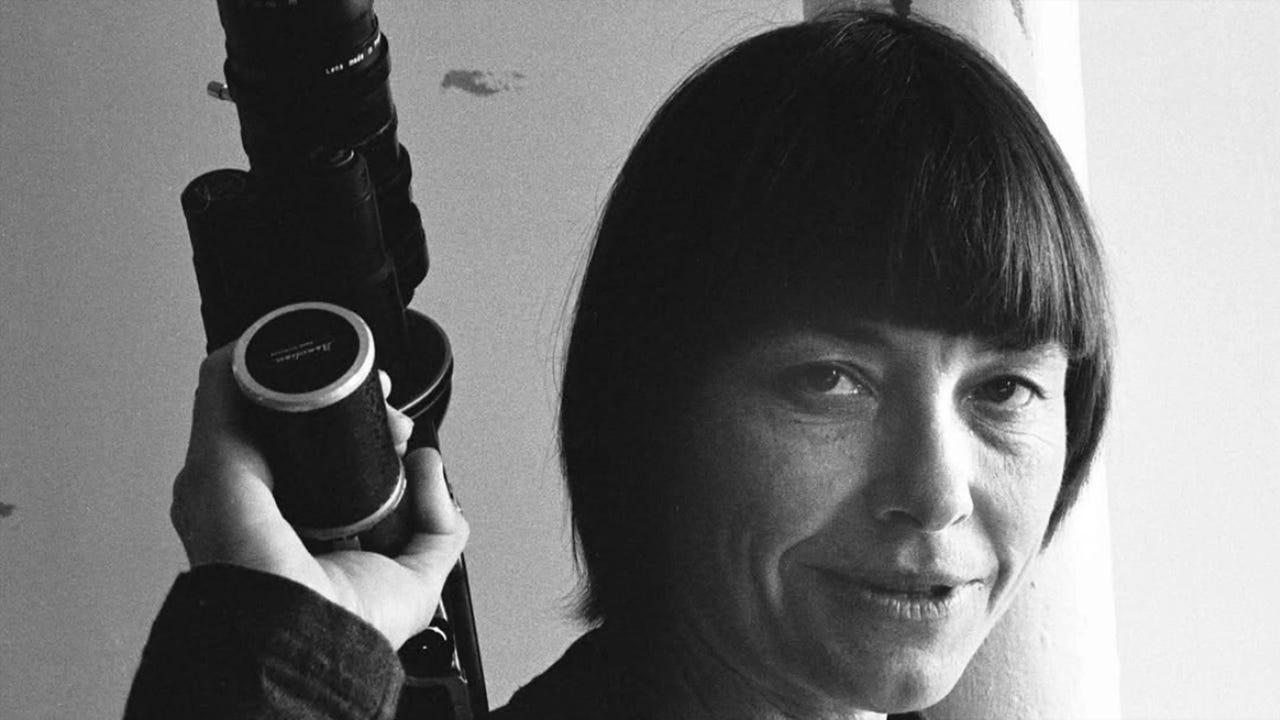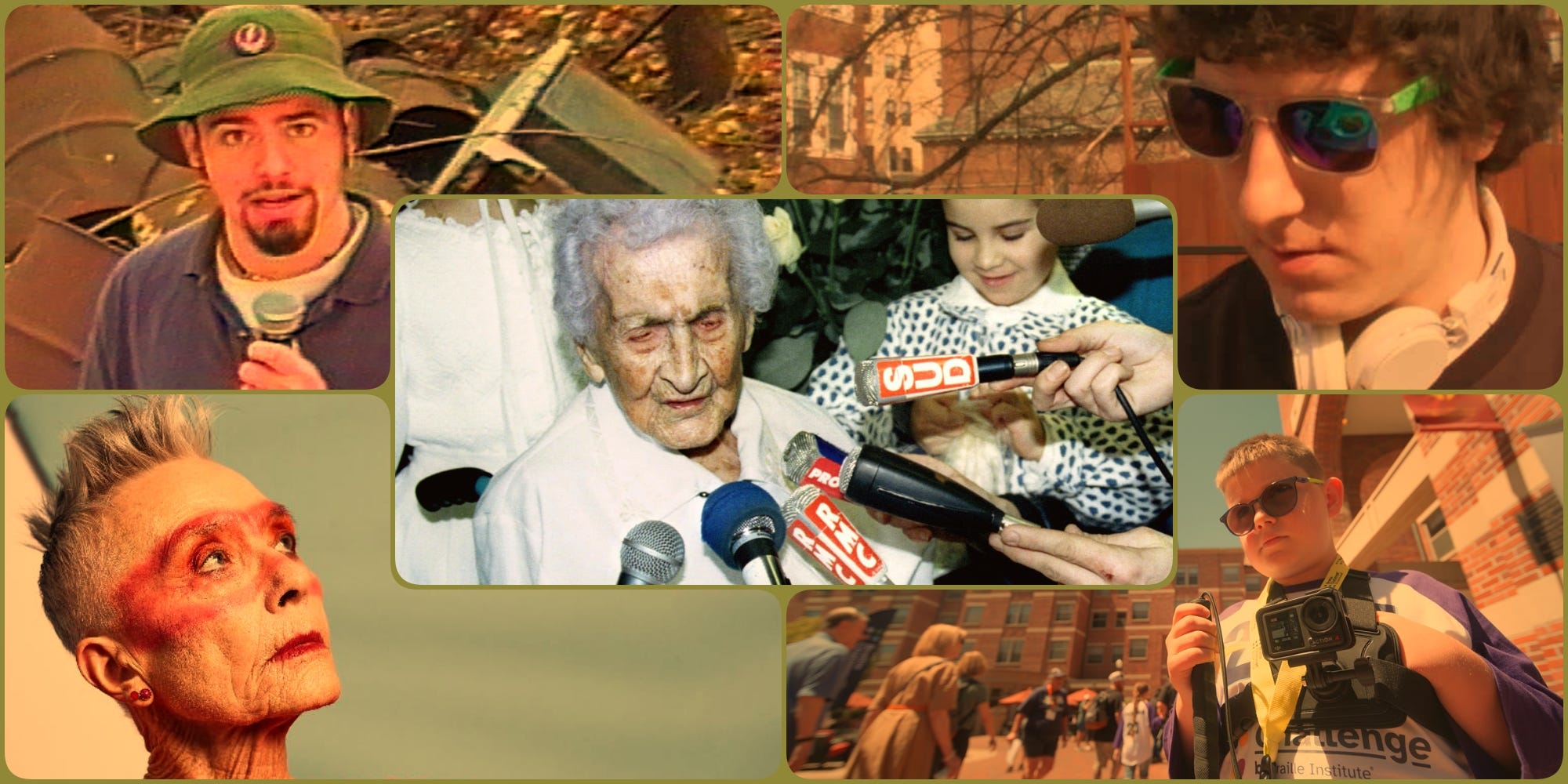
IDA Member Spotlight: Hilla Medalia and Yael Melamede
idastaff
Fri, 02/20/2026 – 08:23
H. Paul Moon is a filmmaker based in New York City and Washington, D.C. whose works concentrate on the performing arts. Major films include “Sitka: A Piano Documentary” about the craftsmanship of Steinway pianos, “Quartet for the End of Time” about Olivier Messiaen’s transcendent WWII composition, and an acclaimed feature film about the life and music of American composer Samuel Barber that premiered on PBS. Moon has created music videos for numerous composers including Moondog, Susan Botti and Angélica Negrón, and three opera films set in a community garden. His film “The Passion of Scrooge” was awarded “Critic's Choice” by Opera News as a “thoroughly enjoyable film version, insightfully conceived and directed” with “first-rate and remarkably illustrative storytelling.” Further highlights include works featured in exhibitions at the Nevada Museum of Art and the City Museum of New York, PBS television broadcasts, and best of show awards in over a dozen international film festivals.

IDA Member Spotlight: Hilla Medalia and Yael Melamede
idastaff
Fri, 02/20/2026 – 08:23

IDA Member Spotlight: Joshua Seftel
idastaff
Fri, 02/20/2026 – 08:12

IDA Member Spotlight: Hilla Medalia and Yael Melamede
idastaff
Fri, 02/20/2026 – 08:23

IDA Member Spotlight: Joshua Seftel
idastaff
Fri, 02/20/2026 – 08:12
This year’s Oscar nominees for Best Documentary Short Film are a mostly forgettable bunch. I wouldn’t say they’re a disappointing group so much as the short documentary contenders from last year were underwhelming as a whole. I do have one definite favorite, but the rest were difficult to rank. You’ve got two films focused on violently murdered children, two films about innocent victims of wars, four heavy issue films, and one documentary following three donkeys around an observatory.
All five films are screening in theaters together as a single program block distributed by Roadside Attractions. The company is a new partner for all three short film Oscar categories, following a longtime deal with ShortsTV. While three of the documentaries are currently available to stream at home, two are not accessible at the moment except through this release, so it’s not just that you’ll be supporting short documentaries in the cinema, but to be a completist, you need to buy a ticket anyway.
In alphabetical order, the five films nominated for the Academy Award for Best Documentary Short Film are All the Empty Rooms, Armed Only with a Camera: The Life and Death of Brent Renaud, Children No More: “Were and Are Gone”, The Devil is Busy, and perfectly a strangeness. I’ve reviewed and ranked them below and expressed some context for why one or another might have a good shot at winning the Oscar this year.
The least engaging film among the nominees, Children No More: “Were and Are Gone” is a document of a protest campaign in Israel recognizing Palestinian kids who were killed in the strikes on Gaza. The protests are admirable, and it’s important to show Israelis not just against the conflict but also empathetic toward its young victims on the “other side.” It’s also necessary for these events, entailing several Israeli activists holding photos of these children and when and how they were killed, to be documented for posterity. But if it had to be a film, it should have been interesting.
This documentary is produced by Sheila Nevins, whose pioneering leadership of HBO Documentary Films for decades has given the Academy much to nominate in issue-driven shorts. It’s wild that this is only her second credited Oscar nomination (she’s listed with director Hilla Medalia), having been recognized just two years ago for her directorial debut, the short documentary The ABCs of Book Burning (one of the lower-ranking of 2024, too). I don’t think it’s likely she’ll win this year either, so she deserves an Honorary Oscar one of these years instead.
Maybe if the Academy wants to continue support of Palestinians after last year’s feature win for No Other Land, it has some chance, but then they should have instead at least shortlisted the feature Torn: The Israel -Palestine Poster War on New York City Street, which handles the tension of the arguments briefly seen in Children No More more comprehensively and deeply.
Nonfics is a reader-supported publication. To receive new posts and support my work, consider becoming a free or paid subscriber.
Two more returning nominees in this category are director Joshua Seftel and producer Conall Jones, who were previously recognized in 2023 for Stranger at the Gate. This one follows broadcast journalist Steve Hartman as he works on a project spotlighting the empty bedrooms of school shooting victims. All the Empty Rooms documents his and photographer Lou Bopp’s visits with the families of three children killed in separate incidents, learning about the deceased through their personal belongings and relatively untouched spaces, which have become shrines in their memory.
As a film about all the empty rooms of these children, the documentary is effective, but that makes me feel like it’s hijacking the point of Hartman’s project. Hartman and Bopp’s work seems really great and meaningful, but Seftel and Jones’s is then simply a vessel through which they give attention to that work. It’s a behind-the-scenes showcase. There is a polish to it, in the visuals and Alex Somers’s prominent score, the latter making it all feel really powerful. As a profile of Hartman, there could have been more about his work before this project, though the film does a decent job of expressing his thoughts about covering this topic and what it’s done to him psychologically as a father himself.
For the longest time, I thought All the Empty Rooms was the frontrunner in this category. I even thought this last fall when I first watched it as a contender for the Critics Choice Documentary Awards. I really thought it was going to win there, too. Now I’m thinking the Academy voters will also see through its qualities and how it’s worth watching because of the subject of its subject, not for anything it’s doing on its own. It certainly pulls on their heartstrings more, but that may not be what they want.
Like documentaries on children in war and school shootings, we’ve sadly seen this subject before. Armed Only with a Camera: The Life and Death of Brent Renaud particularly reminded me of the 2013 feature Which Way Is the Front Line from Here? The Life and Time of Tim Hetherington and the related 2017 film Hondros. It even shares a lot in common with documentaries about combat journalists who are still alive, such as last year’s feature Love+War. But just because it’s a familiar story doesn’t mean it’s not worth telling again. In fact, it’s probably worth telling again moreso because it’s become common. Documentaries about journalists and journalism are all over the place right now and should be. As this film states, it’s now one of the most dangerous professions in the world. It’s also one of the most endangered and still most important.
There seems to be a simplicity to the craftsmanship of Armed Only with a Camera, but it holds together well and is structured with more cohesion than others of its kind. Basically, the documentary is a eulogy for Brent Arnaud, who died while covering the war in Ukraine. As is typical, the film looks back at other docs and stories Arnaud worked on that were also as vital and perilous. The most interesting of these connect to an attendee or speaker at his funeral service, each of whom gives more context. There’s also understandably a good amount of time devoted to his brother and sometime collaborator, Craig Renaud, who is the primary director of the short. The other credited director is Brent Renaud, giving him a posthumous Oscar nomination.
The idea that Brent Renaud would be honored multifold if the film won the Academy Award could easily push it through with voters. That and the fact that the Renauds were part of the documentary filmmaker community, and this work represents the significance of their job as well as that of artists, gives it even more reason and likelihood to win. Plus, it has just enough about Ukraine to make it timely, despite Brent Renaud’s killing taking place four years ago — though it still wouldn’t make up for the fact that the best documentary of 2025 was snubbed in the feature category.
Thanks for reading Nonfics! This post is public so feel free to share it.
I don’t know the last time this category had such an outlying oddity as perfectly a strangeness. The shortest of the bunch by half, at only 15 minutes, the film is more artistic. Poetic even. You could’ve guessed as much by the all-lowercase stylizing of the title. It doesn’t tackle an issue. It doesn’t even have any humans, let alone dialogue. You could argue that it’s not even a work of nonfiction storytelling since it’s kind of forced in its concept and its execution. The short follows three donkeys, Ruperto, Palomo, and Palaye, as they walk about the site of a supposedly abandoned astronomical observatory in Chile (namely La Silla, but some of it was also filmed at Paranal, which takes away from the reality of the piece if you know that). There’s a lot left to interpretation here, which is not normal for the Academy to nominate here.
It ranks so high for me partly because it’s so unique. I’ll admit that any or every idea it communicates is rather shallow, but the effort has some originality, and the film looks and sounds amazing. I’m especially impressed that it’s composer Ben Grossman’s first score. This film is the one most worth seeing in the theatrical package release of the Oscar-nominated documentary shorts, and the one that makes that package worth seeing altogether (don’t wait for its Criterion Channel premiere next month). If you like it, I recommend following it with Patricio Guzmán’s Nostalgia for the Light, which has similar settings and themes but is more intellectually and sensorially resonant.
Of the five nominees, perfectly a strangeness has the smallest chance of winning the Oscar because it’s so different. It’s so contrary to what the documentary purists will want to recognize. In this case, it really is just an honor to be nominated because that was a surprise in and of itself. For the film to win, all of the Academy members who watch all of the nominees will have to agree that, in the times we’re living in, a cinematic morsel that hints at humanity’s insignificance in our world and the universe as a whole is better to celebrate than four documentaries shedding light on important causes, including one that literally showcases the significance of one man in our world making a difference and two more that acknowledge the preciousness of life.
Geeta Gandbhir, whose film The Perfect Neighbor is the frontrunner for Best Documentary Feature Film, has the distinction of being nominated for two Oscars this year, one in each of the doc categories. I don’t think The Devil is Busy is as notable, but it’s still the best of the five nominated for Best Documentary Short Film. Also directed by Christalyn Hampton, the short focuses on the familiar issue of reproductive rights. But it’s not necessarily an argument for pro-choice so much as it’s a look at one healthcare clinic in Georgia impacted by the heaviness of the debate and by the overturning of Roe v. Wade. For most of its runtime, it’s primarily a character-driven film centered on the clinic’s head of security. When she’s not on screen, the documentary loses some of its concentration and appeal, but not terribly so.
When I highlighted The Devil is Busy for its release on HBO Max as my Pick of the Week, I celebrated its central character as “the kind of person we need more of in the world right now, filled with faith, acceptance (even if her general lack of judgment still allows for shade thrown at hypocrites), and courage.” I don’t consider this documentary an issue film unless we think of being good as an issue in these dark times (I guess we should). Another bit from my original review of the film: “I’m actually not certain it has an overall political point other than to promote compassion for everyone, maybe even the protestors in front of the building.” Unlike some other heavy-topic-focused documentaries in this bunch, The Devil is Busy is more interested in the human subjects at hand, not the subjects of their subjects’ work. The result is a more memorable film.
Whether the Academy voters aim for memorable characters over hotter topics will determine if The Devil is Busy could win the Oscar. Some voters may like the idea of honoring Gandbhir in both categories for a historical achievement (I think she’s already made history by being nominated in both). It’d cement 2025 as the year of Geeta Gandbhir, as I’d been calling it. Other voters may want to spread the wealth and look elsewhere in this category while expecting Gandbhir to win for Best Documentary Feature Film. I think it’s the most deserving, either way.
This year’s Oscar nominees for Best Documentary Short Film are a mostly forgettable bunch. I wouldn’t say they’re a disappointing group so much as the short documentary contenders from last year were underwhelming as a whole. I do have one definite favorite, but the rest were difficult to rank. You’ve got two films focused on violently murdered children, two films about innocent victims of wars, four heavy issue films, and one documentary following three donkeys around an observatory.
All five films are screening in theaters together as a single program block distributed by Roadside Attractions. The company is a new partner for all three short film Oscar categories, following a longtime deal with ShortsTV. While three of the documentaries are currently available to stream at home, two are not accessible at the moment except through this release, so it’s not just that you’ll be supporting short documentaries in the cinema, but to be a completist, you need to buy a ticket anyway.
In alphabetical order, the five films nominated for the Academy Award for Best Documentary Short Film are All the Empty Rooms, Armed Only with a Camera: The Life and Death of Brent Renaud, Children No More: “Were and Are Gone”, The Devil is Busy, and perfectly a strangeness. I’ve reviewed and ranked them below and expressed some context for why one or another might have a good shot at winning the Oscar this year.
The least engaging film among the nominees, Children No More: “Were and Are Gone” is a document of a protest campaign in Israel recognizing Palestinian kids who were killed in the strikes on Gaza. The protests are admirable, and it’s important to show Israelis not just against the conflict but also empathetic toward its young victims on the “other side.” It’s also necessary for these events, entailing several Israeli activists holding photos of these children and when and how they were killed, to be documented for posterity. But if it had to be a film, it should have been interesting.
This documentary is produced by Sheila Nevins, whose pioneering leadership of HBO Documentary Films for decades has given the Academy much to nominate in issue-driven shorts. It’s wild that this is only her second credited Oscar nomination (she’s listed with director Hilla Medalia), having been recognized just two years ago for her directorial debut, the short documentary The ABCs of Book Burning (one of the lower-ranking of 2024, too). I don’t think it’s likely she’ll win this year either, so she deserves an Honorary Oscar one of these years instead.
Maybe if the Academy wants to continue support of Palestinians after last year’s feature win for No Other Land, it has some chance, but then they should have instead at least shortlisted the feature Torn: The Israel -Palestine Poster War on New York City Street, which handles the tension of the arguments briefly seen in Children No More more comprehensively and deeply.
Nonfics is a reader-supported publication. To receive new posts and support my work, consider becoming a free or paid subscriber.
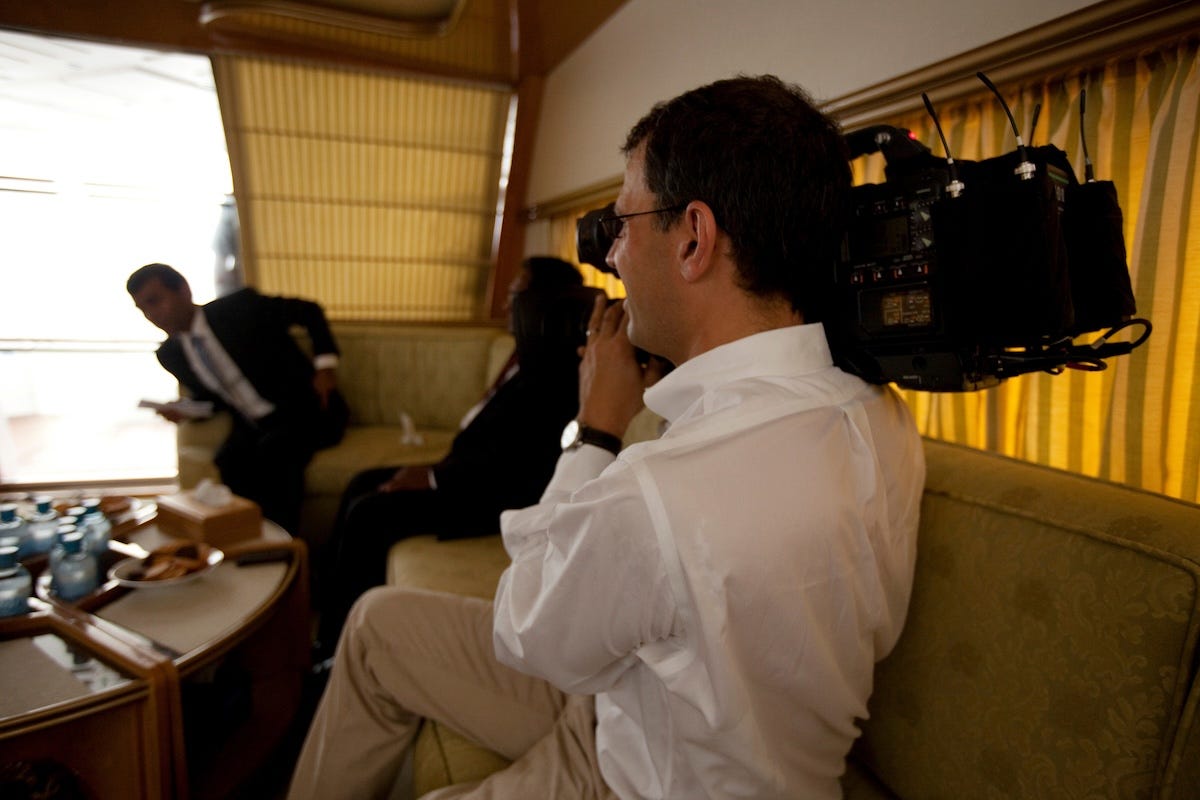
Two more returning nominees in this category are director Joshua Seftel and producer Conall Jones, who were previously recognized in 2023 for Stranger at the Gate. This one follows broadcast journalist Steve Hartman as he works on a project spotlighting the empty bedrooms of school shooting victims. All the Empty Rooms documents his and photographer Lou Bopp’s visits with the families of three children killed in separate incidents, learning about the deceased through their personal belongings and relatively untouched spaces, which have become shrines in their memory.
As a film about all the empty rooms of these children, the documentary is effective, but that makes me feel like it’s hijacking the point of Hartman’s project. Hartman and Bopp’s work seems really great and meaningful, but Seftel and Jones’s is then simply a vessel through which they give attention to that work. It’s a behind-the-scenes showcase. There is a polish to it, in the visuals and Alex Somers’s prominent score, the latter making it all feel really powerful. As a profile of Hartman, there could have been more about his work before this project, though the film does a decent job of expressing his thoughts about covering this topic and what it’s done to him psychologically as a father himself.
For the longest time, I thought All the Empty Rooms was the frontrunner in this category. I even thought this last fall when I first watched it as a contender for the Critics Choice Documentary Awards. I really thought it was going to win there, too. Now I’m thinking the Academy voters will also see through its qualities and how it’s worth watching because of the subject of its subject, not for anything it’s doing on its own. It certainly pulls on their heartstrings more, but that may not be what they want.
Like documentaries on children in war and school shootings, we’ve sadly seen this subject before. Armed Only with a Camera: The Life and Death of Brent Renaud particularly reminded me of the 2013 feature Which Way Is the Front Line from Here? The Life and Time of Tim Hetherington and the related 2017 film Hondros. It even shares a lot in common with documentaries about combat journalists who are still alive, such as last year’s feature Love+War. But just because it’s a familiar story doesn’t mean it’s not worth telling again. In fact, it’s probably worth telling again moreso because it’s become common. Documentaries about journalists and journalism are all over the place right now and should be. As this film states, it’s now one of the most dangerous professions in the world. It’s also one of the most endangered and still most important.
There seems to be a simplicity to the craftsmanship of Armed Only with a Camera, but it holds together well and is structured with more cohesion than others of its kind. Basically, the documentary is a eulogy for Brent Arnaud, who died while covering the war in Ukraine. As is typical, the film looks back at other docs and stories Arnaud worked on that were also as vital and perilous. The most interesting of these connect to an attendee or speaker at his funeral service, each of whom gives more context. There’s also understandably a good amount of time devoted to his brother and sometime collaborator, Craig Renaud, who is the primary director of the short. The other credited director is Brent Renaud, giving him a posthumous Oscar nomination.
The idea that Brent Renaud would be honored multifold if the film won the Academy Award could easily push it through with voters. That and the fact that the Renauds were part of the documentary filmmaker community, and this work represents the significance of their job as well as that of artists, gives it even more reason and likelihood to win. Plus, it has just enough about Ukraine to make it timely, despite Brent Renaud’s killing taking place four years ago — though it still wouldn’t make up for the fact that the best documentary of 2025 was snubbed in the feature category.
Thanks for reading Nonfics! This post is public so feel free to share it.
I don’t know the last time this category had such an outlying oddity as perfectly a strangeness. The shortest of the bunch by half, at only 15 minutes, the film is more artistic. Poetic even. You could’ve guessed as much by the all-lowercase stylizing of the title. It doesn’t tackle an issue. It doesn’t even have any humans, let alone dialogue. You could argue that it’s not even a work of nonfiction storytelling since it’s kind of forced in its concept and its execution. The short follows three donkeys, Ruperto, Palomo, and Palaye, as they walk about the site of a supposedly abandoned astronomical observatory in Chile (namely La Silla, but some of it was also filmed at Paranal, which takes away from the reality of the piece if you know that). There’s a lot left to interpretation here, which is not normal for the Academy to nominate here.
It ranks so high for me partly because it’s so unique. I’ll admit that any or every idea it communicates is rather shallow, but the effort has some originality, and the film looks and sounds amazing. I’m especially impressed that it’s composer Ben Grossman’s first score. This film is the one most worth seeing in the theatrical package release of the Oscar-nominated documentary shorts, and the one that makes that package worth seeing altogether (don’t wait for its Criterion Channel premiere next month). If you like it, I recommend following it with Patricio Guzmán’s Nostalgia for the Light, which has similar settings and themes but is more intellectually and sensorially resonant.
Of the five nominees, perfectly a strangeness has the smallest chance of winning the Oscar because it’s so different. It’s so contrary to what the documentary purists will want to recognize. In this case, it really is just an honor to be nominated because that was a surprise in and of itself. For the film to win, all of the Academy members who watch all of the nominees will have to agree that, in the times we’re living in, a cinematic morsel that hints at humanity’s insignificance in our world and the universe as a whole is better to celebrate than four documentaries shedding light on important causes, including one that literally showcases the significance of one man in our world making a difference and two more that acknowledge the preciousness of life.
Geeta Gandbhir, whose film The Perfect Neighbor is the frontrunner for Best Documentary Feature Film, has the distinction of being nominated for two Oscars this year, one in each of the doc categories. I don’t think The Devil is Busy is as notable, but it’s still the best of the five nominated for Best Documentary Short Film. Also directed by Christalyn Hampton, the short focuses on the familiar issue of reproductive rights. But it’s not necessarily an argument for pro-choice so much as it’s a look at one healthcare clinic in Georgia impacted by the heaviness of the debate and by the overturning of Roe v. Wade. For most of its runtime, it’s primarily a character-driven film centered on the clinic’s head of security. When she’s not on screen, the documentary loses some of its concentration and appeal, but not terribly so.
When I highlighted The Devil is Busy for its release on HBO Max as my Pick of the Week, I celebrated its central character as “the kind of person we need more of in the world right now, filled with faith, acceptance (even if her general lack of judgment still allows for shade thrown at hypocrites), and courage.” I don’t consider this documentary an issue film unless we think of being good as an issue in these dark times (I guess we should). Another bit from my original review of the film: “I’m actually not certain it has an overall political point other than to promote compassion for everyone, maybe even the protestors in front of the building.” Unlike some other heavy-topic-focused documentaries in this bunch, The Devil is Busy is more interested in the human subjects at hand, not the subjects of their subjects’ work. The result is a more memorable film.
Whether the Academy voters aim for memorable characters over hotter topics will determine if The Devil is Busy could win the Oscar. Some voters may like the idea of honoring Gandbhir in both categories for a historical achievement (I think she’s already made history by being nominated in both). It’d cement 2025 as the year of Geeta Gandbhir, as I’d been calling it. Other voters may want to spread the wealth and look elsewhere in this category while expecting Gandbhir to win for Best Documentary Feature Film. I think it’s the most deserving, either way.
This year’s Oscar nominees for Best Documentary Short Film are a mostly forgettable bunch. I wouldn’t say they’re a disappointing group so much as the short documentary contenders from last year were underwhelming as a whole. I do have one definite favorite, but the rest were difficult to rank. You’ve got two films focused on violently murdered children, two films about innocent victims of wars, four heavy issue films, and one documentary following three donkeys around an observatory.
All five films are screening in theaters together as a single program block distributed by Roadside Attractions. The company is a new partner for all three short film Oscar categories, following a longtime deal with ShortsTV. While three of the documentaries are currently available to stream at home, two are not accessible at the moment except through this release, so it’s not just that you’ll be supporting short documentaries in the cinema, but to be a completist, you need to buy a ticket anyway.
In alphabetical order, the five films nominated for the Academy Award for Best Documentary Short Film are All the Empty Rooms, Armed Only with a Camera: The Life and Death of Brent Renaud, Children No More: “Were and Are Gone”, The Devil is Busy, and perfectly a strangeness. I’ve reviewed and ranked them below and expressed some context for why one or another might have a good shot at winning the Oscar this year.
The least engaging film among the nominees, Children No More: “Were and Are Gone” is a document of a protest campaign in Israel recognizing Palestinian kids who were killed in the strikes on Gaza. The protests are admirable, and it’s important to show Israelis not just against the conflict but also empathetic toward its young victims on the “other side.” It’s also necessary for these events, entailing several Israeli activists holding photos of these children and when and how they were killed, to be documented for posterity. But if it had to be a film, it should have been interesting.
This documentary is produced by Sheila Nevins, whose pioneering leadership of HBO Documentary Films for decades has given the Academy much to nominate in issue-driven shorts. It’s wild that this is only her second credited Oscar nomination (she’s listed with director Hilla Medalia), having been recognized just two years ago for her directorial debut, the short documentary The ABCs of Book Burning (one of the lower-ranking of 2024, too). I don’t think it’s likely she’ll win this year either, so she deserves an Honorary Oscar one of these years instead.
Maybe if the Academy wants to continue support of Palestinians after last year’s feature win for No Other Land, it has some chance, but then they should have instead at least shortlisted the feature Torn: The Israel -Palestine Poster War on New York City Street, which handles the tension of the arguments briefly seen in Children No More more comprehensively and deeply.
Nonfics is a reader-supported publication. To receive new posts and support my work, consider becoming a free or paid subscriber.

Two more returning nominees in this category are director Joshua Seftel and producer Conall Jones, who were previously recognized in 2023 for Stranger at the Gate. This one follows broadcast journalist Steve Hartman as he works on a project spotlighting the empty bedrooms of school shooting victims. All the Empty Rooms documents his and photographer Lou Bopp’s visits with the families of three children killed in separate incidents, learning about the deceased through their personal belongings and relatively untouched spaces, which have become shrines in their memory.
As a film about all the empty rooms of these children, the documentary is effective, but that makes me feel like it’s hijacking the point of Hartman’s project. Hartman and Bopp’s work seems really great and meaningful, but Seftel and Jones’s is then simply a vessel through which they give attention to that work. It’s a behind-the-scenes showcase. There is a polish to it, in the visuals and Alex Somers’s prominent score, the latter making it all feel really powerful. As a profile of Hartman, there could have been more about his work before this project, though the film does a decent job of expressing his thoughts about covering this topic and what it’s done to him psychologically as a father himself.
For the longest time, I thought All the Empty Rooms was the frontrunner in this category. I even thought this last fall when I first watched it as a contender for the Critics Choice Documentary Awards. I really thought it was going to win there, too. Now I’m thinking the Academy voters will also see through its qualities and how it’s worth watching because of the subject of its subject, not for anything it’s doing on its own. It certainly pulls on their heartstrings more, but that may not be what they want.
Like documentaries on children in war and school shootings, we’ve sadly seen this subject before. Armed Only with a Camera: The Life and Death of Brent Renaud particularly reminded me of the 2013 feature Which Way Is the Front Line from Here? The Life and Time of Tim Hetherington and the related 2017 film Hondros. It even shares a lot in common with documentaries about combat journalists who are still alive, such as last year’s feature Love+War. But just because it’s a familiar story doesn’t mean it’s not worth telling again. In fact, it’s probably worth telling again moreso because it’s become common. Documentaries about journalists and journalism are all over the place right now and should be. As this film states, it’s now one of the most dangerous professions in the world. It’s also one of the most endangered and still most important.
There seems to be a simplicity to the craftsmanship of Armed Only with a Camera, but it holds together well and is structured with more cohesion than others of its kind. Basically, the documentary is a eulogy for Brent Arnaud, who died while covering the war in Ukraine. As is typical, the film looks back at other docs and stories Arnaud worked on that were also as vital and perilous. The most interesting of these connect to an attendee or speaker at his funeral service, each of whom gives more context. There’s also understandably a good amount of time devoted to his brother and sometime collaborator, Craig Renaud, who is the primary director of the short. The other credited director is Brent Renaud, giving him a posthumous Oscar nomination.
The idea that Brent Renaud would be honored multifold if the film won the Academy Award could easily push it through with voters. That and the fact that the Renauds were part of the documentary filmmaker community, and this work represents the significance of their job as well as that of artists, gives it even more reason and likelihood to win. Plus, it has just enough about Ukraine to make it timely, despite Brent Renaud’s killing taking place four years ago — though it still wouldn’t make up for the fact that the best documentary of 2025 was snubbed in the feature category.
Thanks for reading Nonfics! This post is public so feel free to share it.
I don’t know the last time this category had such an outlying oddity as perfectly a strangeness. The shortest of the bunch by half, at only 15 minutes, the film is more artistic. Poetic even. You could’ve guessed as much by the all-lowercase stylizing of the title. It doesn’t tackle an issue. It doesn’t even have any humans, let alone dialogue. You could argue that it’s not even a work of nonfiction storytelling since it’s kind of forced in its concept and its execution. The short follows three donkeys, Ruperto, Palomo, and Palaye, as they walk about the site of a supposedly abandoned astronomical observatory in Chile (namely La Silla, but some of it was also filmed at Paranal, which takes away from the reality of the piece if you know that). There’s a lot left to interpretation here, which is not normal for the Academy to nominate here.
It ranks so high for me partly because it’s so unique. I’ll admit that any or every idea it communicates is rather shallow, but the effort has some originality, and the film looks and sounds amazing. I’m especially impressed that it’s composer Ben Grossman’s first score. This film is the one most worth seeing in the theatrical package release of the Oscar-nominated documentary shorts, and the one that makes that package worth seeing altogether (don’t wait for its Criterion Channel premiere next month). If you like it, I recommend following it with Patricio Guzmán’s Nostalgia for the Light, which has similar settings and themes but is more intellectually and sensorially resonant.
Of the five nominees, perfectly a strangeness has the smallest chance of winning the Oscar because it’s so different. It’s so contrary to what the documentary purists will want to recognize. In this case, it really is just an honor to be nominated because that was a surprise in and of itself. For the film to win, all of the Academy members who watch all of the nominees will have to agree that, in the times we’re living in, a cinematic morsel that hints at humanity’s insignificance in our world and the universe as a whole is better to celebrate than four documentaries shedding light on important causes, including one that literally showcases the significance of one man in our world making a difference and two more that acknowledge the preciousness of life.
Geeta Gandbhir, whose film The Perfect Neighbor is the frontrunner for Best Documentary Feature Film, has the distinction of being nominated for two Oscars this year, one in each of the doc categories. I don’t think The Devil is Busy is as notable, but it’s still the best of the five nominated for Best Documentary Short Film. Also directed by Christalyn Hampton, the short focuses on the familiar issue of reproductive rights. But it’s not necessarily an argument for pro-choice so much as it’s a look at one healthcare clinic in Georgia impacted by the heaviness of the debate and by the overturning of Roe v. Wade. For most of its runtime, it’s primarily a character-driven film centered on the clinic’s head of security. When she’s not on screen, the documentary loses some of its concentration and appeal, but not terribly so.
When I highlighted The Devil is Busy for its release on HBO Max as my Pick of the Week, I celebrated its central character as “the kind of person we need more of in the world right now, filled with faith, acceptance (even if her general lack of judgment still allows for shade thrown at hypocrites), and courage.” I don’t consider this documentary an issue film unless we think of being good as an issue in these dark times (I guess we should). Another bit from my original review of the film: “I’m actually not certain it has an overall political point other than to promote compassion for everyone, maybe even the protestors in front of the building.” Unlike some other heavy-topic-focused documentaries in this bunch, The Devil is Busy is more interested in the human subjects at hand, not the subjects of their subjects’ work. The result is a more memorable film.
Whether the Academy voters aim for memorable characters over hotter topics will determine if The Devil is Busy could win the Oscar. Some voters may like the idea of honoring Gandbhir in both categories for a historical achievement (I think she’s already made history by being nominated in both). It’d cement 2025 as the year of Geeta Gandbhir, as I’d been calling it. Other voters may want to spread the wealth and look elsewhere in this category while expecting Gandbhir to win for Best Documentary Feature Film. I think it’s the most deserving, either way.
The week leading up to this newsletter has been a bummer, partly because I have the flu (yes, I got the flu shot this season, but this is a beast of a variant), and so my viewing productivity has been way down. Worse than my illness, though, is our loss of Frederick Wiseman. I’ve worried about his death for years, but I also hoped he might live forever. There are very few documentary filmmakers throughout the history of cinema with such a defining style and output.
Wiseman was among the most influential yet also one of the most compared to documentarians ever, often inaccurately, especially by other film critics. And he might be the last of his generation who came up during a certain era of verite cinema in the 1960s (Edgar Morin doesn’t quite count since he wasn’t really a filmmaker outside of co-directing Chronicle of a Summer). We now say goodbye to a man and a movement.
I want to share a few block quotes from my interview with Frederick Wiseman from 2011 (sadly, maybe the only time I ever got to talk to him) that I think describe his films better than I or anyone else ever could:
“The uses of the body is a subject that cuts across a lot of my movies. Not just because obviously movies are about bodies, but specifically Essene, the monastery movie, is in part about the denial of the body; Titicut Follies is about the confinement of the body; Basic Training, Manoeuvre, and Missile are about the use of the body in the service of the state; the Domestic Violence movies are about the violent abuse of the body; Hospital and Near Death are about the destruction of the body by disease; Model is about the sensation of the body by selling products; Store is about the adornment of the body to sell products.”
“When a film works, it has to work, let’s say, from a structural point, on two levels. It has to work on a factual level, so there’s enough information on an actual, factual, and literal level, so there’s enough information so the viewer who hasn’t spent ten weeks in the place can understand what’s going on. But at the same time, it has to work on an abstract or metaphorical level, because otherwise it’s not particularly interesting; it’s just unrelated sequences. You have to find interrelating sequences. One of the ways you can thematically connect the sequences is by these transition shots. They serve a double purpose.”
“Some people think that unless I’m making a film about poor people with, in their opinion, a point of view in the film that poor people are being exploited, that it’s not a Wiseman film. A Wiseman film, for them, not for me, certainly, represents that. And I think that shows a complete misunderstanding of what I’m doing. I think what I’m doing is trying to make a movie with a dramatic structure of an interesting subject. And which reflects the complexity and ambiguity of the material and doesn’t proceed from any simple-minded point of view.”
“What I think about it is what the film is. I don’t know much about the subject before I start. And I hope I’ve learned something, and what I’ve learned is what you see in the film. The principal function of the editing is to impose a form on the experience. I mean, the rushes collectively have no form except insofar as what I impose on them by editing. That form is the dramatic structure of the film, and my point of view is expressed indirectly through structure rather than directly through narration.”
Now, without further ado, below are this week’s documentary highlights, followed by daily listings for all known releases and broadcasts, along with a brief look at what’s coming soon for doc fans. Please consider becoming a paid subscriber to receive more in-depth highlights and reviews in the future, plus full access to special posts like our best of and most anticipated lists, and to give me more time to watch more (if not everything) available. If you have a doc in need of coverage or a mention, you can reach me at christopherbartoncampbell (at) gmail.
Some very rare things happened for me this month. One was being invited to a theatrical press screening of a documentary (we don’t get a lot of those that I can get to where I live). The other was seeing two music documentaries in a single week that I will likely rank among the best films of 2026. If I see a better music documentary this year than either of them, I’ll be shocked. This, coming from someone who is very picky about praising music documentaries. I foresee both of them doing very well come awards time. The first of these is Baz Luhrmann’s DocOption™ related to his 2022 Elvis biopic, EPiC: Elvis Presley in Concert. Here’s the start of my review:
“Three years after directing Austin Butler in an Oscar-nominated portrayal of Elvis Presley, Baz Luhrmann makes his documentary debut with the real deal, and it’s an even more spectacular biographical effort. EPiC: Elvis Presley in Concert is a dazzling theatrical experience not matched since Brett Morgen’s kaleidoscopic David Bowie film, Moonage Daydream. And there’s as much substance to the film as style.
“EPiC: Elvis Presley in Concert is an archival documentary that uses old audio interviews with Presley for loose narration atop clips spanning the music icon’s career. However, most of the footage is concentrated on the last decade of his life, as he returned to performing live shows. The film begins with disdainful remarks from Presley about his stint in Hollywood, setting up the concerts as a happy comeback.
“Immediately, we see a joyful King of Rock and Roll in the rehearsal studio. He’s goofy, having fun with his backing band, joking around. Later, he’s on stage, making more jokes, pretending to attack his singers, kissing his fans, exhibiting his playful side, and all that charm that made him a star. He clearly loves being on stage so much, and that not only becomes the point of the film, but it’s also an infectious experience.”
Continue reading my review of EPiC: Elvis Presley in Concert.
The other music documentary I saw is Morgan Neville’s Man on the Run, which (spoiler alert) will be my Pick of the Week in the next newsletter, when it begins its streaming release, even though it’s also on the calendar in this edition (and the last one) for a theatrical showing. Luhrmann’s Elvis documentary is far more theatrically necessary, and I highly recommend seeing it during its IMAX run if you can.
EPiC: Elvis Presley in Concert opens exclusively on IMAX screens on Friday, February 20, before its full theatrical release begins on Friday, February 27.
Through his nonprofit Artfully United, Mike Norice has been painting murals in disadvantaged neighborhoods. They consist of a single word, like “hope,” or “believe,” or “forgiveness,” and feature an appearance from his cartoon mascot. They brighten their locations in more ways than one, and this documentary about him and his works extends the vibes to you. It’s not an especially high-quality film, but in my review of Artfully United last year, I wrote that it “proves that words have power, and the right ones, along with a little love and compassion, can bring harmony to any community.”
Artfully United will be released on VOD on Friday, February 20.
As long as the four true members of The Beatles keep getting multiple documentaries yearly, Billy Preston, who is one of a handful of people labeled “the fifth Beatle,” is deserving, too. That’s why I would’ve tried harder to see Billy Preston: That’s the Way God Planned It were I not so sick. The legendary keyboardist and songwriter is one of those music icons that everyone has heard but probably doesn’t know much about. Nearly two years since its SXSW premiere, we can finally remedy that.
Billy Preston: That’s the Way God Planned It will be released in theaters, specifically the Film Forum in New York City, on Friday, February 20.
The second re-release in AMC’s IMAX Documentary Showcase this year is Deep Sky, a short celebration of the people who worked on the James Webb Space Telescope and the magnificent images it has captured. Through narration by Michelle Williams, the film also tells of the origins of the universe. Here’s an excerpt from my review of Deep Sky: “It’s a documentary about creation and discovery, and it leaves us wondering about the significance and insignificance of human progress…I’ll always enjoy documentaries featuring interviews with scientists because they are so excited about their work and what it achieves.”
Deep Sky returns to theaters, exclusively on IMAX screens, on Friday, February 20.
I wondered why Barbara Kopple’s Harlan County U.S.A. wasn’t included in last week’s TCM spotlight on Oscar-nominated and Oscar-winning documentaries, as it has been in the past. Well, it turns out they were saving it for a program called “Oscar Goes on Strike,” where it’s being shown alongside such dramatic classics as On the Waterfront and Black Fury. Like the latter of those, Harlan County U.S.A. is about coal miners. This is my second time highlighting the film in two months, so again, here’s some of what I wrote when I highlighted it for a broadcast airing two years ago:
“It is one of my picks for the best documentaries of all time (and it has one of the best opening scenes in documentaries)…the first of Barbara Kopple’s two Oscar-winning documentaries following workers’ strikes, Harlan County U.S.A. is raw and rustic with a refined point of view. It’s easy to feel nostalgia while watching, not for the time and place it’s set in but for the type of filmmaking (and film stock used) on display. If more documentaries were this exceptional, there would be more classic documentaries on TCM.”
Harlan County U.S.A. will air on TCM on Thursday, February 26.
I’m frankly not seeing enough new documentaries being released throughout February for Black History Month, but PBS has the occasion partly covered with The Inquisitor. The feature spotlights Barbara Jordan, the first African-American congresswoman from the South (representing a district in Texas). That wasn’t even her first historical electoral achievement, but it’s the most noteworthy. At the same time, she became the first (known) gay woman elected to Congress, though she wasn’t publicly out during her lifetime. I haven’t yet seen the documentary, but I anticipate it being at least a nice companion to Shola Lynch’s Chisholm ‘72: Unbought & Unbossed, about the first African-American woman elected to the House of Representatives, Shirley Chisholm, who preceded Jordan in Washington by two years.
The Inquisitor makes its broadcast premiere on PBS via Independent Lens on Monday, February 23.
As is an annual tradition, the 15 Oscar-nominated films in the three shorts categories are being released in theaters ahead of the Academy Awards. This is the first year that Roadside Attractions is handling the distribution of these programs, and they’re doing so with a lot of fanfare, including having them presented by filmmaker Taika Waititi. Nonfics is only officially concerned with the contenders for Best Documentary Short Film, which include (in alphabetical order) All the Empty Rooms, Armed Only with a Camera: The Life and Death of Brent Renaud, Children No More: “Were and Are Gone”, The Devil is Busy, and perfectly a strangeness. You can find my ranking of the nominated documentaries, my fresh thoughts on each, and my insight into which might win the Academy Award in a post sent out earlier.
The 2026 Oscar-nominated documentary short films will be released in theaters together on Friday, February 20.
Among the several documentary filmmakers whose work is compared to that of Frederick Wiseman, Raymond Depardon may seem most fitting based on subject matter alone. The French director has made documentaries focused on institutions involving mental health and law and order, similar to a handful of Wiseman’s films. But they don’t resemble Wiseman’s documentaries at all. They tend to interact with their subjects more (or vice versa) rather than merely observing them.
Also, Depardon didn’t usually offer as broad a look at the institutions he covered, as evidenced especially by two of my favorites, Caught in the Acts and The 10th Judicial Court: Judicial Hearings. These films, which make for a great pairing, feel more like comprehensions of specific roles of public prosecutors and a trial judge, respectively, and the accused persons who come before them. Depardon additionally explored rural life in France in portraiture films, including his Peasant Profiles trilogy and Modern Life, which don’t resemble Wiseman’s documentaries in any way.
The former photojournalist, who turns 84 this summer, is the subject of a retrospective via the Film at Lincoln Center entitled “Raymond Depardon: Humanity in Focus.” The majority of the 27 films programmed for the event are likely to be new to even diehard fans of nonfiction cinema, as only a handful are available to watch anywhere at home. For those who can’t make it to New York City for the theatrical showings, though, you can give Modern Life, 12 Days, Les Habitants, and his self-portrait, Journal de France, on the streaming service OVID. Those and the rest (including his rare fiction works) will otherwise be shown in daily screenings held at the Walter Reade Theater from Friday, February 20, through Sunday, March 1.
Black Public Media has named the married couple Stanley Nelson and Marcia Smith as recipients of the BPM Trailblazer Award, which will be presented at the PitchBLACK Awards in April. The duo, who just so happen to be executive producers of this week’s highlighted documentary The Inquisitor, are best known for collaborating on such essential historical films as Freedom Riders, Jonestown: The Life and Death of Peoples Temple, The Murder of Emmett Till, Wounded Knee, and the Oscar-nominated feature Attica, all of them directed or co-directed by Nelson.
This year’s nonfiction winners at the Independent Spirit Awards, held last Sunday, included Oscar frontrunner The Perfect Neighbor (now streaming on Netflix) and Pee-wee as Himself (HBO Max). The former was named Best Documentary while the latter won the award for Best New Non-scripted or Documentary Series. Also, Rajee Samarasinghe, the director of Your Touch Makes Others Invisible (currently unavailable), won the Truer Than Fiction Award.
The international film critics organization Fipresci announced the nominees for their inaugural Documentary Grand Prix award, and they, too, have recognized The Perfect Neighbor. That feature’s competition here includes fellow Oscar nominee Mr. Nobody Against Putin (now on VOD), shoulda been Oscar-nominated 2000 Meters to Andriivka (PBS), Critics Choice nominee Orwell 2+2=5 (VOD), and Fiume o Morte!, which hasn’t been officially released in the U.S. The winner will be revealed in May.
This year’s George Polk Awards in Journalism winners included director Mstyslav Chernov and photographer Alex Babenko for their work on the film 2000 Meters to Andriivka, which topped our list of the best documentaries of 2025. This is particularly special since these awards haven’t seemed to have had a specific documentary film award for about a decade. Also, it’s a reminder that it should’ve received an Oscar nomination for Best Documentary Feature Film.
All the Empty Rooms (2025) – An Oscar-nominated short documentary about journalist Steve Hartman, photographer Lou Bopp, and their project showcasing empty bedrooms of children killed in school shootings. Find a link to our ranking of this year’s Oscar-nominated short documentaries in the highlights section above. *NONFICS PICK* (In Theaters)
Armed Only with a Camera: The Life and Death of Brent Renaud (2025) – An Oscar-nominated short documentary about the titular journalist, who was killed while covering the war in Ukraine. Find a link to our ranking of this year’s Oscar-nominated short documentaries in the highlights section above. *NONFICS PICK* (In Theaters)
Artfully United (2025) – A documentary feature about a mural artist in Los Angeles whose work focuses on undeserved neighborhoods. Read our review of Artfully United. (VOD)
Billy Preston: That’s the Way God Planned It (2024) – A biographical documentary about the titular keyboardist. (In Theaters)
The BMF Documentary: Blowing Money Fast Season 2, Episode 6 – The latest installment of a docuseries about Black Mafia Family. (Starz)
Children No More: “Were and Are Gone” (2025) – An Oscar-nominated short documentary about activists in Israel sharing photos of children killed in strikes against Gaza. Find a link to our ranking of this year’s Oscar-nominated short documentaries in the highlights section above. *NONFICS PICK* (In Theaters)
Deep Sky (2023) – A short documentary about the Webb Telescope directed by two-time Oscar-nominated filmmaker Nathaniel Kahn (My Architect) and narrated by Michelle Williams. Read our review of Deep Sky. *NONFICS PICK* (IMAX Theatres)
The Devil is Busy (2024) – An Oscar-nominated short documentary by Geeta Gandbhir and Christalyn Hampton about a woman working security at an Atlanta abortion clinic. Find a link to our ranking of this year’s Oscar-nominated short documentaries in the highlights section above. *NONFICS PICK* (In Theaters)
Emergent City (2024) – A documentary about the debate over the development plans for an industrial area of Brooklyn. Read our review of Emergent City. (OVID)
EPiC: Elvis Presley in Concert (2025) – A documentary feature directed by Baz Luhrmann starring Elvis as he returns to the stage in his later years. Read our review of EPiC: Elvis Presley in Theaters. *NONFICS PICK* (In IMAX Theaters)
Meduza (2025) – A documentary about a Ukrainian actor turned soldier. (VOD)
Monsterquest Season 5, Episode 7: “Monster Hotspots” – The latest episode of a docuseries about strange creatures spotted around the world. (History)
Neighbors Episode 2: “The Farm” – The second installment of a six-part docuseries executive-produced by Josh Safdie and Ronald Bronstein about outrageous conflicts between neighbors. (HBO Max)
perfectly a strangeness (2024) – An Oscar-nominated short documentary following three donkeys around an abandoned astronomical observatory in Chile. Find a link to our ranking of this year’s Oscar-nominated short documentaries in the highlights section above. *NONFICS PICK* (In Theaters)
Prophet Without Honor (1939) – An Oscar-nominated short about Matthew Fontaine Maury, who developed the first maps charting the oceans’ winds and currents. (TCM)
The White House Episodes 5 & 6: “The Gilded Cage” & “Dolley’s Squeezes” – The latest installments of a docudrama series about scandals in the U.S. presidential residency. These episodes involve the Burr/Hamilton rivalry and President James Madison. (Fox Nation)
Buried in the Backyard Season 6, Episode 10: “Nobody Talks” – The latest installment of a true-crime docuseries about the odd locations where murder victims were found. This episode involves a gaming party gone wrong. (Oxygen True Crime)
The Curious Case of… Season 2, Episode 7: “The Woman Dying for Attention” – The latest installment of a true-crime docuseries involving mind-bending and jaw-dropping cases. (Investigation Discovery)
Grand Prix: Challenge of the Champions (1966) – A short documentary about the making of the film Grand Prix during race day at Monaco. (TCM)
Iyanla: The Inside Fix Season 1, Episode 6: “Belly to the Ground” – The latest installment of a nonfiction series that revisits Iyanla Vanzant’s show Fix My Life. (OWN)
Kingdom Season 1, Episode 5: “Olimba’s Last Chance” – The fifth installment of a nature series narrated by Sir David Attenborough following rival families of leopards, hyenas, wild dogs, and lions. (AMC+ and BBC America)
Maxxed Out Season 1, Episode 7: “Massaging the Numbers” – The latest episode of a docuseries focused on people currently having financial troubles. (OWN)
History’s Greatest Picks with Mike Wolfe Season 1, Episode 1: “Wheelin’ and Dealin’” – The first installment of a docuseries about legendary treasures, relics, and artifacts from history. (History)
Man on the Run (2025) – A documentary directed by Morgan Neville (Piece by Piece) about Paul McCartney post-Beatles as he formed the band Wings. *NONFICS PICK* (In Theaters — 2/19 & 2/22 Only)
The CEO Club (2026) – An eight-part docuseries about women CEOs. (Prime Video)
Fatal Attraction: I’d Kill to Be You Season 1, Episode 5: “In Her Shoes” – The latest installment of a true-crime series about cases involving jealousy. (TV One)
History’s Deadliest with Ving Rhames Season 1, Episode 4: “Tyrants” – The latest installment of a docuseries about history’s most devastating killers, weapons, battles, and disasters. (History)
Homecoming: The Tokyo Series (2026) – A documentary feature about the 2025 MLB season opener held in Japan between the Los Angeles Dodgers and the Chicago Cubs. (Theatrical Screenings via Fathom Events — 2/23 & 2/24 Only)
The Inquisitor (2025) – A documentary feature about Texas congresswoman Barbara Jordan. Presented as an installment of Independent Lens. (PBS)
Marines in the Making (1942) – An Oscar-nominated short documentary showcasing U.S. Marine Corps combat training. (TCM)
Threshold (2026) – A documentary feature about Olympic gold medalist cross-country skier Jessie Diggins. (Peacock)
7 Walks with Mark Brown (2024) – A documentary following a paleobotanist as he searches for native plants in Normandy for an ancient garden. (Blu-ray)
Christina Lindberg: The Original Eyepatch Wearing Butt Kicking Movie Babe (2015) – A biographical documentary about the titular actress who starred in 1970s cult classics and was a big inspiration for Quentin Tarantino. (Blu-ray)
The Encampments (2025) – A feature documentary about the Gaza Solidarity Encampment student protests on the Columbia University campus. Read our review of The Encampments. (Blu-ray)
Finding Your Roots with Henry Louis Gates Jr. Season 12, Episode 8: “Artistic Roots” – The latest installment of a docuseries presenting celebrities with their ancestral history. Filmmaker Spike Lee and actress Kristin Chenoweth are the participants in this episode. (PBS)
Homecoming: The Tokyo Series (2026) – A documentary feature about the 2025 MLB season opener held in Japan between the Los Angeles Dodgers and the Chicago Cubs. (Theatrical Screenings via Fathom Events — 2/23 & 2/24 Only)
How to Save Democracy (2026) – A documentary about the roots of democracy and why it’s struggling today. (DVD)
Killer Confessions: Case Files of a Texas Ranger Season 1, Episode 7: “The Weakest Link” – The latest installment of a true-crime docuseries involving confessions, starring a retired Texas Ranger. (Investigation Discovery)
Killer Profiles Season 1 – A true-crime docuseries following a forensic psychologist. (Blu-ray)
The Miracle of Tonya Pinkins (2026) – A biographical documentary about the titular Broadway star. (DVD)
Mistress Dispeller (2024) – An Oscar-shortlisted documentary feature about a woman who hired someone to stop her husband from cheating. Read our review of Mistress Dispeller. (The Criterion Channel)
Pablo (2012) – An animated documentary feature about title designer Pablo Ferro. (DVD and Blu-ray)
Paradise (2021) – A documentary about the devastating Paradise, California, wildfires in 2018. (DVD and Blu-ray)
Richard Pryor… Here and Now (1983) – A stand-up comedy concert film and documentary starring Richard Pryor. (4K Blu-ray)
The Secret Lives of Bill Bartell (2025) – A documentary feature about the titular musician, manager, and label owner. (Blu-ray)
She Was Here (2026) – A documentary about Poltergeist child actress Heather O’Rourke. (DVD and VOD)
Smoke and Mirrors: The Story of Tom Savini (2015) – A biographical documentary about the titular visual effects legend. (Blu-ray)
The Walking Dead Girls (2011) – A documentary about the fan obsession with sexy female zombies. (DVD and Blu-ray)
Alaska State Troopers Season 9, Episode 8: “One Bad Decision” – The latest installment of a docuseries about state troopers in Alaska. (A&E)
Expedition X Season 11, Episode 8 – The latest installment of a paranormal investigation series. (Discovery)
Lost Women of Alaska (2026) – A three-part true-crime series in Octavia Spencer’s Lost Women franchise that looks at murder cases involving women, this one being specifically about the brutal killing of two Alaska Natives. (Investigation Discovery)
Nature: Parenthood Episode 4: “Jungles” – The fourth installment of a docuseries narrated by Sir David Attenborough that showcases animal parents around the world. (PBS)
Pink Floyd at Pompeii – MCMLXXII (1972/2025) – A restored version of the classic 1972 concert film. Read our review of Pink Floyd at Pompeii. *NONFICS PICK* (4K Blu-ray)
Twenty One Pilots: More Than We Ever Imagined (2026) – A concert film starring Twenty One Pilots as they perform in Mexico City. (In IMAX Theaters)
Unstuck: An OCD Kids Movie (2017) – A short documentary about children with OCD. (OVID)
The American Runestone Season 2 – The return of a docuseries starring actor Peter Stormare about a runestone left by Viking explorers in Minnesota in the 14th century. (Viaplay)
Annie Was a Wonder (1949) – An Oscar-nominated short documentary about a housekeeper. (TCM)
Brabus: One Second Wow! (2026) – A six-part docuseries following the CEO of the titular car brand as they prepare for an annual supercar fashion show. (Prime Video)
Concrete, Steel and Paint (2009) – A medium-length documentary about a mural project uniting prison inmates and victims of crime as collaborators. (OVID)
David: King of Israel (2026) – A docudrama series hosted by Zachary Levi about the titular biblical figure. (Fox Nation)
Harlan County U.S.A. (1976) – A classic, Oscar-winning documentary by Barbara Kopple about a miner’s strike. *NONFICS PICK* (TCM)
Mysteries Unearthed with Danny Trejo Season 2, Episode 11: “Puzzling Finds” – The latest installment of a docuseries exploring hidden worlds. (History)
The Proof is Out There: Alien Edition Season 3, Episode 1: “Alien Abductions” – The return of a UFO-focused spinoff of the docuseries investigating mysteries of the unknown. (History)
True Crime Story: It Couldn’t Happen Here Season 3, Episode 2: “State College, Pennsylvania” – The latest installment of a true-crime series focused on murders in small towns. (Sundance TV)
2/27 – Man on the Run – A documentary directed by Morgan Neville (Piece by Piece) about Paul McCartney post-Beatles as he formed the band Wings. *NONFICS PICK* (Prime Video)
3/10 – Fukushima: A Nuclear Nightmare – A documentary feature about the threat posed by the Fukushima Daiichi nuclear power plant following an earthquake off the coast of Japan in 2011. Watch the new trailer for the film below. (HBO and HBO Max)
3/16 – Iron Family – A documentary about a playwright with Down syndrome. (VOD)
3/22 – Standoff: The FBI, Power and Paranoia – A four-part docuseries about the relationship between FBI directors and U.S. presidents. Watch the new trailer for the series below. (CNN)
3/24 – White with Fear – A feature documentary about the racist fear that white Americans are losing their power. (PBS)
3/27 – The AI Doc: Or How I Became an Apocaloptimist – A documentary feature directed by Oscar-winning filmmaker Daniel Roher (Navalny) and Charlie Tyrell (My Dead Dad’s Porno Tapes) about Roher’s contemplation of the future that his soon-to-be-born child will be growing up in. Watch the new trailer for the film below. (In Theaters)
4/14 – Hearts of Darkness: The Making of “The Final Friday” – A documentary about the making of Jason Goes to Hell: The Final Friday. (Blu-ray)
4/17 – Lorne – A documentary directed by Morgan Neville (Won’t You Be My Neighbor?) about Saturday Night Live creator Lorne Michaels. (In Theaters)
Nonfics is a reader-supported publication. To receive new posts and support my work, consider becoming a free or paid subscriber.
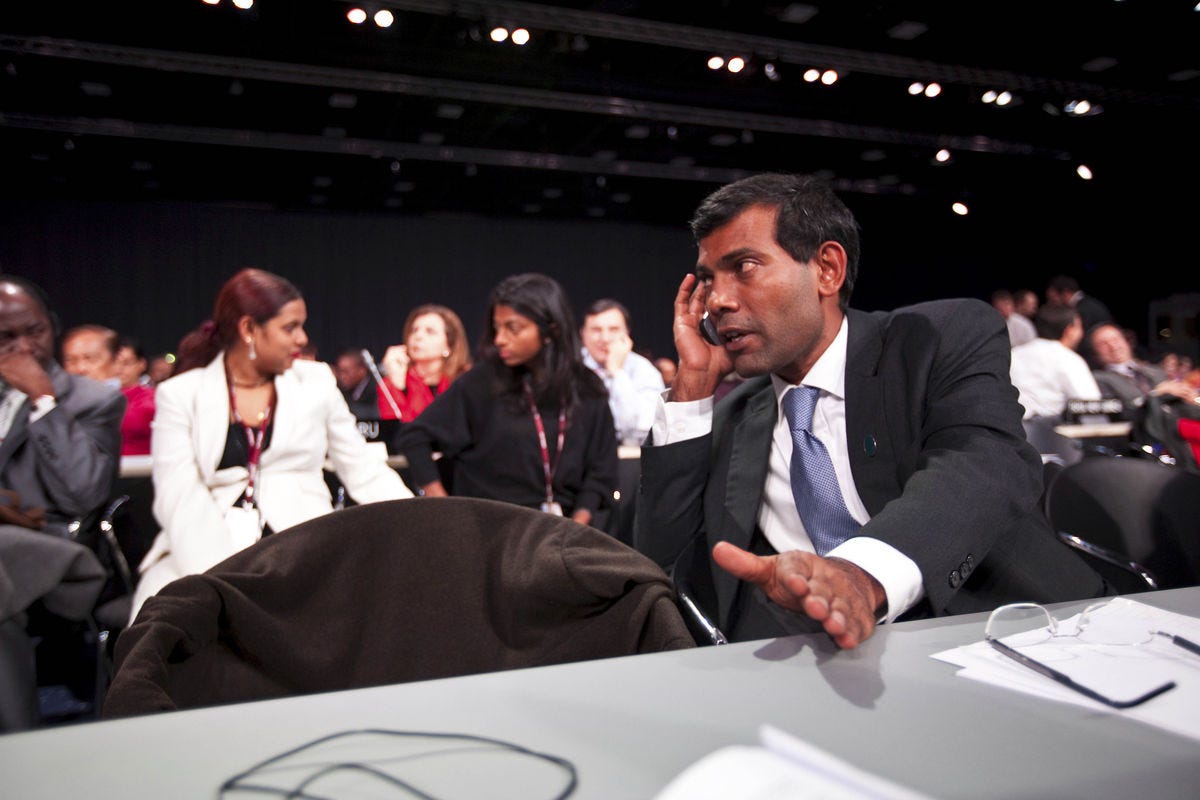
The week leading up to this newsletter has been a bummer, partly because I have the flu (yes, I got the flu shot this season, but this is a beast of a variant), and so my viewing productivity has been way down. Worse than my illness, though, is our loss of Frederick Wiseman. I’ve worried about his death for years, but I also hoped he might live forever. There are very few documentary filmmakers throughout the history of cinema with such a defining style and output.
Wiseman was among the most influential yet also one of the most compared to documentarians ever, often inaccurately, especially by other film critics. And he might be the last of his generation who came up during a certain era of verite cinema in the 1960s (Edgar Morin doesn’t quite count since he wasn’t really a filmmaker outside of co-directing Chronicle of a Summer). We now say goodbye to a man and a movement.
I want to share a few block quotes from my interview with Frederick Wiseman from 2011 (sadly, maybe the only time I ever got to talk to him) that I think describe his films better than I or anyone else ever could:
“The uses of the body is a subject that cuts across a lot of my movies. Not just because obviously movies are about bodies, but specifically Essene, the monastery movie, is in part about the denial of the body; Titicut Follies is about the confinement of the body; Basic Training, Manoeuvre, and Missile are about the use of the body in the service of the state; the Domestic Violence movies are about the violent abuse of the body; Hospital and Near Death are about the destruction of the body by disease; Model is about the sensation of the body by selling products; Store is about the adornment of the body to sell products.”
“When a film works, it has to work, let’s say, from a structural point, on two levels. It has to work on a factual level, so there’s enough information on an actual, factual, and literal level, so there’s enough information so the viewer who hasn’t spent ten weeks in the place can understand what’s going on. But at the same time, it has to work on an abstract or metaphorical level, because otherwise it’s not particularly interesting; it’s just unrelated sequences. You have to find interrelating sequences. One of the ways you can thematically connect the sequences is by these transition shots. They serve a double purpose.”
“Some people think that unless I’m making a film about poor people with, in their opinion, a point of view in the film that poor people are being exploited, that it’s not a Wiseman film. A Wiseman film, for them, not for me, certainly, represents that. And I think that shows a complete misunderstanding of what I’m doing. I think what I’m doing is trying to make a movie with a dramatic structure of an interesting subject. And which reflects the complexity and ambiguity of the material and doesn’t proceed from any simple-minded point of view.”
“What I think about it is what the film is. I don’t know much about the subject before I start. And I hope I’ve learned something, and what I’ve learned is what you see in the film. The principal function of the editing is to impose a form on the experience. I mean, the rushes collectively have no form except insofar as what I impose on them by editing. That form is the dramatic structure of the film, and my point of view is expressed indirectly through structure rather than directly through narration.”
Now, without further ado, below are this week’s documentary highlights, followed by daily listings for all known releases and broadcasts, along with a brief look at what’s coming soon for doc fans. Please consider becoming a paid subscriber to receive more in-depth highlights and reviews in the future, plus full access to special posts like our best of and most anticipated lists, and to give me more time to watch more (if not everything) available. If you have a doc in need of coverage or a mention, you can reach me at christopherbartoncampbell (at) gmail.
Some very rare things happened for me this month. One was being invited to a theatrical press screening of a documentary (we don’t get a lot of those that I can get to where I live). The other was seeing two music documentaries in a single week that I will likely rank among the best films of 2026. If I see a better music documentary this year than either of them, I’ll be shocked. This, coming from someone who is very picky about praising music documentaries. I foresee both of them doing very well come awards time. The first of these is Baz Luhrmann’s DocOption™ related to his 2022 Elvis biopic, EPiC: Elvis Presley in Concert. Here’s the start of my review:
“Three years after directing Austin Butler in an Oscar-nominated portrayal of Elvis Presley, Baz Luhrmann makes his documentary debut with the real deal, and it’s an even more spectacular biographical effort. EPiC: Elvis Presley in Concert is a dazzling theatrical experience not matched since Brett Morgen’s kaleidoscopic David Bowie film, Moonage Daydream. And there’s as much substance to the film as style.
“EPiC: Elvis Presley in Concert is an archival documentary that uses old audio interviews with Presley for loose narration atop clips spanning the music icon’s career. However, most of the footage is concentrated on the last decade of his life, as he returned to performing live shows. The film begins with disdainful remarks from Presley about his stint in Hollywood, setting up the concerts as a happy comeback.
“Immediately, we see a joyful King of Rock and Roll in the rehearsal studio. He’s goofy, having fun with his backing band, joking around. Later, he’s on stage, making more jokes, pretending to attack his singers, kissing his fans, exhibiting his playful side, and all that charm that made him a star. He clearly loves being on stage so much, and that not only becomes the point of the film, but it’s also an infectious experience.”
Continue reading my review of EPiC: Elvis Presley in Concert.
The other music documentary I saw is Morgan Neville’s Man on the Run, which (spoiler alert) will be my Pick of the Week in the next newsletter, when it begins its streaming release, even though it’s also on the calendar in this edition (and the last one) for a theatrical showing. Luhrmann’s Elvis documentary is far more theatrically necessary, and I highly recommend seeing it during its IMAX run if you can.
EPiC: Elvis Presley in Concert opens exclusively on IMAX screens on Friday, February 20, before its full theatrical release begins on Friday, February 27.
Through his nonprofit Artfully United, Mike Norice has been painting murals in disadvantaged neighborhoods. They consist of a single word, like “hope,” or “believe,” or “forgiveness,” and feature an appearance from his cartoon mascot. They brighten their locations in more ways than one, and this documentary about him and his works extends the vibes to you. It’s not an especially high-quality film, but in my review of Artfully United last year, I wrote that it “proves that words have power, and the right ones, along with a little love and compassion, can bring harmony to any community.”
Artfully United will be released on VOD on Friday, February 20.
As long as the four true members of The Beatles keep getting multiple documentaries yearly, Billy Preston, who is one of a handful of people labeled “the fifth Beatle,” is deserving, too. That’s why I would’ve tried harder to see Billy Preston: That’s the Way God Planned It were I not so sick. The legendary keyboardist and songwriter is one of those music icons that everyone has heard but probably doesn’t know much about. Nearly two years since its SXSW premiere, we can finally remedy that.
Billy Preston: That’s the Way God Planned It will be released in theaters, specifically the Film Forum in New York City, on Friday, February 20.
The second re-release in AMC’s IMAX Documentary Showcase this year is Deep Sky, a short celebration of the people who worked on the James Webb Space Telescope and the magnificent images it has captured. Through narration by Michelle Williams, the film also tells of the origins of the universe. Here’s an excerpt from my review of Deep Sky: “It’s a documentary about creation and discovery, and it leaves us wondering about the significance and insignificance of human progress…I’ll always enjoy documentaries featuring interviews with scientists because they are so excited about their work and what it achieves.”
Deep Sky returns to theaters, exclusively on IMAX screens, on Friday, February 20.
I wondered why Barbara Kopple’s Harlan County U.S.A. wasn’t included in last week’s TCM spotlight on Oscar-nominated and Oscar-winning documentaries, as it has been in the past. Well, it turns out they were saving it for a program called “Oscar Goes on Strike,” where it’s being shown alongside such dramatic classics as On the Waterfront and Black Fury. Like the latter of those, Harlan County U.S.A. is about coal miners. This is my second time highlighting the film in two months, so again, here’s some of what I wrote when I highlighted it for a broadcast airing two years ago:
“It is one of my picks for the best documentaries of all time (and it has one of the best opening scenes in documentaries)…the first of Barbara Kopple’s two Oscar-winning documentaries following workers’ strikes, Harlan County U.S.A. is raw and rustic with a refined point of view. It’s easy to feel nostalgia while watching, not for the time and place it’s set in but for the type of filmmaking (and film stock used) on display. If more documentaries were this exceptional, there would be more classic documentaries on TCM.”
Harlan County U.S.A. will air on TCM on Thursday, February 26.
I’m frankly not seeing enough new documentaries being released throughout February for Black History Month, but PBS has the occasion partly covered with The Inquisitor. The feature spotlights Barbara Jordan, the first African-American congresswoman from the South (representing a district in Texas). That wasn’t even her first historical electoral achievement, but it’s the most noteworthy. At the same time, she became the first (known) gay woman elected to Congress, though she wasn’t publicly out during her lifetime. I haven’t yet seen the documentary, but I anticipate it being at least a nice companion to Shola Lynch’s Chisholm ‘72: Unbought & Unbossed, about the first African-American woman elected to the House of Representatives, Shirley Chisholm, who preceded Jordan in Washington by two years.
The Inquisitor makes its broadcast premiere on PBS via Independent Lens on Monday, February 23.
As is an annual tradition, the 15 Oscar-nominated films in the three shorts categories are being released in theaters ahead of the Academy Awards. This is the first year that Roadside Attractions is handling the distribution of these programs, and they’re doing so with a lot of fanfare, including having them presented by filmmaker Taika Waititi. Nonfics is only officially concerned with the contenders for Best Documentary Short Film, which include (in alphabetical order) All the Empty Rooms, Armed Only with a Camera: The Life and Death of Brent Renaud, Children No More: “Were and Are Gone”, The Devil is Busy, and perfectly a strangeness. You can find my ranking of the nominated documentaries, my fresh thoughts on each, and my insight into which might win the Academy Award in a post sent out earlier.
The 2026 Oscar-nominated documentary short films will be released in theaters together on Friday, February 20.
Among the several documentary filmmakers whose work is compared to that of Frederick Wiseman, Raymond Depardon may seem most fitting based on subject matter alone. The French director has made documentaries focused on institutions involving mental health and law and order, similar to a handful of Wiseman’s films. But they don’t resemble Wiseman’s documentaries at all. They tend to interact with their subjects more (or vice versa) rather than merely observing them.
Also, Depardon didn’t usually offer as broad a look at the institutions he covered, as evidenced especially by two of my favorites, Caught in the Acts and The 10th Judicial Court: Judicial Hearings. These films, which make for a great pairing, feel more like comprehensions of specific roles of public prosecutors and a trial judge, respectively, and the accused persons who come before them. Depardon additionally explored rural life in France in portraiture films, including his Peasant Profiles trilogy and Modern Life, which don’t resemble Wiseman’s documentaries in any way.
The former photojournalist, who turns 84 this summer, is the subject of a retrospective via the Film at Lincoln Center entitled “Raymond Depardon: Humanity in Focus.” The majority of the 27 films programmed for the event are likely to be new to even diehard fans of nonfiction cinema, as only a handful are available to watch anywhere at home. For those who can’t make it to New York City for the theatrical showings, though, you can give Modern Life, 12 Days, Les Habitants, and his self-portrait, Journal de France, on the streaming service OVID. Those and the rest (including his rare fiction works) will otherwise be shown in daily screenings held at the Walter Reade Theater from Friday, February 20, through Sunday, March 1.
Black Public Media has named the married couple Stanley Nelson and Marcia Smith as recipients of the BPM Trailblazer Award, which will be presented at the PitchBLACK Awards in April. The duo, who just so happen to be executive producers of this week’s highlighted documentary The Inquisitor, are best known for collaborating on such essential historical films as Freedom Riders, Jonestown: The Life and Death of Peoples Temple, The Murder of Emmett Till, Wounded Knee, and the Oscar-nominated feature Attica, all of them directed or co-directed by Nelson.
This year’s nonfiction winners at the Independent Spirit Awards, held last Sunday, included Oscar frontrunner The Perfect Neighbor (now streaming on Netflix) and Pee-wee as Himself (HBO Max). The former was named Best Documentary while the latter won the award for Best New Non-scripted or Documentary Series. Also, Rajee Samarasinghe, the director of Your Touch Makes Others Invisible (currently unavailable), won the Truer Than Fiction Award.
The international film critics organization Fipresci announced the nominees for their inaugural Documentary Grand Prix award, and they, too, have recognized The Perfect Neighbor. That feature’s competition here includes fellow Oscar nominee Mr. Nobody Against Putin (now on VOD), shoulda been Oscar-nominated 2000 Meters to Andriivka (PBS), Critics Choice nominee Orwell 2+2=5 (VOD), and Fiume o Morte!, which hasn’t been officially released in the U.S. The winner will be revealed in May.
This year’s George Polk Awards in Journalism winners included director Mstyslav Chernov and photographer Alex Babenko for their work on the film 2000 Meters to Andriivka, which topped our list of the best documentaries of 2025. This is particularly special since these awards haven’t seemed to have had a specific documentary film award for about a decade. Also, it’s a reminder that it should’ve received an Oscar nomination for Best Documentary Feature Film.
All the Empty Rooms (2025) – An Oscar-nominated short documentary about journalist Steve Hartman, photographer Lou Bopp, and their project showcasing empty bedrooms of children killed in school shootings. Find a link to our ranking of this year’s Oscar-nominated short documentaries in the highlights section above. *NONFICS PICK* (In Theaters)
Armed Only with a Camera: The Life and Death of Brent Renaud (2025) – An Oscar-nominated short documentary about the titular journalist, who was killed while covering the war in Ukraine. Find a link to our ranking of this year’s Oscar-nominated short documentaries in the highlights section above. *NONFICS PICK* (In Theaters)
Artfully United (2025) – A documentary feature about a mural artist in Los Angeles whose work focuses on undeserved neighborhoods. Read our review of Artfully United. (VOD)
Billy Preston: That’s the Way God Planned It (2024) – A biographical documentary about the titular keyboardist. (In Theaters)
The BMF Documentary: Blowing Money Fast Season 2, Episode 6 – The latest installment of a docuseries about Black Mafia Family. (Starz)
Children No More: “Were and Are Gone” (2025) – An Oscar-nominated short documentary about activists in Israel sharing photos of children killed in strikes against Gaza. Find a link to our ranking of this year’s Oscar-nominated short documentaries in the highlights section above. *NONFICS PICK* (In Theaters)
Deep Sky (2023) – A short documentary about the Webb Telescope directed by two-time Oscar-nominated filmmaker Nathaniel Kahn (My Architect) and narrated by Michelle Williams. Read our review of Deep Sky. *NONFICS PICK* (IMAX Theatres)
The Devil is Busy (2024) – An Oscar-nominated short documentary by Geeta Gandbhir and Christalyn Hampton about a woman working security at an Atlanta abortion clinic. Find a link to our ranking of this year’s Oscar-nominated short documentaries in the highlights section above. *NONFICS PICK* (In Theaters)
Emergent City (2024) – A documentary about the debate over the development plans for an industrial area of Brooklyn. Read our review of Emergent City. (OVID)
EPiC: Elvis Presley in Concert (2025) – A documentary feature directed by Baz Luhrmann starring Elvis as he returns to the stage in his later years. Read our review of EPiC: Elvis Presley in Theaters. *NONFICS PICK* (In IMAX Theaters)
Meduza (2025) – A documentary about a Ukrainian actor turned soldier. (VOD)
Monsterquest Season 5, Episode 7: “Monster Hotspots” – The latest episode of a docuseries about strange creatures spotted around the world. (History)
Neighbors Episode 2: “The Farm” – The second installment of a six-part docuseries executive-produced by Josh Safdie and Ronald Bronstein about outrageous conflicts between neighbors. (HBO Max)
perfectly a strangeness (2024) – An Oscar-nominated short documentary following three donkeys around an abandoned astronomical observatory in Chile. Find a link to our ranking of this year’s Oscar-nominated short documentaries in the highlights section above. *NONFICS PICK* (In Theaters)
Prophet Without Honor (1939) – An Oscar-nominated short about Matthew Fontaine Maury, who developed the first maps charting the oceans’ winds and currents. (TCM)
The White House Episodes 5 & 6: “The Gilded Cage” & “Dolley’s Squeezes” – The latest installments of a docudrama series about scandals in the U.S. presidential residency. These episodes involve the Burr/Hamilton rivalry and President James Madison. (Fox Nation)
Buried in the Backyard Season 6, Episode 10: “Nobody Talks” – The latest installment of a true-crime docuseries about the odd locations where murder victims were found. This episode involves a gaming party gone wrong. (Oxygen True Crime)
The Curious Case of… Season 2, Episode 7: “The Woman Dying for Attention” – The latest installment of a true-crime docuseries involving mind-bending and jaw-dropping cases. (Investigation Discovery)
Grand Prix: Challenge of the Champions (1966) – A short documentary about the making of the film Grand Prix during race day at Monaco. (TCM)
Iyanla: The Inside Fix Season 1, Episode 6: “Belly to the Ground” – The latest installment of a nonfiction series that revisits Iyanla Vanzant’s show Fix My Life. (OWN)
Kingdom Season 1, Episode 5: “Olimba’s Last Chance” – The fifth installment of a nature series narrated by Sir David Attenborough following rival families of leopards, hyenas, wild dogs, and lions. (AMC+ and BBC America)
Maxxed Out Season 1, Episode 7: “Massaging the Numbers” – The latest episode of a docuseries focused on people currently having financial troubles. (OWN)
History’s Greatest Picks with Mike Wolfe Season 1, Episode 1: “Wheelin’ and Dealin’” – The first installment of a docuseries about legendary treasures, relics, and artifacts from history. (History)
Man on the Run (2025) – A documentary directed by Morgan Neville (Piece by Piece) about Paul McCartney post-Beatles as he formed the band Wings. *NONFICS PICK* (In Theaters — 2/19 & 2/22 Only)
The CEO Club (2026) – An eight-part docuseries about women CEOs. (Prime Video)
Fatal Attraction: I’d Kill to Be You Season 1, Episode 5: “In Her Shoes” – The latest installment of a true-crime series about cases involving jealousy. (TV One)
History’s Deadliest with Ving Rhames Season 1, Episode 4: “Tyrants” – The latest installment of a docuseries about history’s most devastating killers, weapons, battles, and disasters. (History)
Homecoming: The Tokyo Series (2026) – A documentary feature about the 2025 MLB season opener held in Japan between the Los Angeles Dodgers and the Chicago Cubs. (Theatrical Screenings via Fathom Events — 2/23 & 2/24 Only)
The Inquisitor (2025) – A documentary feature about Texas congresswoman Barbara Jordan. Presented as an installment of Independent Lens. (PBS)
Marines in the Making (1942) – An Oscar-nominated short documentary showcasing U.S. Marine Corps combat training. (TCM)
Threshold (2026) – A documentary feature about Olympic gold medalist cross-country skier Jessie Diggins. (Peacock)
7 Walks with Mark Brown (2024) – A documentary following a paleobotanist as he searches for native plants in Normandy for an ancient garden. (Blu-ray)
Christina Lindberg: The Original Eyepatch Wearing Butt Kicking Movie Babe (2015) – A biographical documentary about the titular actress who starred in 1970s cult classics and was a big inspiration for Quentin Tarantino. (Blu-ray)
The Encampments (2025) – A feature documentary about the Gaza Solidarity Encampment student protests on the Columbia University campus. Read our review of The Encampments. (Blu-ray)
Finding Your Roots with Henry Louis Gates Jr. Season 12, Episode 8: “Artistic Roots” – The latest installment of a docuseries presenting celebrities with their ancestral history. Filmmaker Spike Lee and actress Kristin Chenoweth are the participants in this episode. (PBS)
Homecoming: The Tokyo Series (2026) – A documentary feature about the 2025 MLB season opener held in Japan between the Los Angeles Dodgers and the Chicago Cubs. (Theatrical Screenings via Fathom Events — 2/23 & 2/24 Only)
How to Save Democracy (2026) – A documentary about the roots of democracy and why it’s struggling today. (DVD)
Killer Confessions: Case Files of a Texas Ranger Season 1, Episode 7: “The Weakest Link” – The latest installment of a true-crime docuseries involving confessions, starring a retired Texas Ranger. (Investigation Discovery)
Killer Profiles Season 1 – A true-crime docuseries following a forensic psychologist. (Blu-ray)
The Miracle of Tonya Pinkins (2026) – A biographical documentary about the titular Broadway star. (DVD)
Mistress Dispeller (2024) – An Oscar-shortlisted documentary feature about a woman who hired someone to stop her husband from cheating. Read our review of Mistress Dispeller. (The Criterion Channel)
Pablo (2012) – An animated documentary feature about title designer Pablo Ferro. (DVD and Blu-ray)
Paradise (2021) – A documentary about the devastating Paradise, California, wildfires in 2018. (DVD and Blu-ray)
Richard Pryor… Here and Now (1983) – A stand-up comedy concert film and documentary starring Richard Pryor. (4K Blu-ray)
The Secret Lives of Bill Bartell (2025) – A documentary feature about the titular musician, manager, and label owner. (Blu-ray)
She Was Here (2026) – A documentary about Poltergeist child actress Heather O’Rourke. (DVD and VOD)
Smoke and Mirrors: The Story of Tom Savini (2015) – A biographical documentary about the titular visual effects legend. (Blu-ray)
The Walking Dead Girls (2011) – A documentary about the fan obsession with sexy female zombies. (DVD and Blu-ray)
Alaska State Troopers Season 9, Episode 8: “One Bad Decision” – The latest installment of a docuseries about state troopers in Alaska. (A&E)
Expedition X Season 11, Episode 8 – The latest installment of a paranormal investigation series. (Discovery)
Lost Women of Alaska (2026) – A three-part true-crime series in Octavia Spencer’s Lost Women franchise that looks at murder cases involving women, this one being specifically about the brutal killing of two Alaska Natives. (Investigation Discovery)
Nature: Parenthood Episode 4: “Jungles” – The fourth installment of a docuseries narrated by Sir David Attenborough that showcases animal parents around the world. (PBS)
Pink Floyd at Pompeii – MCMLXXII (1972/2025) – A restored version of the classic 1972 concert film. Read our review of Pink Floyd at Pompeii. *NONFICS PICK* (4K Blu-ray)
Twenty One Pilots: More Than We Ever Imagined (2026) – A concert film starring Twenty One Pilots as they perform in Mexico City. (In IMAX Theaters)
Unstuck: An OCD Kids Movie (2017) – A short documentary about children with OCD. (OVID)
The American Runestone Season 2 – The return of a docuseries starring actor Peter Stormare about a runestone left by Viking explorers in Minnesota in the 14th century. (Viaplay)
Annie Was a Wonder (1949) – An Oscar-nominated short documentary about a housekeeper. (TCM)
Brabus: One Second Wow! (2026) – A six-part docuseries following the CEO of the titular car brand as they prepare for an annual supercar fashion show. (Prime Video)
Concrete, Steel and Paint (2009) – A medium-length documentary about a mural project uniting prison inmates and victims of crime as collaborators. (OVID)
David: King of Israel (2026) – A docudrama series hosted by Zachary Levi about the titular biblical figure. (Fox Nation)
Harlan County U.S.A. (1976) – A classic, Oscar-winning documentary by Barbara Kopple about a miner’s strike. *NONFICS PICK* (TCM)
Mysteries Unearthed with Danny Trejo Season 2, Episode 11: “Puzzling Finds” – The latest installment of a docuseries exploring hidden worlds. (History)
The Proof is Out There: Alien Edition Season 3, Episode 1: “Alien Abductions” – The return of a UFO-focused spinoff of the docuseries investigating mysteries of the unknown. (History)
True Crime Story: It Couldn’t Happen Here Season 3, Episode 2: “State College, Pennsylvania” – The latest installment of a true-crime series focused on murders in small towns. (Sundance TV)
2/27 – Man on the Run – A documentary directed by Morgan Neville (Piece by Piece) about Paul McCartney post-Beatles as he formed the band Wings. *NONFICS PICK* (Prime Video)
3/10 – Fukushima: A Nuclear Nightmare – A documentary feature about the threat posed by the Fukushima Daiichi nuclear power plant following an earthquake off the coast of Japan in 2011. Watch the new trailer for the film below. (HBO and HBO Max)
3/16 – Iron Family – A documentary about a playwright with Down syndrome. (VOD)
3/22 – Standoff: The FBI, Power and Paranoia – A four-part docuseries about the relationship between FBI directors and U.S. presidents. Watch the new trailer for the series below. (CNN)
3/24 – White with Fear – A feature documentary about the racist fear that white Americans are losing their power. (PBS)
3/27 – The AI Doc: Or How I Became an Apocaloptimist – A documentary feature directed by Oscar-winning filmmaker Daniel Roher (Navalny) and Charlie Tyrell (My Dead Dad’s Porno Tapes) about Roher’s contemplation of the future that his soon-to-be-born child will be growing up in. Watch the new trailer for the film below. (In Theaters)
4/14 – Hearts of Darkness: The Making of “The Final Friday” – A documentary about the making of Jason Goes to Hell: The Final Friday. (Blu-ray)
4/17 – Lorne – A documentary directed by Morgan Neville (Won’t You Be My Neighbor?) about Saturday Night Live creator Lorne Michaels. (In Theaters)
Nonfics is a reader-supported publication. To receive new posts and support my work, consider becoming a free or paid subscriber.
The week leading up to this newsletter has been a bummer, partly because I have the flu (yes, I got the flu shot this season, but this is a beast of a variant), and so my viewing productivity has been way down. Worse than my illness, though, is our loss of Frederick Wiseman. I’ve worried about his death for years, but I also hoped he might live forever. There are very few documentary filmmakers throughout the history of cinema with such a defining style and output.
Wiseman was among the most influential yet also one of the most compared to documentarians ever, often inaccurately, especially by other film critics. And he might be the last of his generation who came up during a certain era of verite cinema in the 1960s (Edgar Morin doesn’t quite count since he wasn’t really a filmmaker outside of co-directing Chronicle of a Summer). We now say goodbye to a man and a movement.
I want to share a few block quotes from my interview with Frederick Wiseman from 2011 (sadly, maybe the only time I ever got to talk to him) that I think describe his films better than I or anyone else ever could:
“The uses of the body is a subject that cuts across a lot of my movies. Not just because obviously movies are about bodies, but specifically Essene, the monastery movie, is in part about the denial of the body; Titicut Follies is about the confinement of the body; Basic Training, Manoeuvre, and Missile are about the use of the body in the service of the state; the Domestic Violence movies are about the violent abuse of the body; Hospital and Near Death are about the destruction of the body by disease; Model is about the sensation of the body by selling products; Store is about the adornment of the body to sell products.”
“When a film works, it has to work, let’s say, from a structural point, on two levels. It has to work on a factual level, so there’s enough information on an actual, factual, and literal level, so there’s enough information so the viewer who hasn’t spent ten weeks in the place can understand what’s going on. But at the same time, it has to work on an abstract or metaphorical level, because otherwise it’s not particularly interesting; it’s just unrelated sequences. You have to find interrelating sequences. One of the ways you can thematically connect the sequences is by these transition shots. They serve a double purpose.”
“Some people think that unless I’m making a film about poor people with, in their opinion, a point of view in the film that poor people are being exploited, that it’s not a Wiseman film. A Wiseman film, for them, not for me, certainly, represents that. And I think that shows a complete misunderstanding of what I’m doing. I think what I’m doing is trying to make a movie with a dramatic structure of an interesting subject. And which reflects the complexity and ambiguity of the material and doesn’t proceed from any simple-minded point of view.”
“What I think about it is what the film is. I don’t know much about the subject before I start. And I hope I’ve learned something, and what I’ve learned is what you see in the film. The principal function of the editing is to impose a form on the experience. I mean, the rushes collectively have no form except insofar as what I impose on them by editing. That form is the dramatic structure of the film, and my point of view is expressed indirectly through structure rather than directly through narration.”
Now, without further ado, below are this week’s documentary highlights, followed by daily listings for all known releases and broadcasts, along with a brief look at what’s coming soon for doc fans. Please consider becoming a paid subscriber to receive more in-depth highlights and reviews in the future, plus full access to special posts like our best of and most anticipated lists, and to give me more time to watch more (if not everything) available. If you have a doc in need of coverage or a mention, you can reach me at christopherbartoncampbell (at) gmail.
Some very rare things happened for me this month. One was being invited to a theatrical press screening of a documentary (we don’t get a lot of those that I can get to where I live). The other was seeing two music documentaries in a single week that I will likely rank among the best films of 2026. If I see a better music documentary this year than either of them, I’ll be shocked. This, coming from someone who is very picky about praising music documentaries. I foresee both of them doing very well come awards time. The first of these is Baz Luhrmann’s DocOption™ related to his 2022 Elvis biopic, EPiC: Elvis Presley in Concert. Here’s the start of my review:
“Three years after directing Austin Butler in an Oscar-nominated portrayal of Elvis Presley, Baz Luhrmann makes his documentary debut with the real deal, and it’s an even more spectacular biographical effort. EPiC: Elvis Presley in Concert is a dazzling theatrical experience not matched since Brett Morgen’s kaleidoscopic David Bowie film, Moonage Daydream. And there’s as much substance to the film as style.
“EPiC: Elvis Presley in Concert is an archival documentary that uses old audio interviews with Presley for loose narration atop clips spanning the music icon’s career. However, most of the footage is concentrated on the last decade of his life, as he returned to performing live shows. The film begins with disdainful remarks from Presley about his stint in Hollywood, setting up the concerts as a happy comeback.
“Immediately, we see a joyful King of Rock and Roll in the rehearsal studio. He’s goofy, having fun with his backing band, joking around. Later, he’s on stage, making more jokes, pretending to attack his singers, kissing his fans, exhibiting his playful side, and all that charm that made him a star. He clearly loves being on stage so much, and that not only becomes the point of the film, but it’s also an infectious experience.”
Continue reading my review of EPiC: Elvis Presley in Concert.
The other music documentary I saw is Morgan Neville’s Man on the Run, which (spoiler alert) will be my Pick of the Week in the next newsletter, when it begins its streaming release, even though it’s also on the calendar in this edition (and the last one) for a theatrical showing. Luhrmann’s Elvis documentary is far more theatrically necessary, and I highly recommend seeing it during its IMAX run if you can.
EPiC: Elvis Presley in Concert opens exclusively on IMAX screens on Friday, February 20, before its full theatrical release begins on Friday, February 27.
Through his nonprofit Artfully United, Mike Norice has been painting murals in disadvantaged neighborhoods. They consist of a single word, like “hope,” or “believe,” or “forgiveness,” and feature an appearance from his cartoon mascot. They brighten their locations in more ways than one, and this documentary about him and his works extends the vibes to you. It’s not an especially high-quality film, but in my review of Artfully United last year, I wrote that it “proves that words have power, and the right ones, along with a little love and compassion, can bring harmony to any community.”
Artfully United will be released on VOD on Friday, February 20.
As long as the four true members of The Beatles keep getting multiple documentaries yearly, Billy Preston, who is one of a handful of people labeled “the fifth Beatle,” is deserving, too. That’s why I would’ve tried harder to see Billy Preston: That’s the Way God Planned It were I not so sick. The legendary keyboardist and songwriter is one of those music icons that everyone has heard but probably doesn’t know much about. Nearly two years since its SXSW premiere, we can finally remedy that.
Billy Preston: That’s the Way God Planned It will be released in theaters, specifically the Film Forum in New York City, on Friday, February 20.
The second re-release in AMC’s IMAX Documentary Showcase this year is Deep Sky, a short celebration of the people who worked on the James Webb Space Telescope and the magnificent images it has captured. Through narration by Michelle Williams, the film also tells of the origins of the universe. Here’s an excerpt from my review of Deep Sky: “It’s a documentary about creation and discovery, and it leaves us wondering about the significance and insignificance of human progress…I’ll always enjoy documentaries featuring interviews with scientists because they are so excited about their work and what it achieves.”
Deep Sky returns to theaters, exclusively on IMAX screens, on Friday, February 20.
I wondered why Barbara Kopple’s Harlan County U.S.A. wasn’t included in last week’s TCM spotlight on Oscar-nominated and Oscar-winning documentaries, as it has been in the past. Well, it turns out they were saving it for a program called “Oscar Goes on Strike,” where it’s being shown alongside such dramatic classics as On the Waterfront and Black Fury. Like the latter of those, Harlan County U.S.A. is about coal miners. This is my second time highlighting the film in two months, so again, here’s some of what I wrote when I highlighted it for a broadcast airing two years ago:
“It is one of my picks for the best documentaries of all time (and it has one of the best opening scenes in documentaries)…the first of Barbara Kopple’s two Oscar-winning documentaries following workers’ strikes, Harlan County U.S.A. is raw and rustic with a refined point of view. It’s easy to feel nostalgia while watching, not for the time and place it’s set in but for the type of filmmaking (and film stock used) on display. If more documentaries were this exceptional, there would be more classic documentaries on TCM.”
Harlan County U.S.A. will air on TCM on Thursday, February 26.
I’m frankly not seeing enough new documentaries being released throughout February for Black History Month, but PBS has the occasion partly covered with The Inquisitor. The feature spotlights Barbara Jordan, the first African-American congresswoman from the South (representing a district in Texas). That wasn’t even her first historical electoral achievement, but it’s the most noteworthy. At the same time, she became the first (known) gay woman elected to Congress, though she wasn’t publicly out during her lifetime. I haven’t yet seen the documentary, but I anticipate it being at least a nice companion to Shola Lynch’s Chisholm ‘72: Unbought & Unbossed, about the first African-American woman elected to the House of Representatives, Shirley Chisholm, who preceded Jordan in Washington by two years.
The Inquisitor makes its broadcast premiere on PBS via Independent Lens on Monday, February 23.
As is an annual tradition, the 15 Oscar-nominated films in the three shorts categories are being released in theaters ahead of the Academy Awards. This is the first year that Roadside Attractions is handling the distribution of these programs, and they’re doing so with a lot of fanfare, including having them presented by filmmaker Taika Waititi. Nonfics is only officially concerned with the contenders for Best Documentary Short Film, which include (in alphabetical order) All the Empty Rooms, Armed Only with a Camera: The Life and Death of Brent Renaud, Children No More: “Were and Are Gone”, The Devil is Busy, and perfectly a strangeness. You can find my ranking of the nominated documentaries, my fresh thoughts on each, and my insight into which might win the Academy Award in a post sent out earlier.
The 2026 Oscar-nominated documentary short films will be released in theaters together on Friday, February 20.
Among the several documentary filmmakers whose work is compared to that of Frederick Wiseman, Raymond Depardon may seem most fitting based on subject matter alone. The French director has made documentaries focused on institutions involving mental health and law and order, similar to a handful of Wiseman’s films. But they don’t resemble Wiseman’s documentaries at all. They tend to interact with their subjects more (or vice versa) rather than merely observing them.
Also, Depardon didn’t usually offer as broad a look at the institutions he covered, as evidenced especially by two of my favorites, Caught in the Acts and The 10th Judicial Court: Judicial Hearings. These films, which make for a great pairing, feel more like comprehensions of specific roles of public prosecutors and a trial judge, respectively, and the accused persons who come before them. Depardon additionally explored rural life in France in portraiture films, including his Peasant Profiles trilogy and Modern Life, which don’t resemble Wiseman’s documentaries in any way.
The former photojournalist, who turns 84 this summer, is the subject of a retrospective via the Film at Lincoln Center entitled “Raymond Depardon: Humanity in Focus.” The majority of the 27 films programmed for the event are likely to be new to even diehard fans of nonfiction cinema, as only a handful are available to watch anywhere at home. For those who can’t make it to New York City for the theatrical showings, though, you can give Modern Life, 12 Days, Les Habitants, and his self-portrait, Journal de France, on the streaming service OVID. Those and the rest (including his rare fiction works) will otherwise be shown in daily screenings held at the Walter Reade Theater from Friday, February 20, through Sunday, March 1.
Black Public Media has named the married couple Stanley Nelson and Marcia Smith as recipients of the BPM Trailblazer Award, which will be presented at the PitchBLACK Awards in April. The duo, who just so happen to be executive producers of this week’s highlighted documentary The Inquisitor, are best known for collaborating on such essential historical films as Freedom Riders, Jonestown: The Life and Death of Peoples Temple, The Murder of Emmett Till, Wounded Knee, and the Oscar-nominated feature Attica, all of them directed or co-directed by Nelson.
This year’s nonfiction winners at the Independent Spirit Awards, held last Sunday, included Oscar frontrunner The Perfect Neighbor (now streaming on Netflix) and Pee-wee as Himself (HBO Max). The former was named Best Documentary while the latter won the award for Best New Non-scripted or Documentary Series. Also, Rajee Samarasinghe, the director of Your Touch Makes Others Invisible (currently unavailable), won the Truer Than Fiction Award.
The international film critics organization Fipresci announced the nominees for their inaugural Documentary Grand Prix award, and they, too, have recognized The Perfect Neighbor. That feature’s competition here includes fellow Oscar nominee Mr. Nobody Against Putin (now on VOD), shoulda been Oscar-nominated 2000 Meters to Andriivka (PBS), Critics Choice nominee Orwell 2+2=5 (VOD), and Fiume o Morte!, which hasn’t been officially released in the U.S. The winner will be revealed in May.
This year’s George Polk Awards in Journalism winners included director Mstyslav Chernov and photographer Alex Babenko for their work on the film 2000 Meters to Andriivka, which topped our list of the best documentaries of 2025. This is particularly special since these awards haven’t seemed to have had a specific documentary film award for about a decade. Also, it’s a reminder that it should’ve received an Oscar nomination for Best Documentary Feature Film.
All the Empty Rooms (2025) – An Oscar-nominated short documentary about journalist Steve Hartman, photographer Lou Bopp, and their project showcasing empty bedrooms of children killed in school shootings. Find a link to our ranking of this year’s Oscar-nominated short documentaries in the highlights section above. *NONFICS PICK* (In Theaters)
Armed Only with a Camera: The Life and Death of Brent Renaud (2025) – An Oscar-nominated short documentary about the titular journalist, who was killed while covering the war in Ukraine. Find a link to our ranking of this year’s Oscar-nominated short documentaries in the highlights section above. *NONFICS PICK* (In Theaters)
Artfully United (2025) – A documentary feature about a mural artist in Los Angeles whose work focuses on undeserved neighborhoods. Read our review of Artfully United. (VOD)
Billy Preston: That’s the Way God Planned It (2024) – A biographical documentary about the titular keyboardist. (In Theaters)
The BMF Documentary: Blowing Money Fast Season 2, Episode 6 – The latest installment of a docuseries about Black Mafia Family. (Starz)
Children No More: “Were and Are Gone” (2025) – An Oscar-nominated short documentary about activists in Israel sharing photos of children killed in strikes against Gaza. Find a link to our ranking of this year’s Oscar-nominated short documentaries in the highlights section above. *NONFICS PICK* (In Theaters)
Deep Sky (2023) – A short documentary about the Webb Telescope directed by two-time Oscar-nominated filmmaker Nathaniel Kahn (My Architect) and narrated by Michelle Williams. Read our review of Deep Sky. *NONFICS PICK* (IMAX Theatres)
The Devil is Busy (2024) – An Oscar-nominated short documentary by Geeta Gandbhir and Christalyn Hampton about a woman working security at an Atlanta abortion clinic. Find a link to our ranking of this year’s Oscar-nominated short documentaries in the highlights section above. *NONFICS PICK* (In Theaters)
Emergent City (2024) – A documentary about the debate over the development plans for an industrial area of Brooklyn. Read our review of Emergent City. (OVID)
EPiC: Elvis Presley in Concert (2025) – A documentary feature directed by Baz Luhrmann starring Elvis as he returns to the stage in his later years. Read our review of EPiC: Elvis Presley in Theaters. *NONFICS PICK* (In IMAX Theaters)
Meduza (2025) – A documentary about a Ukrainian actor turned soldier. (VOD)
Monsterquest Season 5, Episode 7: “Monster Hotspots” – The latest episode of a docuseries about strange creatures spotted around the world. (History)
Neighbors Episode 2: “The Farm” – The second installment of a six-part docuseries executive-produced by Josh Safdie and Ronald Bronstein about outrageous conflicts between neighbors. (HBO Max)
perfectly a strangeness (2024) – An Oscar-nominated short documentary following three donkeys around an abandoned astronomical observatory in Chile. Find a link to our ranking of this year’s Oscar-nominated short documentaries in the highlights section above. *NONFICS PICK* (In Theaters)
Prophet Without Honor (1939) – An Oscar-nominated short about Matthew Fontaine Maury, who developed the first maps charting the oceans’ winds and currents. (TCM)
The White House Episodes 5 & 6: “The Gilded Cage” & “Dolley’s Squeezes” – The latest installments of a docudrama series about scandals in the U.S. presidential residency. These episodes involve the Burr/Hamilton rivalry and President James Madison. (Fox Nation)
Buried in the Backyard Season 6, Episode 10: “Nobody Talks” – The latest installment of a true-crime docuseries about the odd locations where murder victims were found. This episode involves a gaming party gone wrong. (Oxygen True Crime)
The Curious Case of… Season 2, Episode 7: “The Woman Dying for Attention” – The latest installment of a true-crime docuseries involving mind-bending and jaw-dropping cases. (Investigation Discovery)
Grand Prix: Challenge of the Champions (1966) – A short documentary about the making of the film Grand Prix during race day at Monaco. (TCM)
Iyanla: The Inside Fix Season 1, Episode 6: “Belly to the Ground” – The latest installment of a nonfiction series that revisits Iyanla Vanzant’s show Fix My Life. (OWN)
Kingdom Season 1, Episode 5: “Olimba’s Last Chance” – The fifth installment of a nature series narrated by Sir David Attenborough following rival families of leopards, hyenas, wild dogs, and lions. (AMC+ and BBC America)
Maxxed Out Season 1, Episode 7: “Massaging the Numbers” – The latest episode of a docuseries focused on people currently having financial troubles. (OWN)
History’s Greatest Picks with Mike Wolfe Season 1, Episode 1: “Wheelin’ and Dealin’” – The first installment of a docuseries about legendary treasures, relics, and artifacts from history. (History)
Man on the Run (2025) – A documentary directed by Morgan Neville (Piece by Piece) about Paul McCartney post-Beatles as he formed the band Wings. *NONFICS PICK* (In Theaters — 2/19 & 2/22 Only)
The CEO Club (2026) – An eight-part docuseries about women CEOs. (Prime Video)
Fatal Attraction: I’d Kill to Be You Season 1, Episode 5: “In Her Shoes” – The latest installment of a true-crime series about cases involving jealousy. (TV One)
History’s Deadliest with Ving Rhames Season 1, Episode 4: “Tyrants” – The latest installment of a docuseries about history’s most devastating killers, weapons, battles, and disasters. (History)
Homecoming: The Tokyo Series (2026) – A documentary feature about the 2025 MLB season opener held in Japan between the Los Angeles Dodgers and the Chicago Cubs. (Theatrical Screenings via Fathom Events — 2/23 & 2/24 Only)
The Inquisitor (2025) – A documentary feature about Texas congresswoman Barbara Jordan. Presented as an installment of Independent Lens. (PBS)
Marines in the Making (1942) – An Oscar-nominated short documentary showcasing U.S. Marine Corps combat training. (TCM)
Threshold (2026) – A documentary feature about Olympic gold medalist cross-country skier Jessie Diggins. (Peacock)
7 Walks with Mark Brown (2024) – A documentary following a paleobotanist as he searches for native plants in Normandy for an ancient garden. (Blu-ray)
Christina Lindberg: The Original Eyepatch Wearing Butt Kicking Movie Babe (2015) – A biographical documentary about the titular actress who starred in 1970s cult classics and was a big inspiration for Quentin Tarantino. (Blu-ray)
The Encampments (2025) – A feature documentary about the Gaza Solidarity Encampment student protests on the Columbia University campus. Read our review of The Encampments. (Blu-ray)
Finding Your Roots with Henry Louis Gates Jr. Season 12, Episode 8: “Artistic Roots” – The latest installment of a docuseries presenting celebrities with their ancestral history. Filmmaker Spike Lee and actress Kristin Chenoweth are the participants in this episode. (PBS)
Homecoming: The Tokyo Series (2026) – A documentary feature about the 2025 MLB season opener held in Japan between the Los Angeles Dodgers and the Chicago Cubs. (Theatrical Screenings via Fathom Events — 2/23 & 2/24 Only)
How to Save Democracy (2026) – A documentary about the roots of democracy and why it’s struggling today. (DVD)
Killer Confessions: Case Files of a Texas Ranger Season 1, Episode 7: “The Weakest Link” – The latest installment of a true-crime docuseries involving confessions, starring a retired Texas Ranger. (Investigation Discovery)
Killer Profiles Season 1 – A true-crime docuseries following a forensic psychologist. (Blu-ray)
The Miracle of Tonya Pinkins (2026) – A biographical documentary about the titular Broadway star. (DVD)
Mistress Dispeller (2024) – An Oscar-shortlisted documentary feature about a woman who hired someone to stop her husband from cheating. Read our review of Mistress Dispeller. (The Criterion Channel)
Pablo (2012) – An animated documentary feature about title designer Pablo Ferro. (DVD and Blu-ray)
Paradise (2021) – A documentary about the devastating Paradise, California, wildfires in 2018. (DVD and Blu-ray)
Richard Pryor… Here and Now (1983) – A stand-up comedy concert film and documentary starring Richard Pryor. (4K Blu-ray)
The Secret Lives of Bill Bartell (2025) – A documentary feature about the titular musician, manager, and label owner. (Blu-ray)
She Was Here (2026) – A documentary about Poltergeist child actress Heather O’Rourke. (DVD and VOD)
Smoke and Mirrors: The Story of Tom Savini (2015) – A biographical documentary about the titular visual effects legend. (Blu-ray)
The Walking Dead Girls (2011) – A documentary about the fan obsession with sexy female zombies. (DVD and Blu-ray)
Alaska State Troopers Season 9, Episode 8: “One Bad Decision” – The latest installment of a docuseries about state troopers in Alaska. (A&E)
Expedition X Season 11, Episode 8 – The latest installment of a paranormal investigation series. (Discovery)
Lost Women of Alaska (2026) – A three-part true-crime series in Octavia Spencer’s Lost Women franchise that looks at murder cases involving women, this one being specifically about the brutal killing of two Alaska Natives. (Investigation Discovery)
Nature: Parenthood Episode 4: “Jungles” – The fourth installment of a docuseries narrated by Sir David Attenborough that showcases animal parents around the world. (PBS)
Pink Floyd at Pompeii – MCMLXXII (1972/2025) – A restored version of the classic 1972 concert film. Read our review of Pink Floyd at Pompeii. *NONFICS PICK* (4K Blu-ray)
Twenty One Pilots: More Than We Ever Imagined (2026) – A concert film starring Twenty One Pilots as they perform in Mexico City. (In IMAX Theaters)
Unstuck: An OCD Kids Movie (2017) – A short documentary about children with OCD. (OVID)
The American Runestone Season 2 – The return of a docuseries starring actor Peter Stormare about a runestone left by Viking explorers in Minnesota in the 14th century. (Viaplay)
Annie Was a Wonder (1949) – An Oscar-nominated short documentary about a housekeeper. (TCM)
Brabus: One Second Wow! (2026) – A six-part docuseries following the CEO of the titular car brand as they prepare for an annual supercar fashion show. (Prime Video)
Concrete, Steel and Paint (2009) – A medium-length documentary about a mural project uniting prison inmates and victims of crime as collaborators. (OVID)
David: King of Israel (2026) – A docudrama series hosted by Zachary Levi about the titular biblical figure. (Fox Nation)
Harlan County U.S.A. (1976) – A classic, Oscar-winning documentary by Barbara Kopple about a miner’s strike. *NONFICS PICK* (TCM)
Mysteries Unearthed with Danny Trejo Season 2, Episode 11: “Puzzling Finds” – The latest installment of a docuseries exploring hidden worlds. (History)
The Proof is Out There: Alien Edition Season 3, Episode 1: “Alien Abductions” – The return of a UFO-focused spinoff of the docuseries investigating mysteries of the unknown. (History)
True Crime Story: It Couldn’t Happen Here Season 3, Episode 2: “State College, Pennsylvania” – The latest installment of a true-crime series focused on murders in small towns. (Sundance TV)
2/27 – Man on the Run – A documentary directed by Morgan Neville (Piece by Piece) about Paul McCartney post-Beatles as he formed the band Wings. *NONFICS PICK* (Prime Video)
3/10 – Fukushima: A Nuclear Nightmare – A documentary feature about the threat posed by the Fukushima Daiichi nuclear power plant following an earthquake off the coast of Japan in 2011. Watch the new trailer for the film below. (HBO and HBO Max)
3/16 – Iron Family – A documentary about a playwright with Down syndrome. (VOD)
3/22 – Standoff: The FBI, Power and Paranoia – A four-part docuseries about the relationship between FBI directors and U.S. presidents. Watch the new trailer for the series below. (CNN)
3/24 – White with Fear – A feature documentary about the racist fear that white Americans are losing their power. (PBS)
3/27 – The AI Doc: Or How I Became an Apocaloptimist – A documentary feature directed by Oscar-winning filmmaker Daniel Roher (Navalny) and Charlie Tyrell (My Dead Dad’s Porno Tapes) about Roher’s contemplation of the future that his soon-to-be-born child will be growing up in. Watch the new trailer for the film below. (In Theaters)
4/14 – Hearts of Darkness: The Making of “The Final Friday” – A documentary about the making of Jason Goes to Hell: The Final Friday. (Blu-ray)
4/17 – Lorne – A documentary directed by Morgan Neville (Won’t You Be My Neighbor?) about Saturday Night Live creator Lorne Michaels. (In Theaters)
Nonfics is a reader-supported publication. To receive new posts and support my work, consider becoming a free or paid subscriber.