

Interviews get a bad rap in documentary.
I understand why — many bad docs are indeed just lineups of “talking head” interviews blandly delivering exposition through sound bites and “b-roll”. This is not cinematic.
However, I could not help but raise an eyebrow upon noticing SFFILM’s Documentary Film Fund grant criteria specifically rules out “projects that primarily use interviews as a storytelling device” — I guess because they only want to fund “innovation in storytelling,” and interviews can’t be innovative? Okay, I’m sorry, but that’s dumb. I guess nobody over there has ever seen an Errol Morris film? Why not randomly rule out some other storytelling device that can be used badly, like observational footage, or archive?
Please share your favorite examples of documentaries making use of extraordinary — even “innovative” — interviews in the comments!
Despite the disrespect, the fact remains: interviews are a valuable tool in the doc toolbox. It’s totally fine to have a preference against them. But it’s also worth exploring what makes some interviews result in memorable, cinematic moments, while others result in something so lame, documentary funders no longer fund movies that use them.
In defense of talking heads
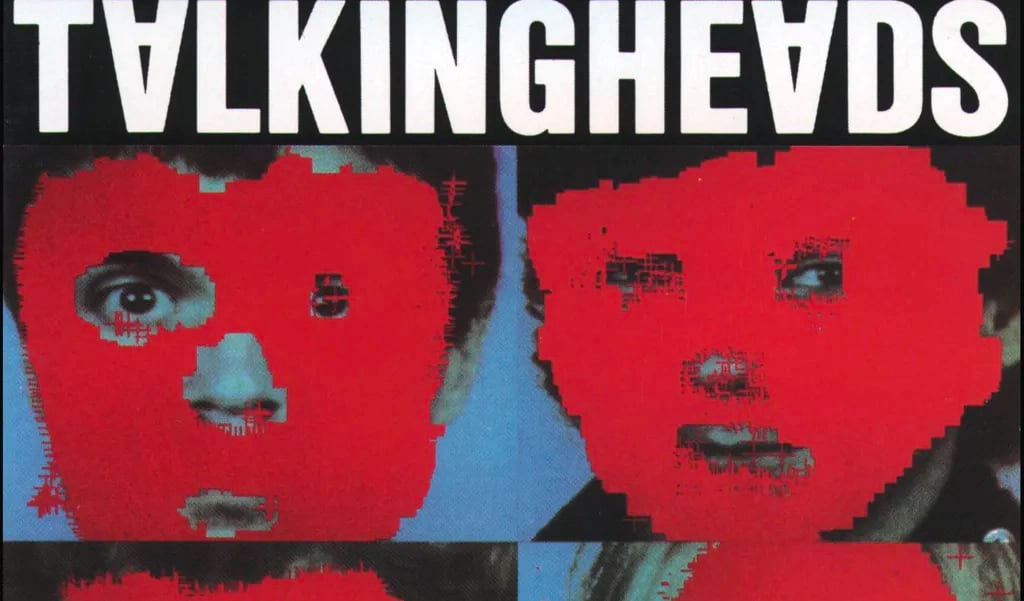
When David Byrne, Tina Weymouth and Chris Frantz needed a name for their band, they looked to a 1975 TV Guide article about jargon used by TV news camera operators. They hit upon “talking head,” an industry term for head-and-shoulders shot of a person talking, which Weymouth described as “all content, no action.”
All content, no action is the best description of the problem of interviews I have ever read! At worst, there are interviews so lame they may as well be explanatory text cards. Even good interviews struggle to earn their place as action.
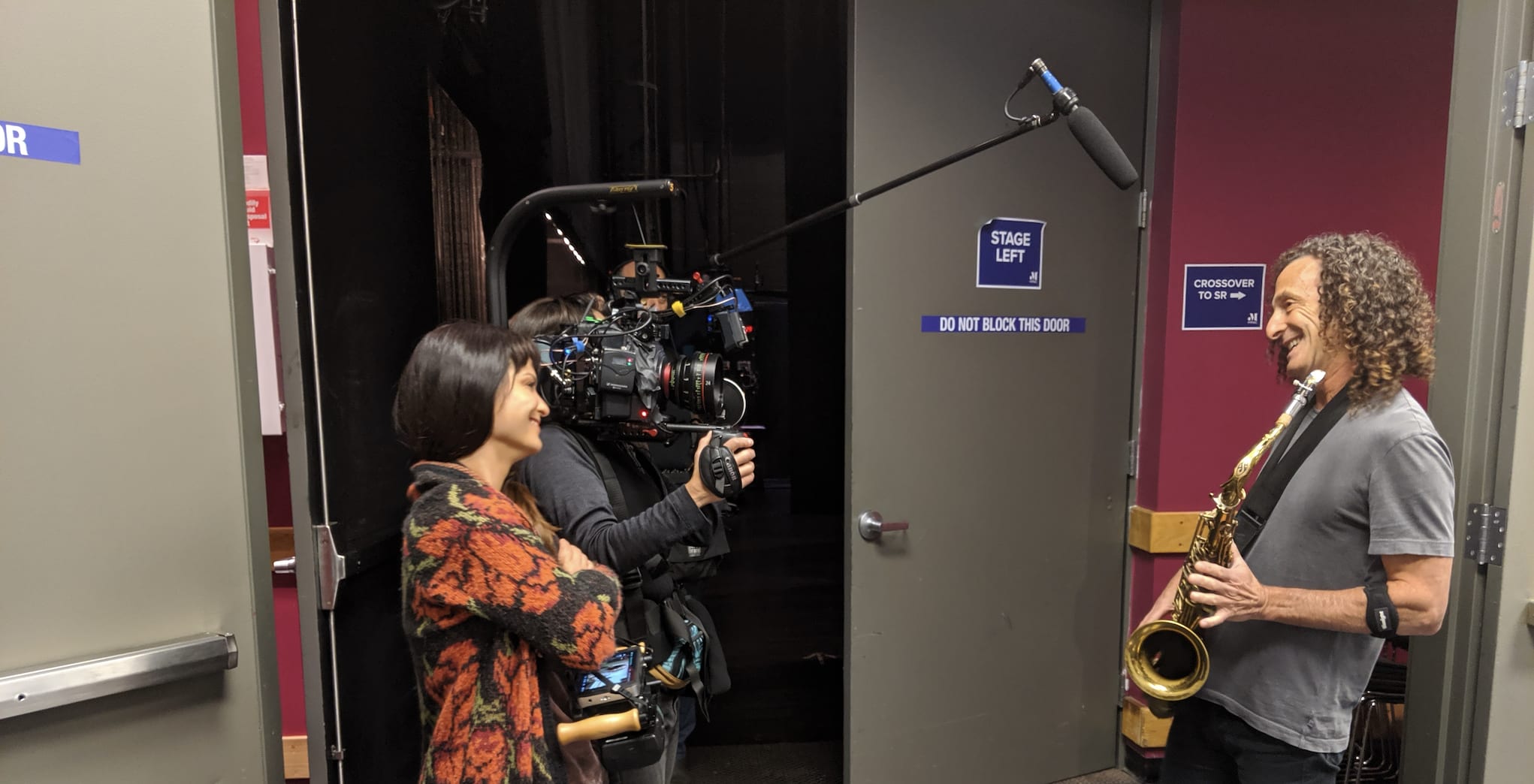
Personally? I love interviews.
Some of my favorite experiences in documentary making have been interview-based. I enjoy talking to people; they are fascinating. I like the balance of control and freedom. I have had stunning realizations during interviews and I’ve seen the same thing happen with my interviewees.
I’ve also discovered there is plenty of action in interviews; you just need to know where to look, and how to direct it. We do not have to settle for all content, no action! We can do better!
Today, I’m sharing everything I’ve learned about how to direct memorable, cinematic interviews.
I’m even sharing a link to the FULL INTERVIEW PREP DOC I made for my music critic interviews in Listening to Kenny G — I think they’re some of the best interviews I ever did.