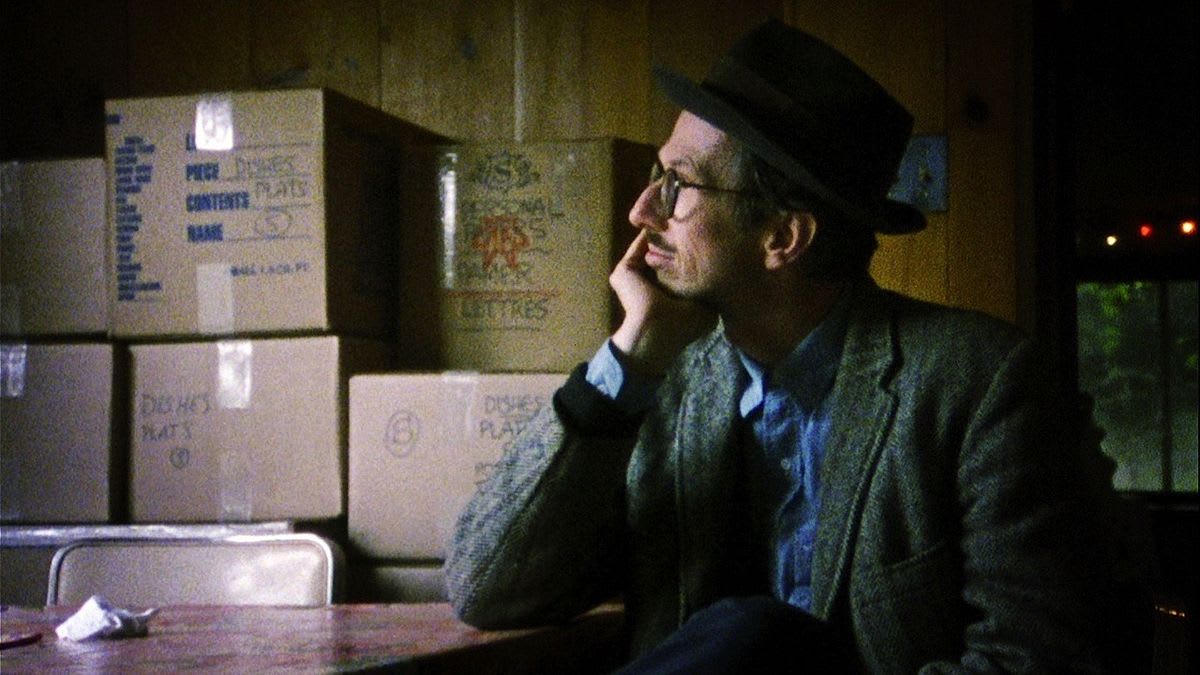
Last night I had the pleasure of seeing a gorgeous print of Crumb (1994) at Film Forum with Terry Zwigoff in person. I probably hadn’t seen Crumb in 15 or 20 years. It’s just as funny and shocking and sad as I remembered, but last night I realized for the first time how beautifully filmed it is. (The DP, Maryse Alberti, was also in attendance! I wish she’d been part of the Q&A.) Fun fact: Crumb still holds the record for the longest-running premiere in the history of Film Forum. It played for 7 months!
As an artist portrait, I have to say: it doesn’t get much better than Crumb.
Crumb — now 32 years old — also functions as an exquisite historical artifact: How did people live and work and talk back then? What were they arguing about? What were they wearing?
It’s one of the basic pleasures of nonfiction: its time capsule nature, which only ever becomes obvious when enough time has passed.
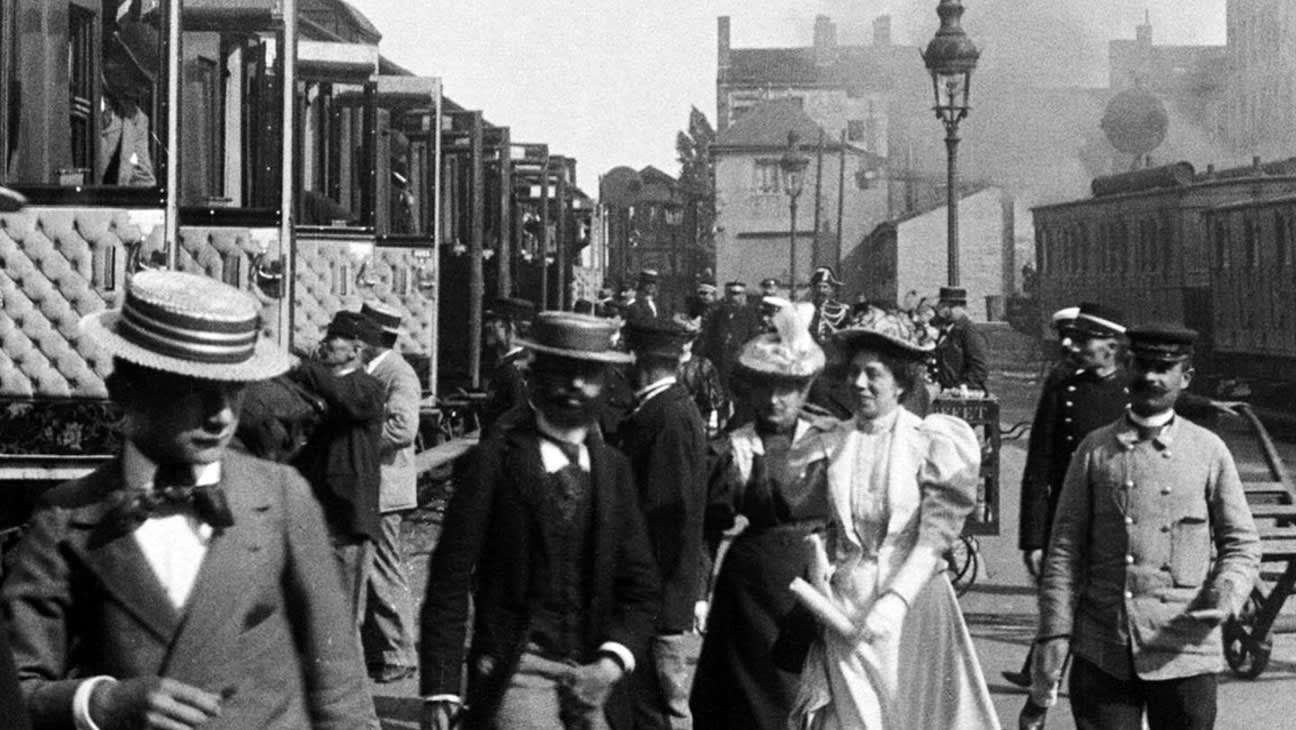
How will any of our films be experienced and understood by the viewers of the future? What will documentary even be, in the future?
What will we mean by documentary? What associations will that word have with format, working practices, ethics and aesthetics, the experiences and expectations of artists and viewers of documentary? Along what time horizon are we talking here — 2 years, 10 years, 100 years, more?
I hardly dare to make predictions, because I’m certain to be wrong. We are generally wrong about how the trends of today play out in the future.1 But I certainly do have questions.
One line of questioning has to do with how documentary exists in the era of reality TV (and there’s so more to say about that). But there’s another pretty obvious and important force in the world of images these days…